
Last Updated : Jan 13, 2026 | Author : Tanya Parsad | View Count : 1527 | Read Time : 9 min
Golden Triangle Packages: How Can You Enhance India's Classic Circuit with these Extensions?
India’s most famous tourist circuit, the Golden Triangle is the perfect introduction to North Indian culture & history. The cities Delhi, Agra & Jaipur are close enough to each other that you can explore them comfortably in about a week. But here's what I've learned after multiple trips: the basic Golden Triangle is just the beginning. The real magic happens when you extend beyond those three cities to include experiences that add variety and those unforgettable moments that turn a good trip into an incredible one.
The best itineraries now include extensions to places like Ranthambore for wildlife, Varanasi for spirituality, and explorations of Rajasthan's other royal cities. Let me walk you through the most valuable extensions and why they're worth including in your golden triangle tour India experience.
What's the best way to enhance Golden Triangle packages beyond Delhi, Agra, and Jaipur?
The most valuable extensions include Ranthambore for Bengal tiger safaris (adding 3 days), Varanasi for spiritual experiences like the Ganga Aarti and sunrise boat rides (2-3 days), and deeper Rajasthan exploration to Udaipur, Jodhpur, and Jaisalmer for lakes, blue cities, and desert adventures. These additions transform the basic 5-7 day circuit into a comprehensive 10-18 day journey covering North India's wildlife, spirituality, and royal heritage
Table of Contents
- Why Does Adding Ranthambore Turn Your Golden Triangle into a Wildlife Odyssey?
- How Does Varanasi's Spirituality Complete Your North India Journey?
- Which Rajasthani Cities (Udaipur, Jodhpur, Jaisalmer) Belong in Your Grand Tour?
- Why Is Sleeping in Royal Suites the Ultimate Golden Triangle Indulgence?
- Why Does This UNESCO Site Deserve a Place in Your Cultural Itinerary?
- How to Plan Your Golden Triangle Packages?
- FAQ
Why Does Adding Ranthambore Turn Your Golden Triangle into a Wildlife Odyssey?
Ranthambore National Park sits perfectly between Jaipur and Agra, making it an easy and logical addition to any Golden Triangle itinerary. The park is about three to four hours from Jaipur by private car, which means you can visit without significant backtracking or wasted travel time.
What Ranthambore offers is a completely different dimension to your India experience. After days of exploring forts, palaces, and cities, suddenly you're in the wilderness tracking Bengal tigers. The contrast is dramatic and makes your trip more well-rounded.
Ranthambore has one of India's highest densities of tigers, which means your chances of seeing them are genuinely good. Not guaranteed (this is wildlife, after all), but good enough that most visitors who do multiple safaris see tigers. Beyond tigers, you'll spot leopards, sloth bears, various deer species, crocodiles, and hundreds of bird species.
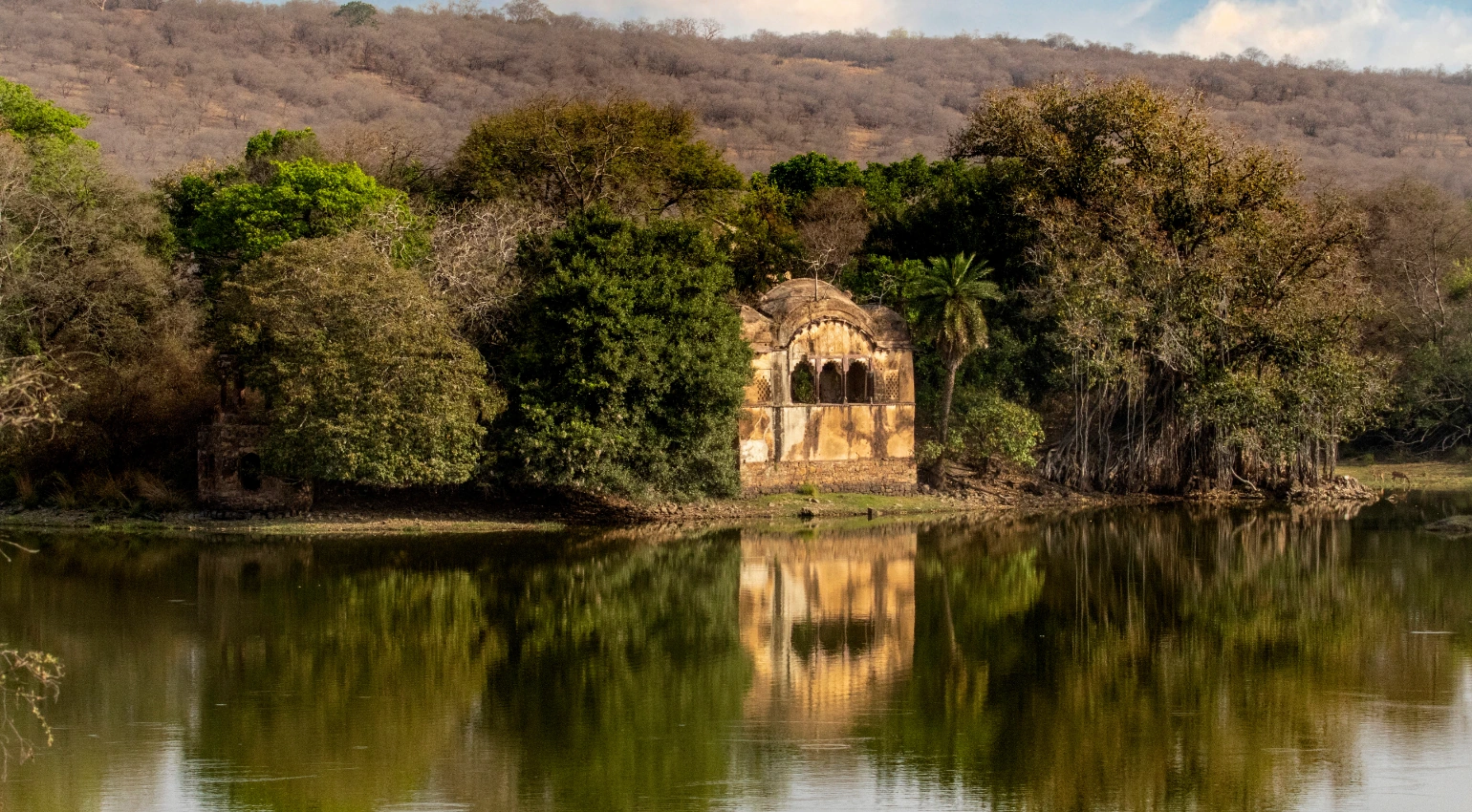
What makes Ranthambore special is the setting. The park sits around a 10th-century fort, so you're spotting tigers with ancient ruins in the background. Lakes reflect fort walls and temple structures. The landscape combines wildlife with historical architecture in ways you won't find in typical national parks.
Safari experiences happen in open vehicles called canters (larger vehicles) and gypsies (smaller jeeps). The gypsies are better because they're more maneuverable and carry fewer people. Morning and evening safaris give the best chances for sightings since that's when animals are most active. A typical Ranthambore addition involves two nights at the park with three or four safaris.
The luxury accommodations near Ranthambore are excellent. The Oberoi Vanyavilas offers tented luxury with serious comfort. These properties arrange all safari bookings, provide naturalists who understand animal behavior, and offer comfort after long days in the park.
Including Ranthambore in your golden triangle packages typically adds three days to your itinerary. The route works well either between Jaipur and Agra, or as an addition after completing the main triangle. Most travelers find the wildlife experience worth the extra time and creates memories as strong as seeing the Taj Mahal.
The best time for Ranthambore is October through March, which coincides with the best time for the Golden Triangle. Summer months (April through June) offer better tiger sightings because vegetation is sparse, but the heat is intense.
How Does Varanasi's Spirituality Complete Your North India Journey?
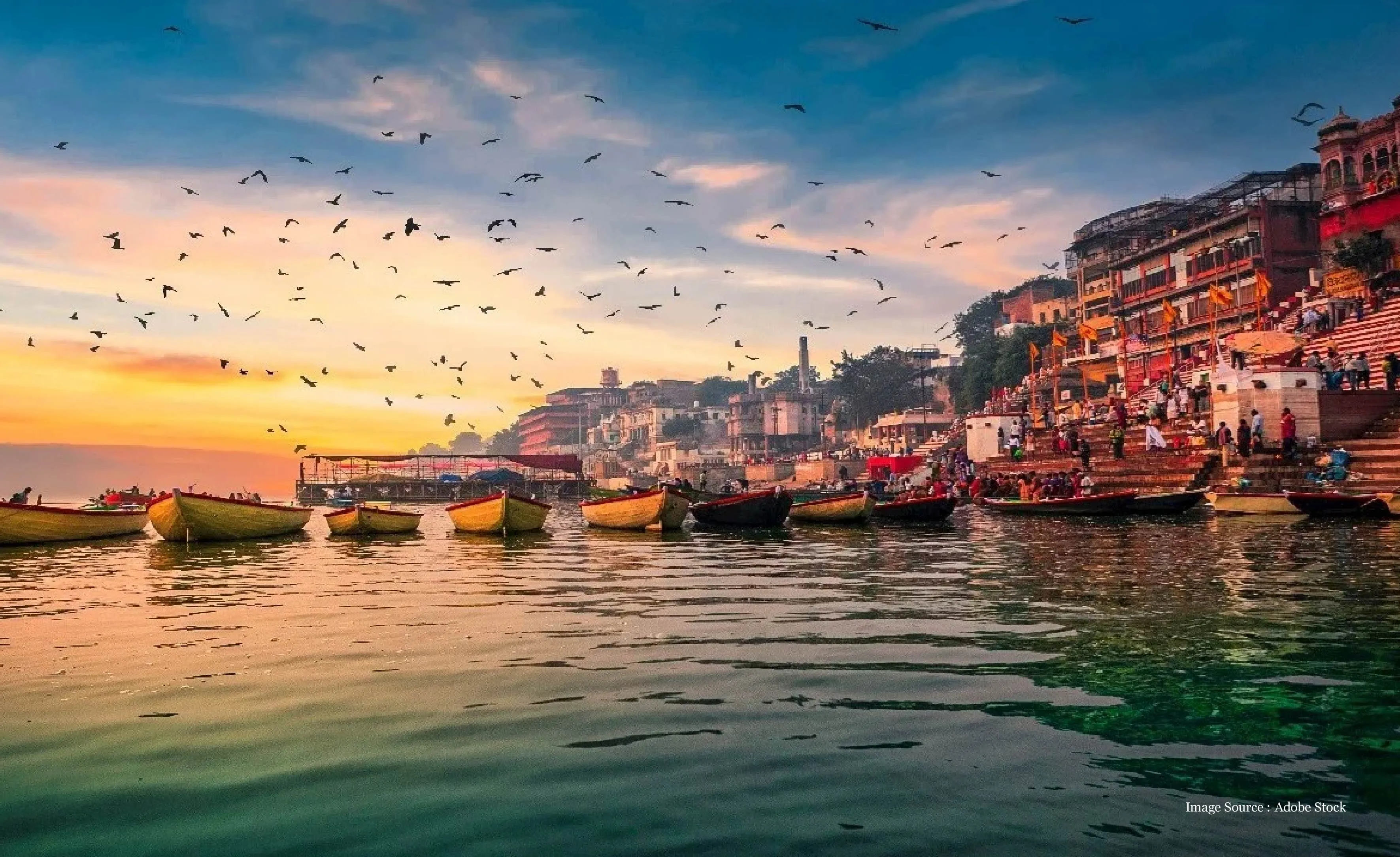
Varanasi represents a dimension of India that the Golden Triangle doesn't cover. Delhi, Agra, and Jaipur show you Mughal and Rajput heritage, royal architecture, and historical grandeur. Varanasi shows you India's spiritual soul in ways that are profound and sometimes confronting.
This is one of the world's oldest living cities, sacred to Hindus, Buddhists, and Jains. For Hindus, dying in Varanasi and being cremated on the ghats (riverside steps) is believed to break the cycle of rebirth. The city draws pilgrims from across India who come to bathe in the Ganges and experience the spiritual energy that's been building here for thousands of years.
A Varanasi trip typically involves flying from Delhi or Jaipur since the drive would be exhausting (10-12 hours). The flight takes just over an hour from either city, making it easy to include without spending days in transit.
What you experience in Varanasi is unlike anything in the Golden Triangle cities. The evening Ganga Aarti at Dashashwamedh Ghat, where priests perform synchronized rituals with fire lamps and bells, is one of India's most spectacular ceremonies. Thousands gather to watch as devotion and theater merge into something genuinely moving.
Sunrise boat rides on the Ganges show you the city waking up. Thousands of people bathing in the river, doing yoga on the steps, priests performing morning rituals. The ghats stretch along the river, each with its own character. Walking them at sunrise lets you see daily spiritual practices that have continued unchanged for centuries.
Varanasi also connects to Buddhism through nearby town Sarnath, where Buddha gave his first sermon after attaining enlightenment. The ruins, museums, and temples at Sarnath provide a peaceful counterpoint to Varanasi's intensity and show another layer of India's spiritual traditions.
For accommodation, Taj Nadesar Palace offers peaceful luxury on the city's outskirts, giving you a sanctuary after the intensity of the ghats. The boutique property has just ten suites and feels exclusive and calm.
Adding Varanasi to golden triangle packages typically requires two to three nights. That gives you time for the evening aarti, sunrise boat rides, exploring the old city and ghats, and visiting Sarnath. The spiritual dimension Varanasi adds complements the historical and cultural experiences of the main triangle.
TL;DR: Varanasi completes your North India journey by revealing India's spiritual soul through ancient Ganga rituals, sunrise boat rides, and Buddhist connections at Sarnath.
Which Rajasthani Cities (Udaipur, Jodhpur, Jaisalmer) Belong in Your Grand Tour?
The basic Golden Triangle includes Jaipur but stops there. Going deeper into Rajasthan to include Udaipur, Jodhpur, and Jaisalmer extends your trip significantly but shows you aspects of Rajasthani culture and landscape that Jaipur alone can't capture.
Each city offers something distinct. Jodhpur has the dramatic blue city and imposing Mehrangarh Fort that towers 400 feet above the surrounding plains. The fort museum is outstanding, and the old city below with its narrow blue-painted streets creates an incredible atmosphere. Jodhpur is about five to six hours from Jaipur by private car.
Udaipur brings romance and lakes to your Rajasthan experience. After the desert landscapes of other cities, Udaipur's Lake Pichola and surrounding Aravalli hills feel softer and more intimate. The City Palace complex is magnificent, and staying at properties like Taj Lake Palace (floating in the middle of the lake) or The Oberoi Udaivilas creates luxury experiences you can't get anywhere else. From Jodhpur to Udaipur is another six hours by car.
Jaisalmer takes you to the edge of the Thar Desert. The golden sandstone fort is still inhabited, making it unique among Rajasthan's forts. The desert safaris to Sam Sand Dunes, the camel rides, the traditional music and dance performances under the stars, all this adds the desert dimension that completes the Rajasthan picture. Jaisalmer is about eight to nine hours from Udaipur.
The drives between these cities are around 5 hours long but manageable with a private chauffeur-driven car. The highways are generally good, and breaking the journey with stops at villages or temples makes the travel part of the experience.
Not everyone has time for the full extended route. If you need to choose, I'd recommend adding Udaipur first. It's the most distinct from the other Golden Triangle cities and offers incredible accommodation options. Jodhpur comes second for the impressive fort and blue city atmosphere. Jaisalmer third for the desert experience.
Why Is Sleeping in Royal Suites the Ultimate Golden Triangle Indulgence?
One aspect that sets apart any Indian tour is the luxurious accommodation. North India specifically has some of India's most extraordinary heritage hotels– actual palaces and forts converted into luxury properties where you can sleep in rooms that once housed kings & queens!
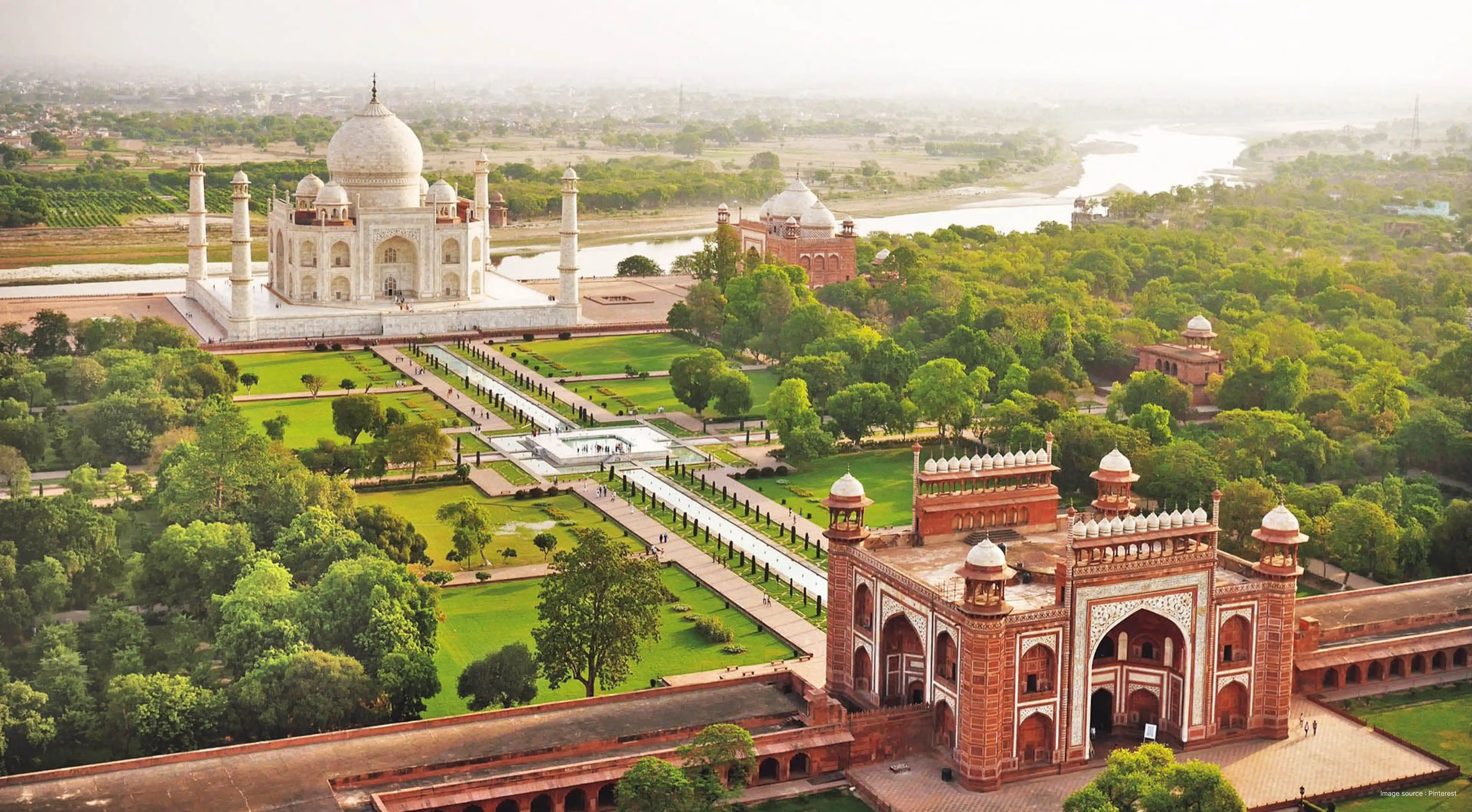
In Delhi, India’s capital city, The Imperial is my top choice. Built in 1931, the property has well-maintained the period character with an incredible art collection & service. Agra's most extravagant stay is The Oberoi Amarvilas, where every single room has unobstructed Taj Mahal views! Nothing beats waking up to see the world’s wonder from your bed. I enjoyed a delish breakfast on the balcony while looking at it– the stay makes Taj Mahal not just a site on your itinerary but something you experience throughout.
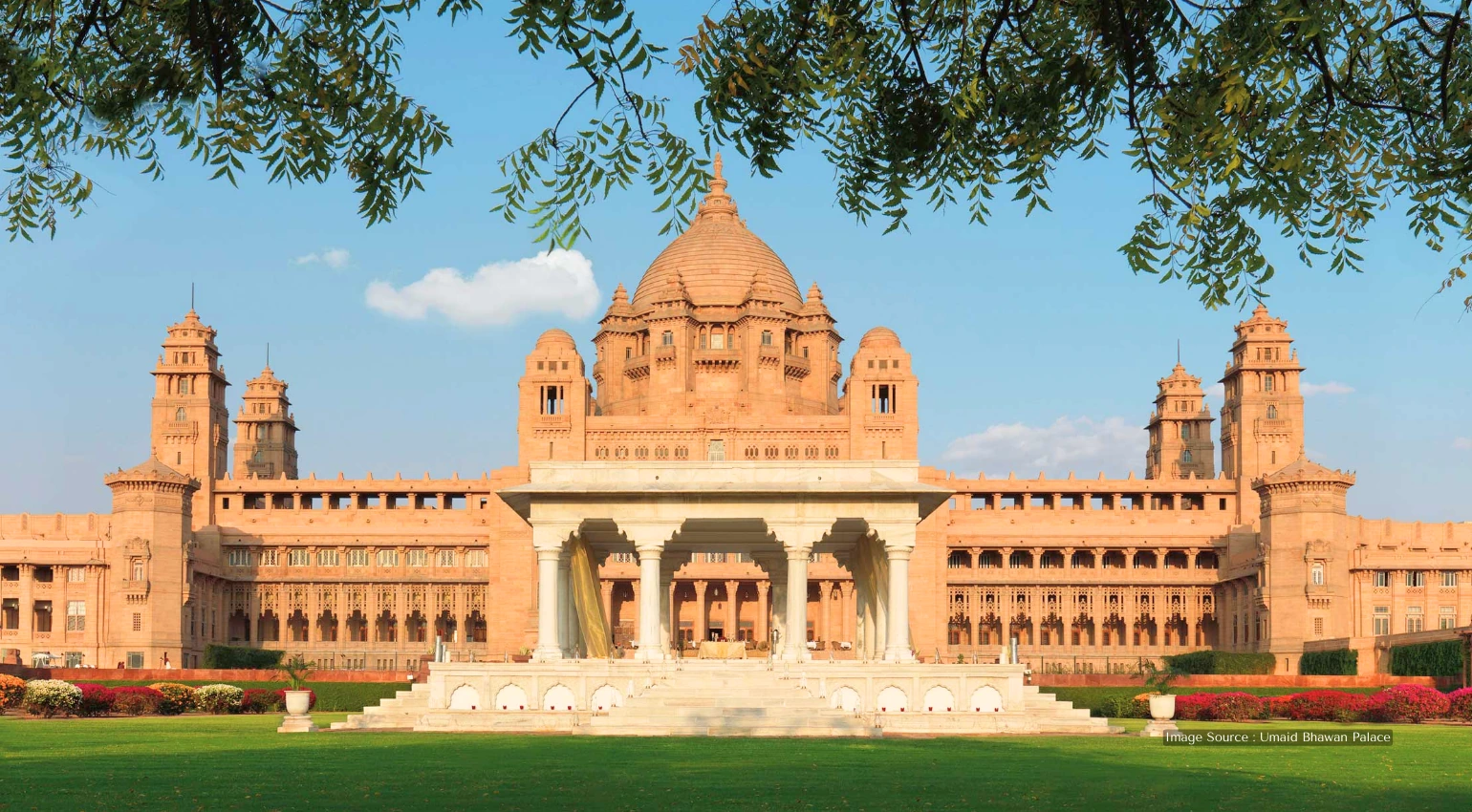
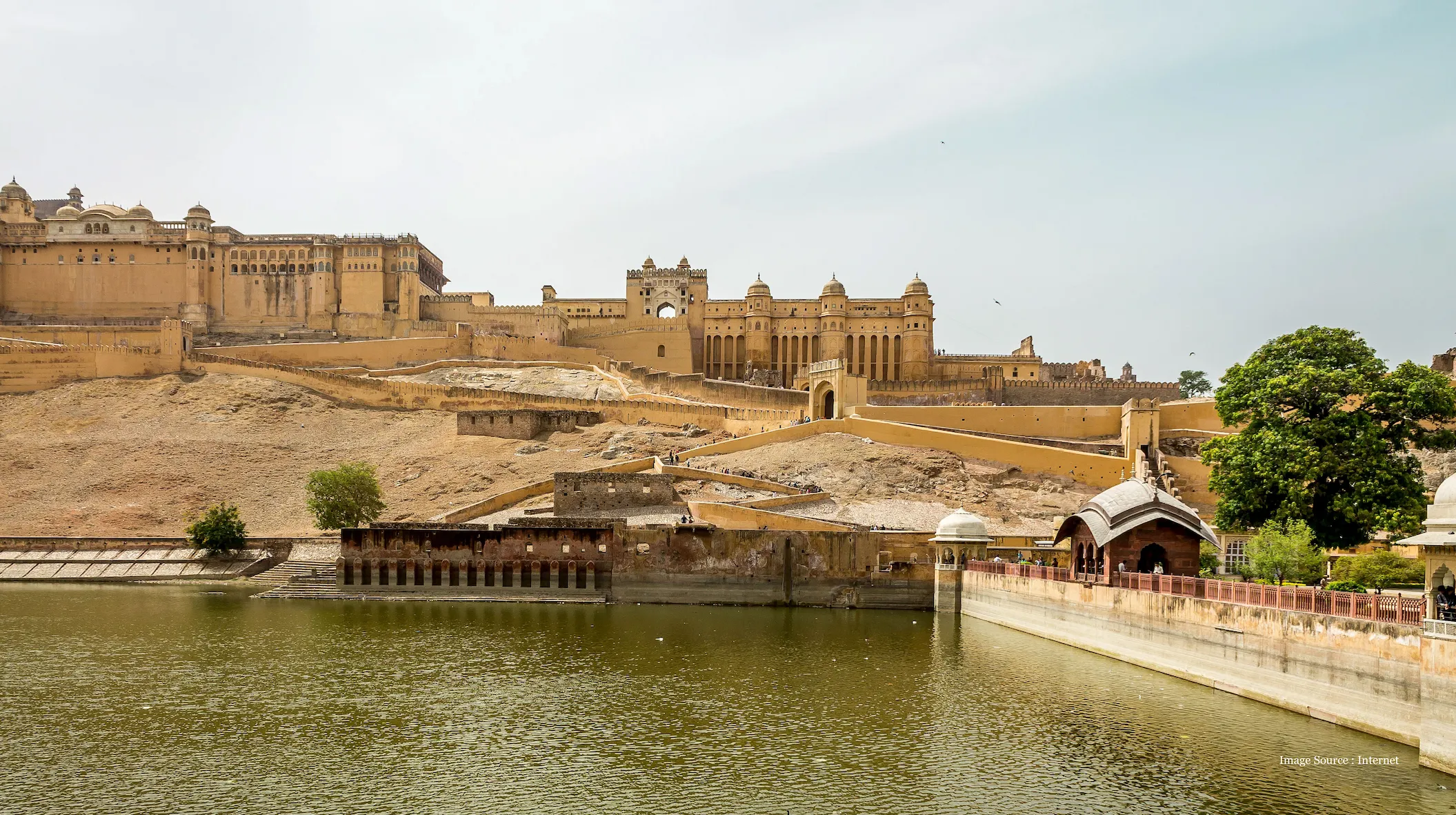
The royal Pink City gives you an accommodation that becomes part of the cultural experience. The Taj Rambagh Palace was the actual residence of the King of Jaipur until 1957. Spread across 47 acres, the hotel has impeccably maintained its royal charm with artwork, period furniture, and manicured gardens where peacocks roam. And if you extend your trip to Jodhpur with a 5-hour drive from Jaipur, the Taj Umaid Bhawan Palace awaits with something truly unique. A part of the hotel is still home to the descendant royal family of the Blue City– you're literally staying where royalty currently resides!
Another four hours or so from Jodhpur brings you to the City of Lakes, Udaipur. The Oberoi Udaivilas here might be the most beautiful hotel property in India. Built with traditional Rajasthani architecture, each room here has serene views of Lake Pichola and the property's domes and courtyards make up an incredible atmosphere. Another favorite here is the Taj Lake Palace, floating in the middle of Lake Pichola and accessible only by boat! It offers a different level of exclusivity.
TL;DR: With a Royal Palaces tour of India, you can experience the life of royals as one yourself by staying at actual palace-turned hotels across Rajasthan & India.
Why Does This UNESCO Site Deserve a Place in Your Cultural Itinerary?
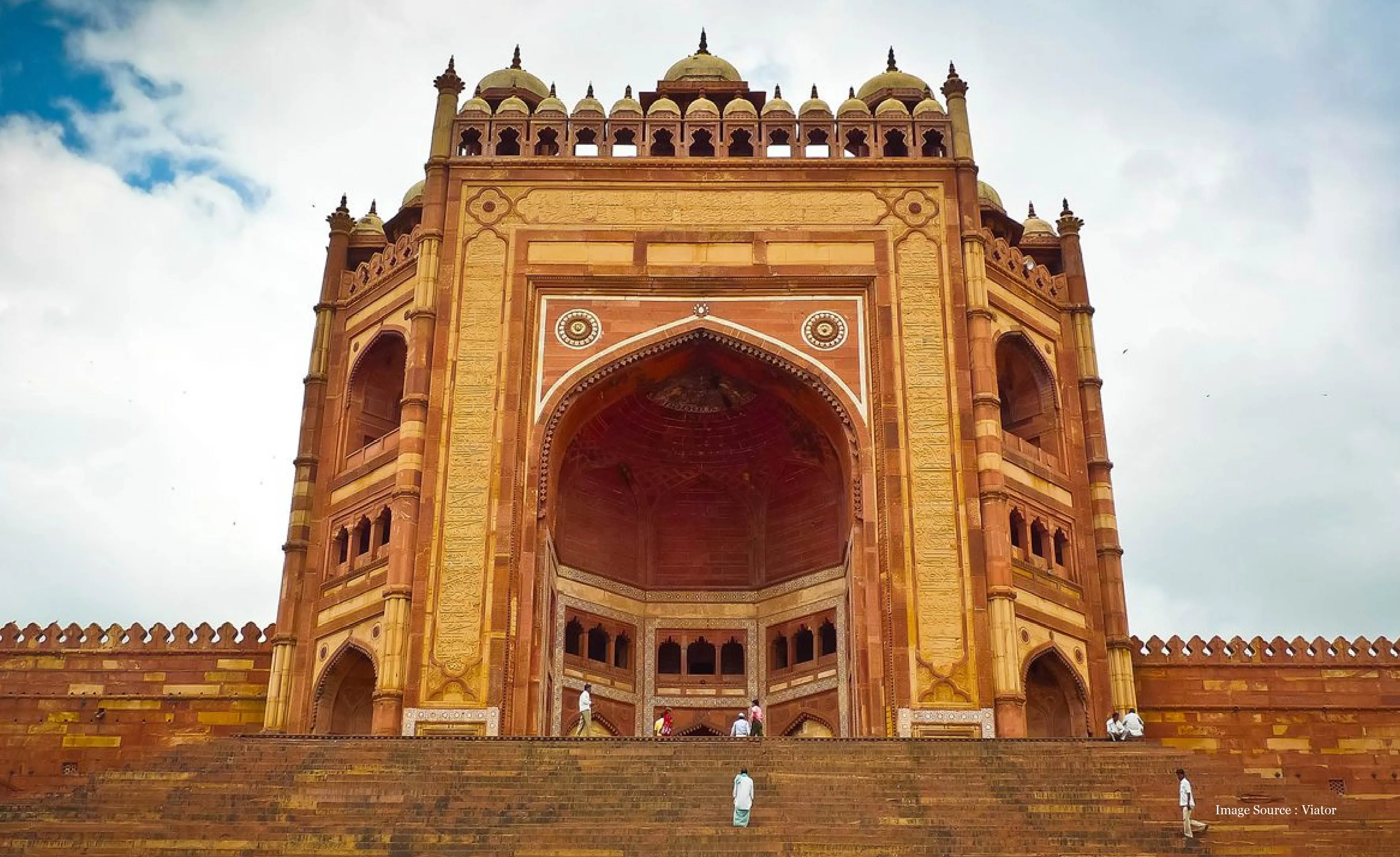
Fatehpur Sikri sits about 40 minutes from Agra and represents one of the best-preserved Mughal cities in India. This UNESCO World Heritage Site is often included in golden triangle packages but frequently gets rushed or skipped when travelers are tight on time. That's a mistake because Fatehpur Sikri adds context that makes everything else you're seeing more meaningful.
Emperor Akbar built this entire city in the 1570s and ruled the Mughal Empire from here for about 14 years before abandoning it due to water scarcity. The preservation is remarkable because the city was never destroyed or significantly modified. You're seeing a complete Mughal city basically frozen at the moment it was abandoned.
The Jodha Bai Palace, built for Akbar's Hindu wife, blends Hindu and Islamic architectural elements, showing the cultural synthesis that characterized Akbar's reign. This detail matters because it reveals how the Mughals weren't just conquerors but rulers who synthesized different traditions.
The site requires about two to three hours to explore properly. A knowledgeable guide really helps because the significance of many buildings isn't obvious without explanation. Most golden triangle packages include Fatehpur Sikri as part of the Agra day, either before or after visiting the Taj Mahal and Agra Fort. Some itineraries visit it when driving from Agra to Jaipur, breaking up the journey with substantial cultural content.
The UNESCO designation recognizes Fatehpur Sikri's exceptional universal value. Including it in your cultural itinerary shows respect for that significance and gives you understanding that enriches everything else you experience.
How to Plan Your Golden Triangle Packages?
The beauty of golden triangle packages is their flexibility. The core Delhi-Agra-Jaipur circuit works well in five to seven days. Add Ranthambore and you need eight to ten days. Include Varanasi and you're looking at nine to twelve days. Extend into Rajasthan with Jodhpur, Udaipur, and Jaisalmer and you need 15-18 days for the full experience.
The best time for these itineraries is October through March when weather is pleasant across North India and Rajasthan. April through June gets very hot, especially in desert areas. Monsoon season (July through September) brings rain and humidity.
Transportation between cities typically involves private chauffeur-driven cars for shorter routes (Delhi to Agra, Agra to Jaipur, between Rajasthan cities) and domestic flights for longer distances (to Varanasi, sometimes to Udaipur or Jaisalmer to save time). Having a private car throughout provides flexibility and comfort.
Working with a luxury travel agency to plan golden triangle packages brings value beyond just booking hotels and cars. They create bespoke itineraries that flow logically, secure hard-to-get permits (safari bookings, special access), arrange excellent guides at each destination, and provide 24/7 support when plans need adjusting.
The Golden Triangle remains India's classic circuit because it works. But the extensions and enhancements available transform it from a standard historical tour into a comprehensive journey through North India's many dimensions.
FAQs
1. How long do I need for a complete Golden Triangle with extensions?
The basic Golden Triangle takes five to seven days. Add Ranthambore for wildlife and you need eight to ten days. Include Varanasi for spirituality and plan for nine to twelve days. The full Rajasthan extension with Jodhpur, Udaipur, and Jaisalmer requires 15-18 days. Choose extensions based on your available time and interests.
2. Can I customize golden triangle packages?
Absolutely. The best packages are flexible and customizable. You choose which extensions to include, how long to spend in each destination, which hotels to stay at, and what experiences matter most to you. A good travel agency creates bespoke itineraries rather than forcing everyone into the same standard tour.
3. Is it better to fly or drive between Golden Triangle cities?
Drive between Delhi, Agra, and Jaipur. The distances are manageable (three to five hours) and you see countryside along the way. Fly to Varanasi since driving would take 10-12 hours. For extended Rajasthan tours, drive between cities but consider flying if time is very limited.
4. What's the best way to book accommodations at palace hotels?
Book as far in advance as possible, especially for peak season. Properties like Oberoi Amarvilas, Taj Lake Palace, and Oberoi Udaivilas fill up months ahead. Working with a travel agency often gets you better room categories and rates than booking directly.
plan your bespoke india journey today
tell us what inspires you - and we will handcraft an experience that mirrors your elegance, pace & personality.
START PLANNINGBlogs Categories
It is a Sanskrit verse taken from an ancient Bharat (Indian) scripture
which means ‘The Guest is like God’.
In Bharat (India), guests are always welcomed with open arms and given
Wander India
Your go-to guide for exploring the best of India.
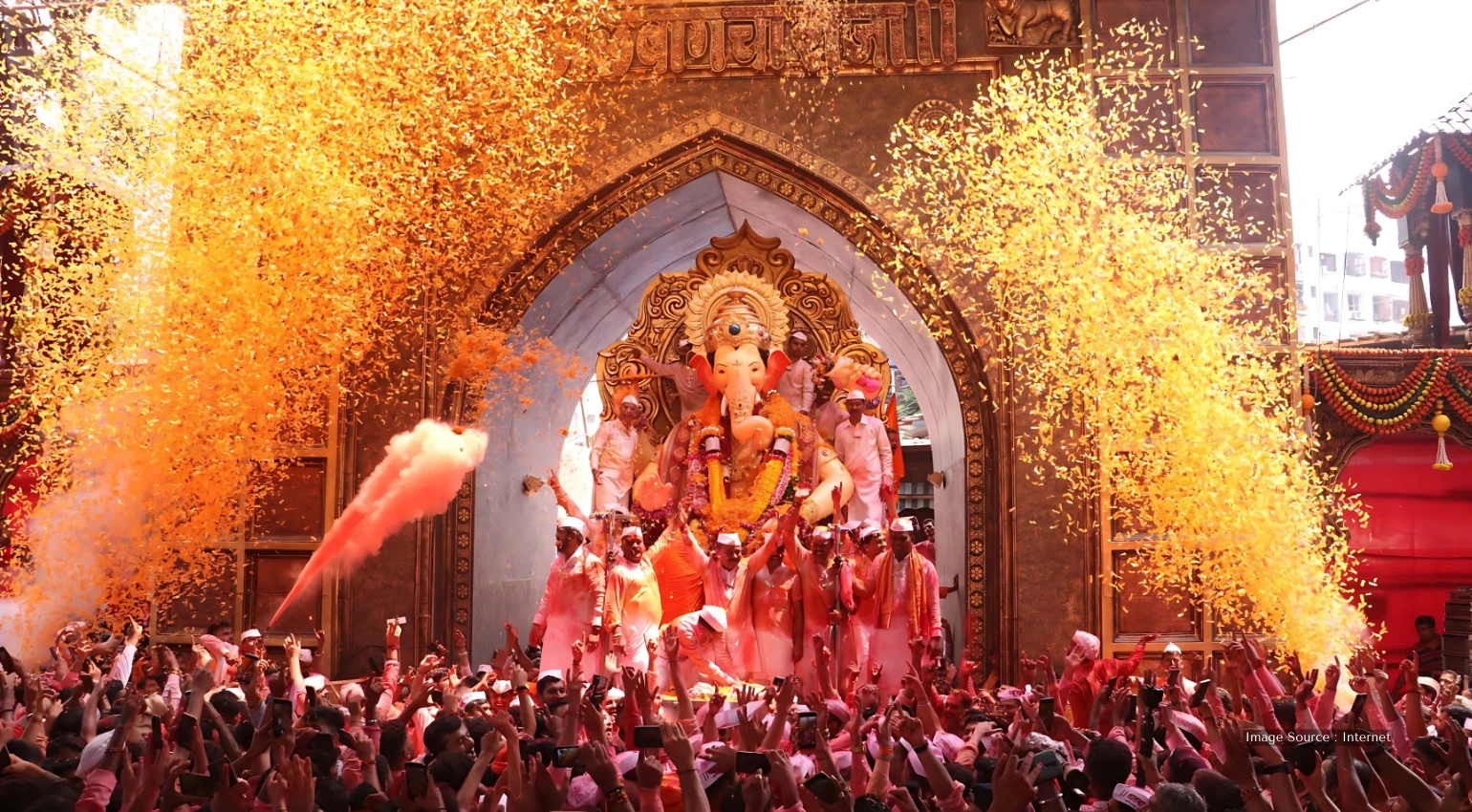
Festive Flavours
Festive Flavours
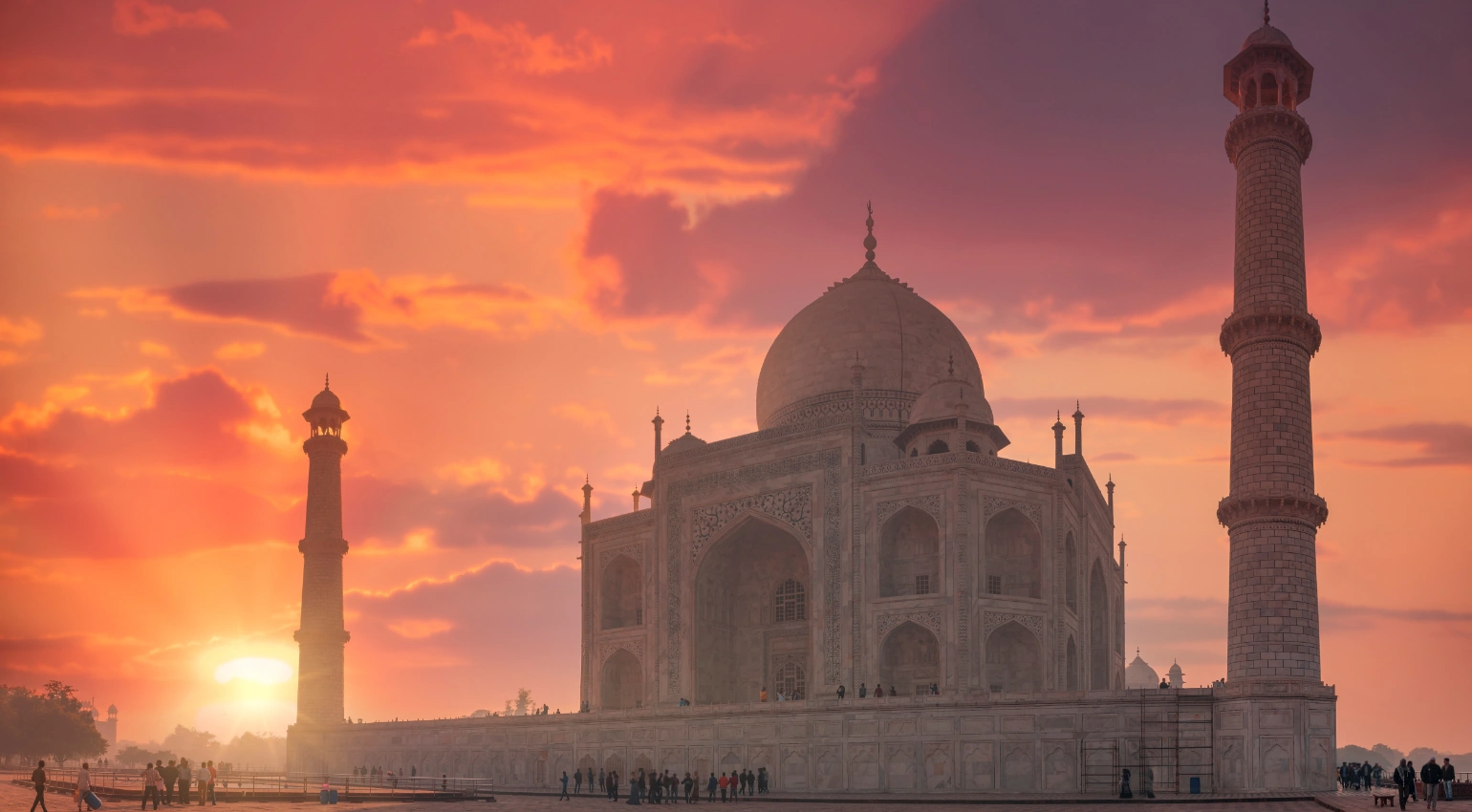
Heritage Hues
An enticing showcase of India’s glorious 5,000 year old history & heritage.
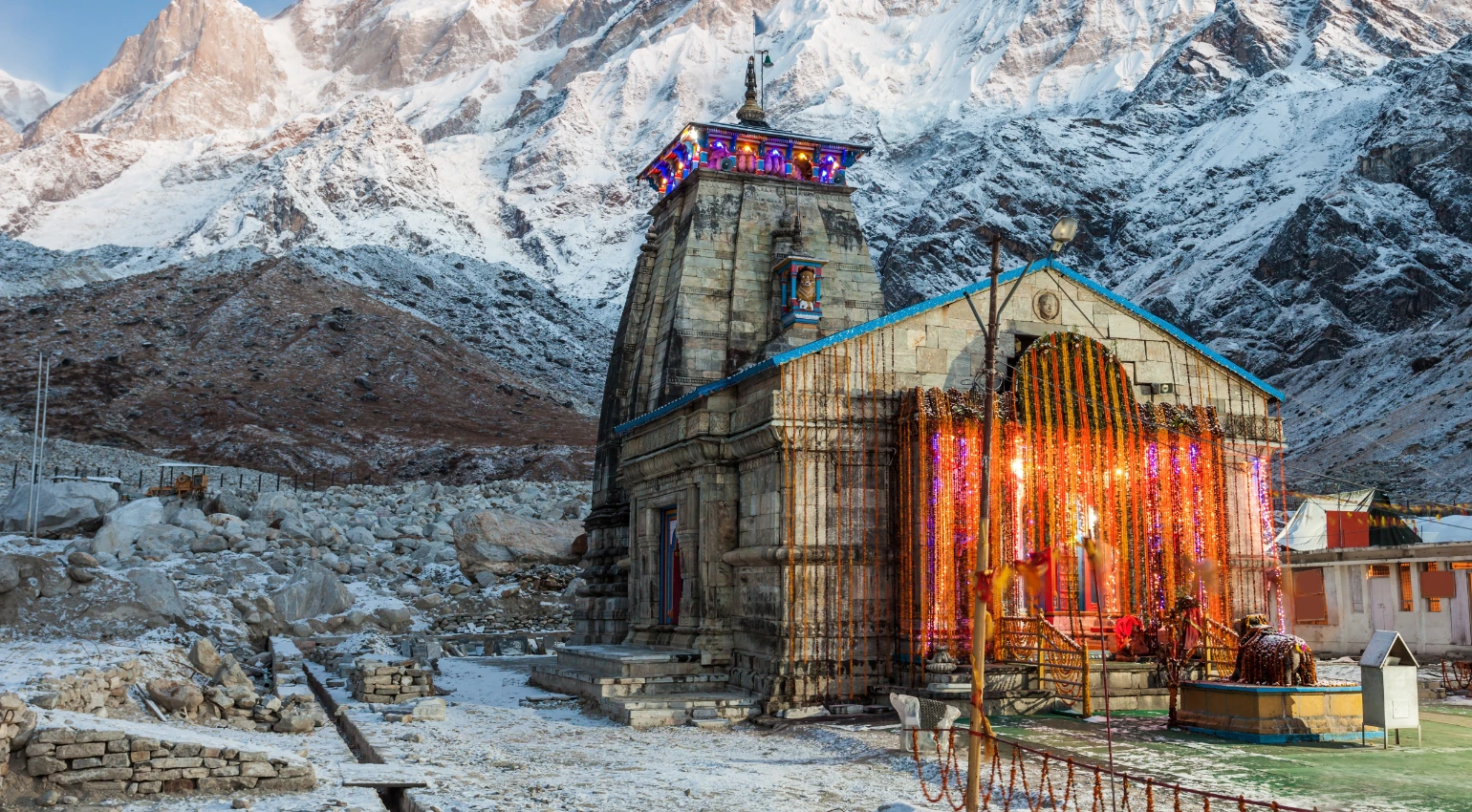
Sacred Journey
Discover what gives India the mystics that the world adores
Travel Tales
Make the simplest of journeys unforgettable with hidden gems & extravagant stays.
You Will Like These Too...
It is a Sanskrit verse taken from an ancient Bharat (Indian) scripture
which means ‘The Guest is like God’.
In Bharat (India), guests are always welcomed with open arms and given

 ×
×
TRAVELOSEI PROMISE
What To Expect?

The Real India,
Re-Imagined For You
India is not just a destination - it's a world with-in the world. TRAVELOSEI go far beyond guide-books to offer you an India that is authentic yet exclusive, spiritual yet sophisticated delivered through private doors, rare access, and impeccable attention to details.

Trusted By Global Elites
From World Class Leaders to Forbes Listed Families and international Royalties to
visionary CEOS.
Our clientele chooses us for one reason - We Know India. Over two decades of providing
experiences which aren't just luxurious - they are intimate, curated & wildly rare.

Bespoke Travel Experience
For those who seek truth in detail, art in hospitality, and identity in experience. Our Luxury Travel Architect work discreetly and personally with you to craft travel experiences that go beyond 5 Stars, where every detail whispers luxury - and legacy.

White-Glove Concierge
24 X 7 Dedicated Concierge Support even in the wildest corners of India. At TRAVELOSEI, our concierge team ensures that everything-from airport- tarmac pick-ups, last minute reservations and private spiritual sessions - is handled before you even ask.


