
Last Updated : Jun 09, 2026 | Author : Tia | View Count : 3286 | Read Time : 8 min
India Itinerary Ideas for Every Type of Traveler
The tricoloured heartland has something to offer anyone who sets foot in it; this may sound like a cliché until you start mapping out the options and notice how diverse the country truly is. You can spend two weeks of your time in the deserts of Rajasthan or go trekking in the Himalayas. The country is so varied that two people can jot down two different itineraries and still leave with shared experiences, remembering a trip of a lifetime. This guide will break down everything you need to understand before you approach traveling in India. It’ll break down what’ll suit your travel style, needs, and niche, helping you figure out which version of India is right for you before you even book anything.
What is the best India itinerary for American travelers?
That depends more on your travel style than on any single best route. The right India itinerary looks different for someone chasing temples and backwaters than for someone eyeing Himalayan treks or Rajasthan palaces. What most travelers agree on is that India rewards those who plan thoughtfully, build in buffer time, and resist the urge to cram too many destinations into one trip.
The Classic Golden Triangle for First-Time Visitors
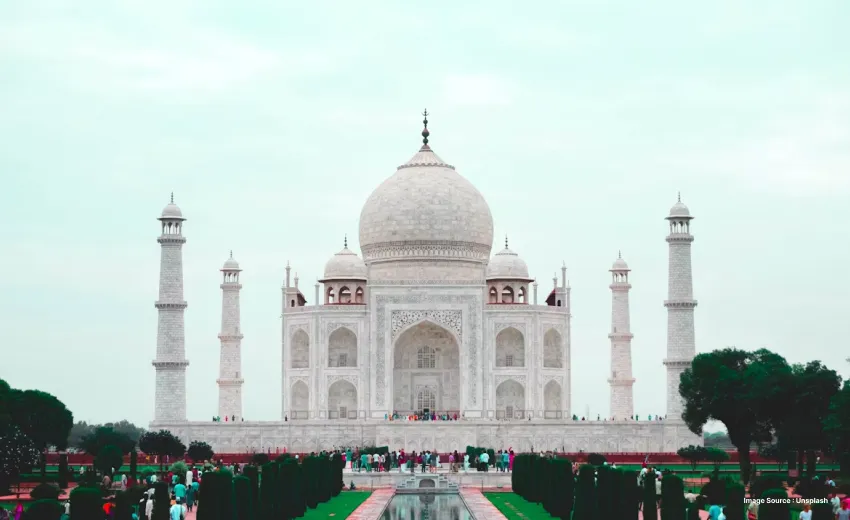
If it’s your first time visiting India and you don’t know where to start, then look no further than the Golden Triangle. This is the most well-known and supported route; this is for good reason, as it covers everything ranging from Delhi, Agra, and Jaipur. The reason why this route is called the Golden Triangle is that it maps out a triangle on the map. It gives you the perfect dose and curation of the country’s most iconic history, architecture, and food.
Delhi works as the ideal entry and exit point, as this is where most of the international flights depart from. Delhi takes about 2-3 good days. The Red Fort, Qutub Minar, Humayun’s Tomb, and the old Delhi markets are worth a solid half day. Agra is about 3 hours by train from Delhi; the highlight of Agra is the Taj Mahal, which is most likely what put India on your map in the first place. It is a monument that lives up to all the flowers it has received. Agra Fort is also worth a visit the same day. When you move on to Jaipur, which is the most colourful of the 3 cities with the Amber Fort, City Palace and Hawa Mahal all clustered enough to cover in two good days.
The whole Golden Triangle circuit can be done in 7 days comfortably, making it a solid India itinerary option for American travelers who have limited vacation time but still want to get out and about. The best way to travel between these cities is by train, with travel being quite efficient and the tourist infrastructure being best in these areas for first-timers.
The whole Golden Triangle circuit can be done in about seven days comfortably, which makes it a solid India itinerary option for American travelers working with limited vacation time. Train travel between the three cities is efficient, and the tourist infrastructure is the best in the country for first-timers.
Your Next Read: The Golden Triangle Tour of India
TL;DR: The Golden Triangle covering Delhi, Agra, and Jaipur is the most efficient first-time India itinerary.
South India Itinerary for Culture and Temple Lovers
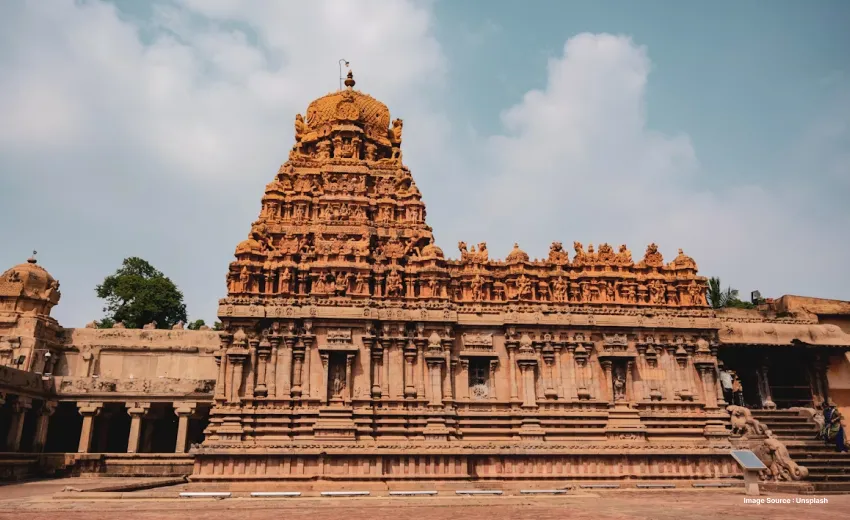
South India operates differently to that of the North; it is so distinct it is almost 2 different countries. People are drawn towards the ancient temple architecture, more cultural backing through music and dance, with a taste for the classical beauty and an inclination to the slower pace of life. It deserves its own dedicated trip rather than being squeezed into a week-long India trip.
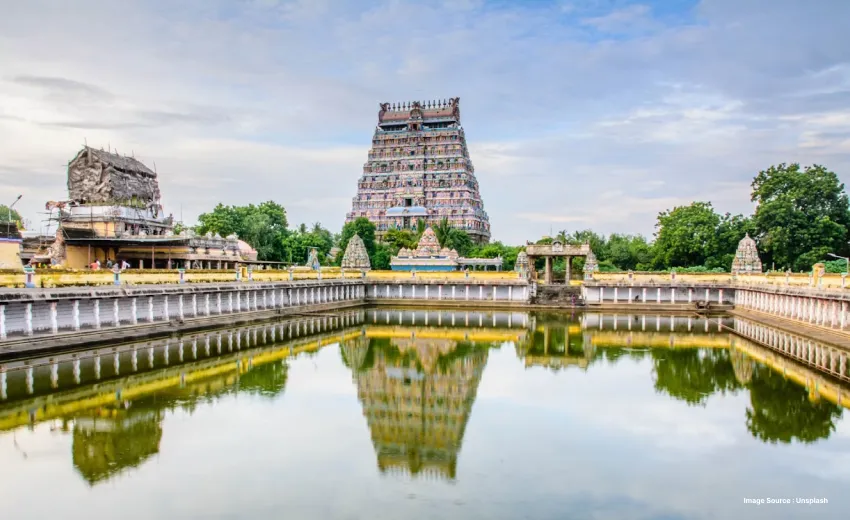
Let’s go through each of these states one by one, what they bring, how to reach them, and what they have to offer. Starting with Tamil Nadu, this is the heart of South Indian temple culture, with one of the most famous temples being Madurai Meenakshi Amman Temple, which is one of the most extraordinary religious sites in the country. It has towering Gopurums covered in thousands of painted sculptures. Thanjavur has the Brihadeeswar temple. This is a UNESCO World Heritage Site which dates back 1000 years. Chennai, just like Delhi, is also a good entry point; it has a strong sense of scenery and art, alongside each of the temples.
Moving on to Karnataka, this adds a layer of historical allure to this entire itinerary; it has Hampi, the ruined capital of the Vijayanagara empire, which is one of the most visually dramatic historic sites in all of India. It’s also home to Mysore, which is famous for the Mysuru Palace. It’s illuminated with lights every Sunday evening, and the city of Bangalore serves as a practical hub for flights in and out of the region. 2 weeks is a solid amount of time to travel to these locations.
Your Next Read: South India Tour Packages
Mumbai: Gateway to the West and India's Cultural Melting Pot
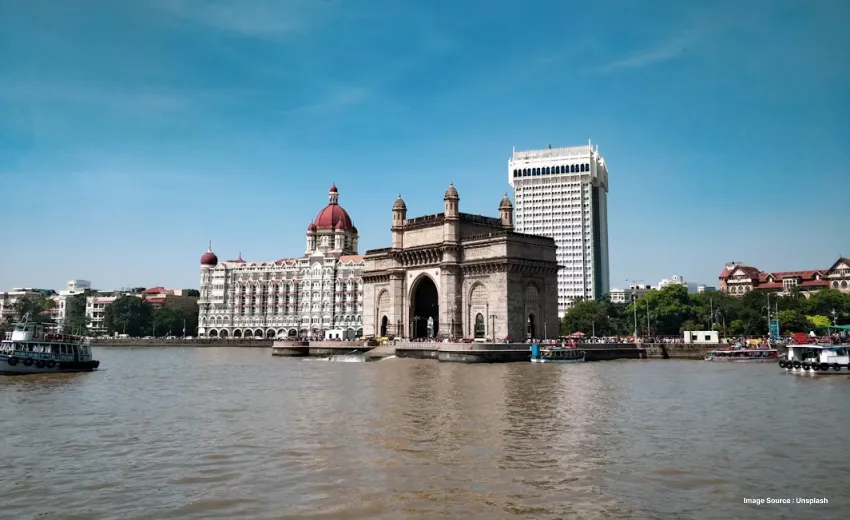
No itinerary that aims to cover the full range of experiences should overlook or skip Mumbai. This is India’s financial capital, its film industry hub, and one of the most energetic cities in the world. Film hub and one of the most energetic places in the world. This city works well as both a departure point and an entry point. It has an international airport connecting it to the rest of the country from the West of India. On the waterfront is the Gateway of India; this is the most iconic landmark; it’s worth making the visit to this location. Colaba Causeway nearby has great street shopping, and the Leopold Cafe has been an institution for travellers since the 1970s. The 1970s, street shopping and the Leopold Cafe have been an institution for travelers since the 1970s.
Dharavi is globally known for being one of the largest urban settlements in Asia; responsible local tour operators often community led walks are genuinely eye-opening and captivating. Walking through these areas is not enough; when you take a short ferry ride, you can enter the Gateway. It has rock-cut cave temples dedicated to lord Shiva, which date back to the fifth and sixth centuries. The Chhatrapati Shivaji Maharaj Terminus, the Victorian Gothic railway station at the heart of the city, is a UNESCO World Heritage Site and one of the most photographed train stations on Earth.
For those including Rajasthan in their India itinerary, Mumbai makes a natural starting or ending point since it connects well to Jaipur and Jodhpur by train or short domestic flight.
Kolkata: The City of Culture and Eastern India's Soul
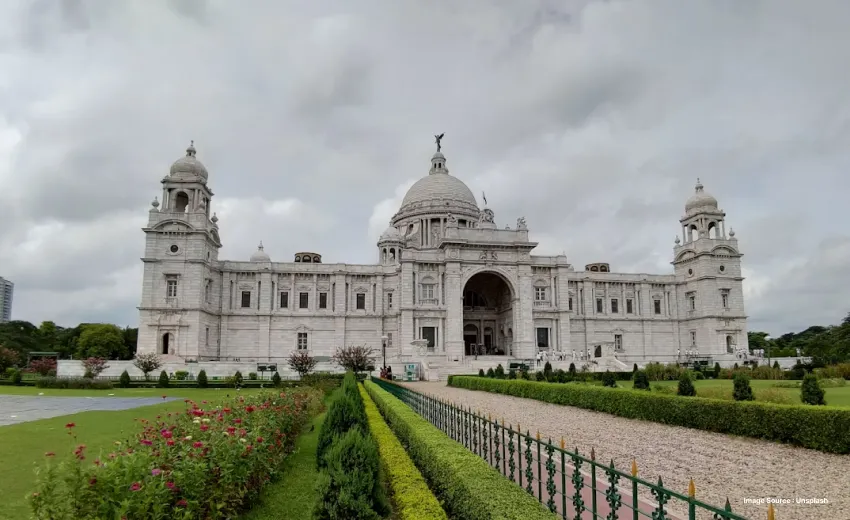
One of the most intellectually rich and culturally vibrant cities in India, it has consistently been underrepresented in the average American itinerary for India. This is honestly quite disappointing as it’s one of the most beautiful locations and should not be overlooked in this manner. It has a depth of experience which is different to that of anywhere else in this country. This was the former capital of India; it’s home to the Victoria Memorial, is bridged via the Howrah Bridge, and is one of the world’s busiest cantilever bridges; it is one of the city's most recognizable landmarks; it is best experienced on foot; the best sites can be seen during dawn when all the foot traffic has reduced.
The food culture in Kolkata is arguably the most sophisticated in India. The city is famous for its mishti doi (sweetened yogurt), rosogolla, and a Bengali fish curry tradition that is unlike anything you will find in other Indian cities. Kathi rolls, which originated in Kolkata, are a street food staple worth trying at multiple spots around the city. Which originated in Kolkata, it’s a street food staple worth trying at multiple spots around the city which originated in Kolkata.
Kolkata is also the natural base for trips into the Darjeeling hill station in West Bengal, which produces some of the world's finest tea and has a toy train that is a UNESCO World Heritage Site. Sikkim, the small northeastern state with Buddhist monasteries and Himalayan trekking, is also easily accessible from Kolkata. Three to five days in Kolkata and then extending your itinerary into the East builds good momentum and a soulful trip.
TL;DR: Kolkata is one of the most underrated stops on any India itinerary.
Himalayan North India for Adventure and Trekking Fans
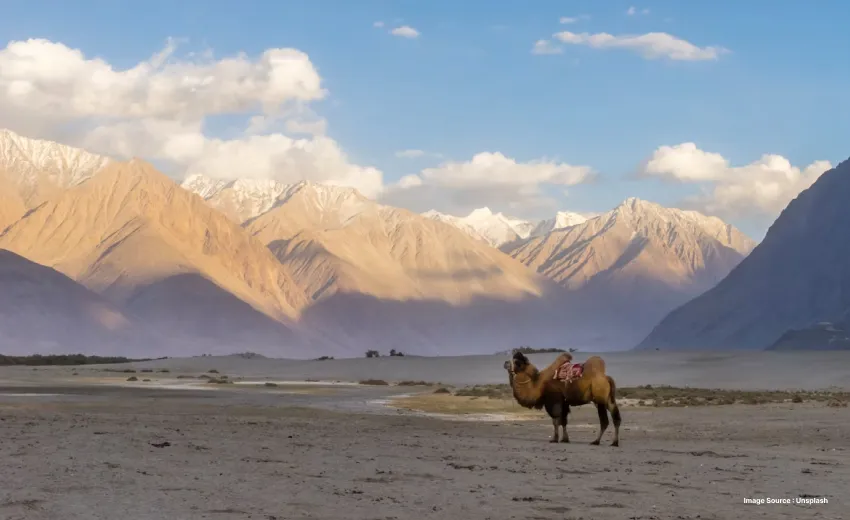
Travelers who are looking for more altitude and adrenaline in their hikes often need to look towards places and markets in the Himalayan belt. The Himalayan North itinerary covers everything ranging from the states of Himachal Pradesh, Uttarakhand, and Ladakh. It incorporates all sorts of mountain travel.
You want to start with Himachal Pradesh, as this is the most accessible. Here, Manali is the most popular base for trekking, and in the summer months you can drive to Manali to the Leh Highway; this is one of the most exhilarating journeys on the road.
When discussing Ladakh, you have to think of it as its own entity. It has monasteries perched on the ridged lines above turquoise rivers. Leh is the main town and serves as the base for treks and the river. Ladakh needs to be seen as its own category, with the landscape being a high-altitude desert, piled with Buddhist monasteries; Leh serves as the base for treks, and monastery visits across the region can be made through here. The Markha Valley Trek and the trek to Chadar on the frozen Zanskar River in winter are both well-regarded routes for experienced trekkers.
TL;DR: Ladakh is the standout Himalayan destination for an adventure focused India itinerary.
Kerala and Goa for Beach and Backwater Enthusiasts

If your ideal trip involves slow days by the water side, then Kerala and Goa have you covered; in the South of India, these two areas deliver two very distinct experiences. Most travelers tend to club the two spots into a single itinerary.
Kerala is surrounded by backwaters; it has a network of lagoons, lakes, canals, and rivers that run along the coast. Alleppey is the best base for a houseboat stay on the backwaters; spending a night or two in the traditional kettuvallam boats is a memorable experience that is available and unique to the Indian itinerary. Munnar in the Western Ghats is a short drive; it has tea plantations and once again good trekking spots. You’ll never lose sight of places to climb when you’re in India.
Goa’s vibe is completely distinct; it has a colonial history of being ruled by the Portuguese. Their history is embedded in their churches, food, and architecture; this is what makes it feel like no other place in India. The northern beaches like Baga and Calangute are busy and social. The southern beaches like Palolem and Agonda are quieter and are more suited for relaxed beach days. We talked about the food scene earlier, but in particular with Goa, the food is ravishing, particularly the seafood, which is incredibly delectable; it’s nothing like what you get at Indian restaurants in the United States. About 2 weeks in the South is ideal for exploring it in its entirety.
Your Next Read: Goa Tour Packages
How to Combine Multiple Regions in One Trip
The most common mistake Americans make when building a multi-region India itinerary is trying to see too much. India is enormous, and even a short domestic flight from one city to another takes time when you add in check-in, transit, and arrival logistics. Three weeks is the minimum for combining two regions meaningfully. Four weeks starts to give you breathing room.
A popular combination is the Golden Triangle followed by Rajasthan, which flows naturally as a two to three-week overland journey through the northwest. Another strong option is starting in Kerala and working north through Tamil Nadu to finish in Karnataka. Lonely Planet rates India as one of the best places for slow travel.
If you are set on combining north and south India in one trip, fly between the two rather than trying to cover the distance by ground. The U.S. State Department's India travel information page is worth checking before finalizing any multi-region plan since entry requirements, regional advisories, and health recommendations are updated regularly.
Budget for more buffer days than you think you need. Transport delays are common, weather can shift plans, and the best parts of any India itinerary often happen when you have a free afternoon with nowhere specific to be.
FAQs
1. How many days do I need for a good India itinerary?
Two weeks is the minimum for getting a real feel for one region. Three to four weeks is better if you want to cover multiple areas without feeling rushed. Most experienced India travelers recommend erring on the side of more time rather than less.
2. What is the best time of year to visit India for an India itinerary?
October through March is generally the most comfortable time to travel across most of India.
3. How much does a two-week India itinerary cost?
Budget travelers can manage $40 to $60 per day in the country. Mid-range trips run $100 to $150 per day. The highest cost for Americans is the international flight, which typically runs $700 to $1,200 round-trip depending on departure city and timing.
Plan your bespoke india journey today
tell us what inspires you - and we will handcraft an experience that mirrors your elegance, pace & personality.
START PLANNINGTrending Travel Stories
Stay inspired with our most popular travel stories, practical advice, and must-read destination guides.
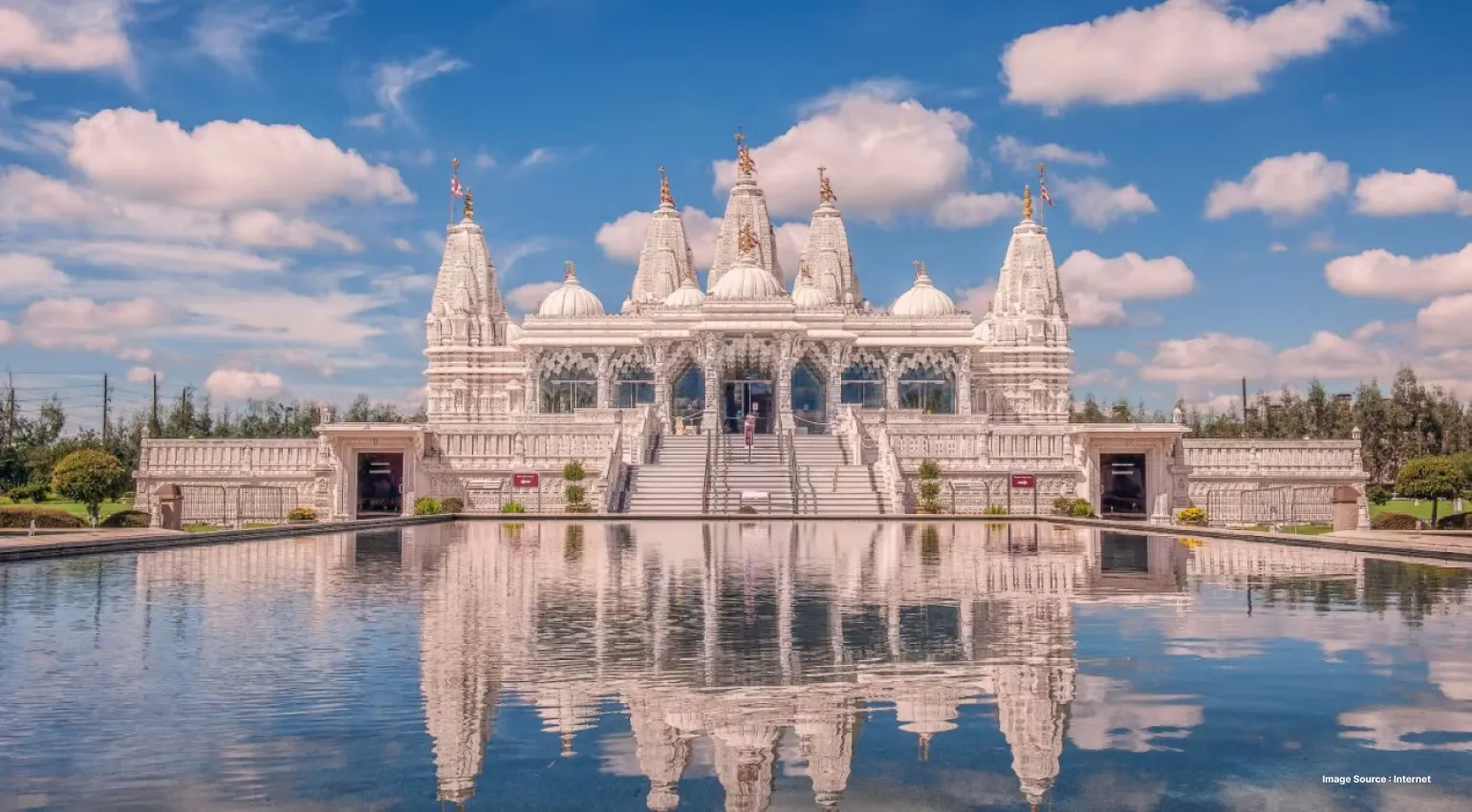
Hindu Temples in the USA

The True Meaning Behind The Festival of Light
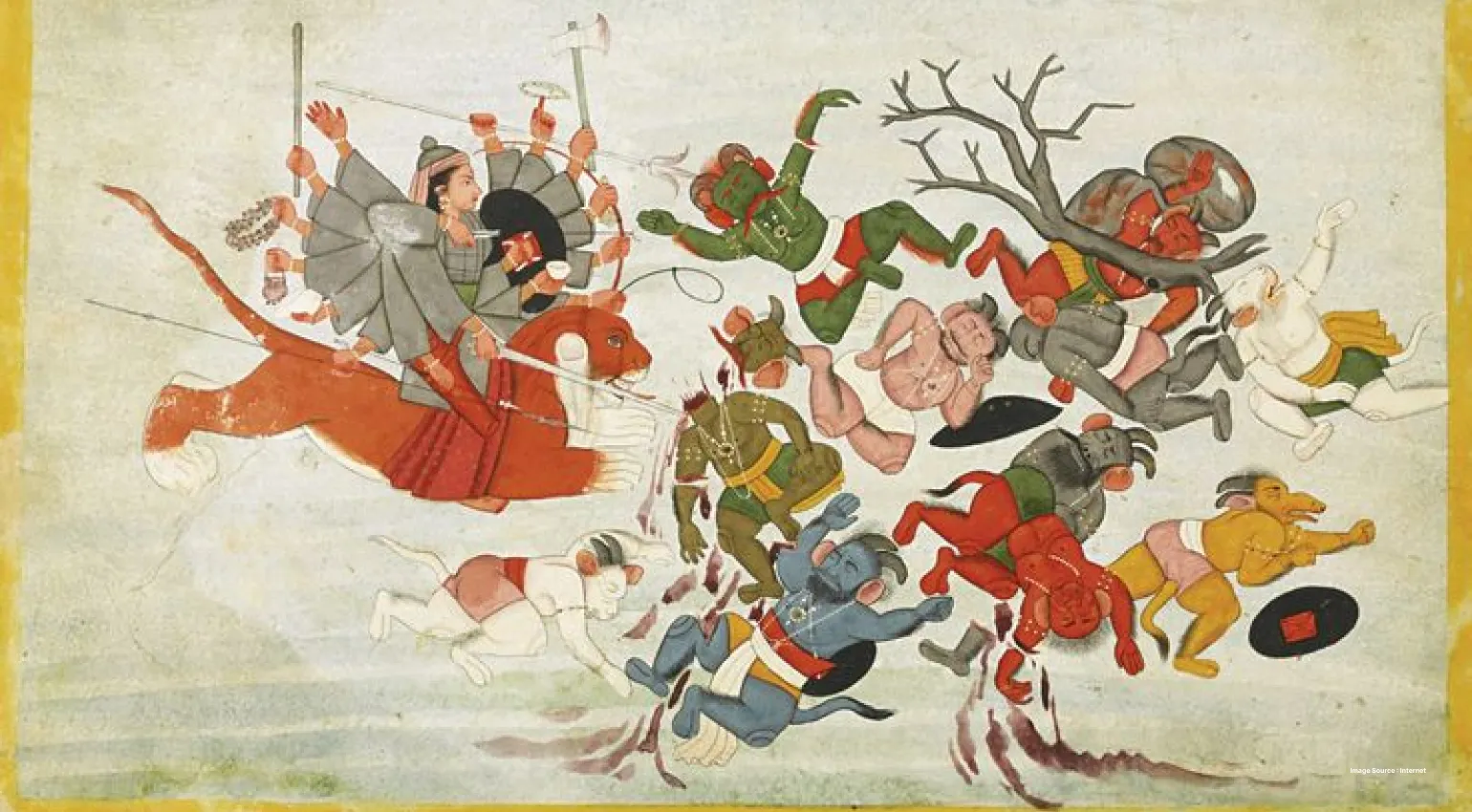
Sacred Myths or Misunderstood Realities?
The Richest Indian Tradition

The Camping Gear Guide

Sea to Summit dry bag

Backpacking Sleeping Pad

Top 6 Places to Travel in December
TRAVELOSEI PROMISE
What To Expect?

The Real India,
Re-Imagined For You
India is not just a destination - it's a world with-in the world. TRAVELOSEI go far beyond guide-books to offer you an India that is authentic yet exclusive, spiritual yet sophisticated delivered through private doors, rare access, and impeccable attention to details.

Trusted By Global Elites
From World Class Leaders to Forbes Listed Families and international Royalties to
visionary CEOS.
Our clientele chooses us for one reason - We Know India. Over two decades of providing
experiences which aren't just luxurious - they are intimate, curated & wildly rare.

Bespoke Travel Experience
For those who seek truth in detail, art in hospitality, and identity in experience. Our Luxury Travel Architect work discreetly and personally with you to craft travel experiences that go beyond 5 Stars, where every detail whispers luxury - and legacy.

White-Glove Concierge
24 X 7 Dedicated Concierge Support even in the wildest corners of India. At TRAVELOSEI, our concierge team ensures that everything-from airport- tarmac pick-ups, last minute reservations and private spiritual sessions - is handled before you even ask.


