
Last Updated : Jun 11, 2026 | Author : Tia | View Count : 508 | Read Time : 6 min
Diwali Meaning: Everything You Need to Know About the Festival of Lights
Ever seen pictures of the golden-lit streets, colourful rangoli designs which adorn the doorsteps in front of homes, and rows of tiny flickering lamps? There’s a good chance you were witnessing Diwali. This is one of the mos visually striking festivals a spectacle within itself. It is celebrated by hundreds of millions. Hundreds of millions; it’s celebrated by hundreds of millions of people across India and beyond. For most Americans who are traveling to India for the festival or during festival season, the question that arises in your mind is: what does it mean? What does the festival of lights truly entail? Why does it feel so significant? This blog will walk you through all that and more, from the origins of the legends to the rituals that still follow and why the festival hits differently even in today’s world.
What is the meaning of Diwali in simple terms?
Diwali’s meaning is rich in heritage; it symbolises something more than what people expect. It goes beyond lights and sweets. At its core, it captures something deeply human, a celebration of good winning over evil. The full picture of this celebration is layered and is absolutely worth exploring oduringyour time in holiday.
What Is the True Diwali Meaning? Origins and Etymology
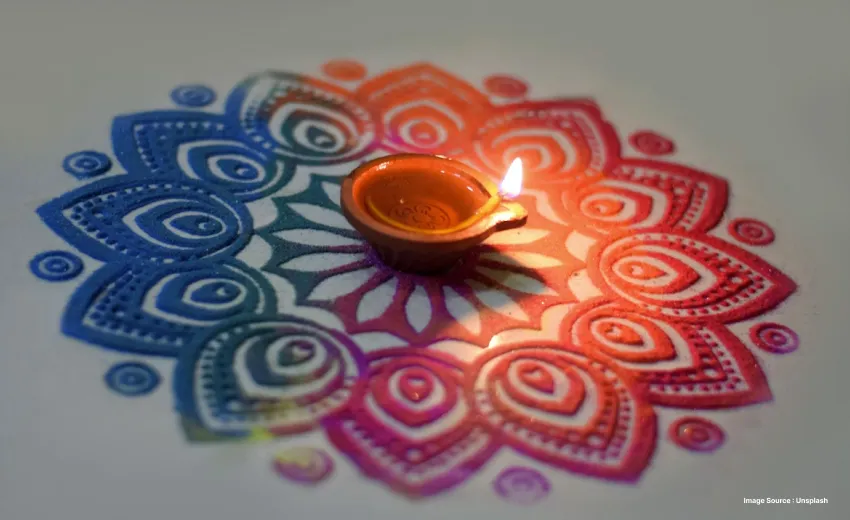
The etymology of the word Diwali comes from the Sanskrit word “Deepavali”, which can be broken into two distinct parts: “Deepa”, which means lamp or light, and “avali,” which refers to rows or a series. So, in literal terms, Diwali means a “row of lights”, which is exactly what you see when you talk about Diwali; you imagine rows of oil lamps called diyas which are placed along windowsills, doorways, rooftops, and courtyards.
The roots of the festival go back over 2500 years; the origins of the festival are tied to ancient Hindu traditions. Over time, it became a major cultural event that crossed several religious boundaries. Today, each Indian community brings their own spark to the Diwali traditions; the celebrations are varied, making history by celebrating the occasion in their own special way.
TL;DR: Diwali meaning literally translates to "row of lights" from Sanskrit.
The Spiritual Significance Behind the Lamps and Light
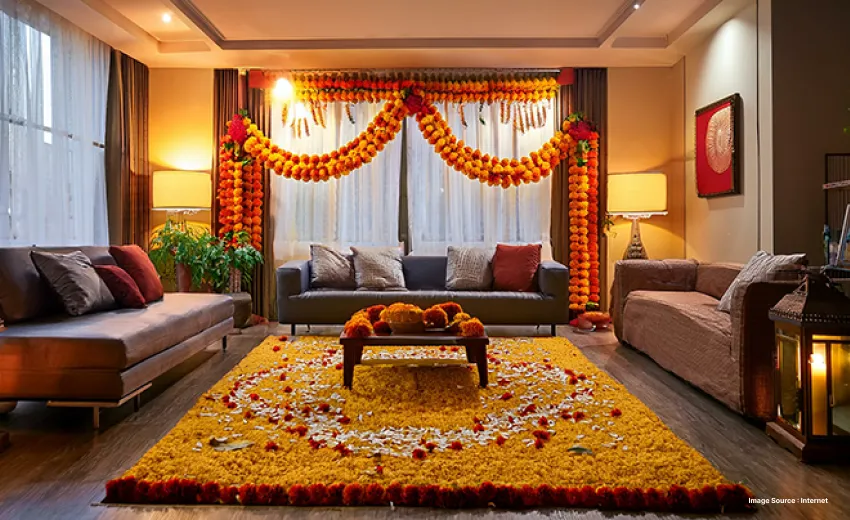
The smallest lamp is called the diya; it is structured with clay and filled with oil, with a cotton wick placed in the centre. This is not just mere decoration. This diya carries a lot of spiritual weight; lighting a diya during Diwali is an act of inviting light into your home and your li;e, in the Hindu philosophy, light is representative of knowledge, awareness, and truth. Darkness represents ignorance and fear, so when families light dozens or even hundreds of diyas on Diwali night, they make a symbolic statement of choosing awareness over ignorance.
Another aspect is the welcoming of Goddess Lakshmi; she is known as the Hindu goddess of wealth and prosperity. During Diwali, people believe that she visits their homes, especially those that are clean, bright, and lit with diyas, which are lit to signal that the household is open and ready to receive their blessings.
This connection to light and spiritual clarity is one reason why Diwali meaning resonates so widely, even with people outside the Hindu faith. The idea that light can push back darkness is something just about anyone can connect with.
The Legends and Mythological Stories That Define Diwali
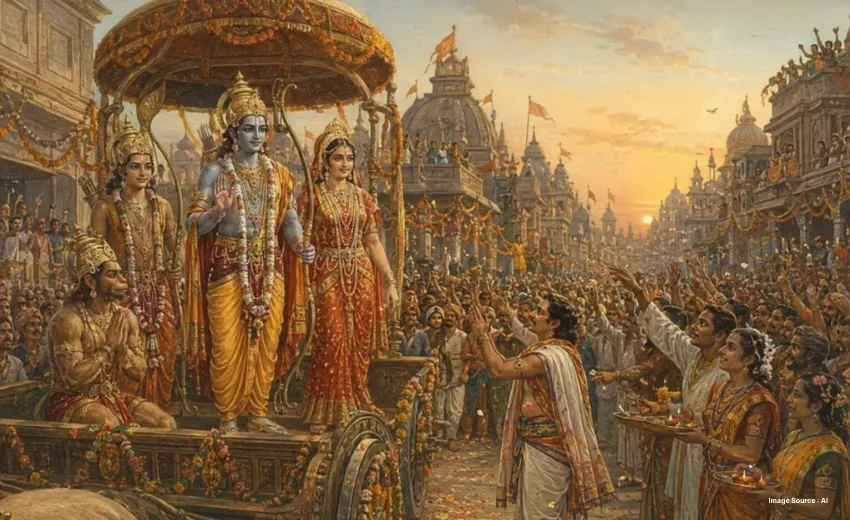
There isn’t one origin of Diwali; there are several, and knowing them helps you understand what makes this festival so layered. Starting with the most famous story surrounding Diwali, this originated in the north of India, from the Hindu epic Ramayana. Lord Rama, his wife Sita, and his brother Lakshmana were in exile for 14 years. During that time, the demon king Ravana kidnapped Sita. Rama, with the help of the monkey god Hanuman and an army of allies, defeated Ravana and rescued Sita. When they returned to the kingdom of Ayodhya, the people lit rows of lamps to welcome them home and celebrate good winning over evil.
Another major retelling of the tale of Diwali involves the story of how lord krishna defeated the demon Narakasura; this tale is more prevalent in the south of India and is the basis for Naraka Chaturdashi, one of the five days of Diwali celebrations.
Another story which rings true to many during the festival of lights is the story of King Bali and Lord Vishnu. Vishnu, in the form of a dwarf named Vamana, tricks the generous but power-hungry king Bali and pushes him into the underworld. The day Bali returns to visit his people is celebrated as Diwali in some regions, particularly in Kerala, where it's known as Onam-adjacent traditions.
These stories all circle back to the same theme that good wins over evil.
TL;DR: Diwali's mythological stories all share a common thread: the victory of good over evil.
Diwali Rituals and Their Deeper Symbolic Meanings
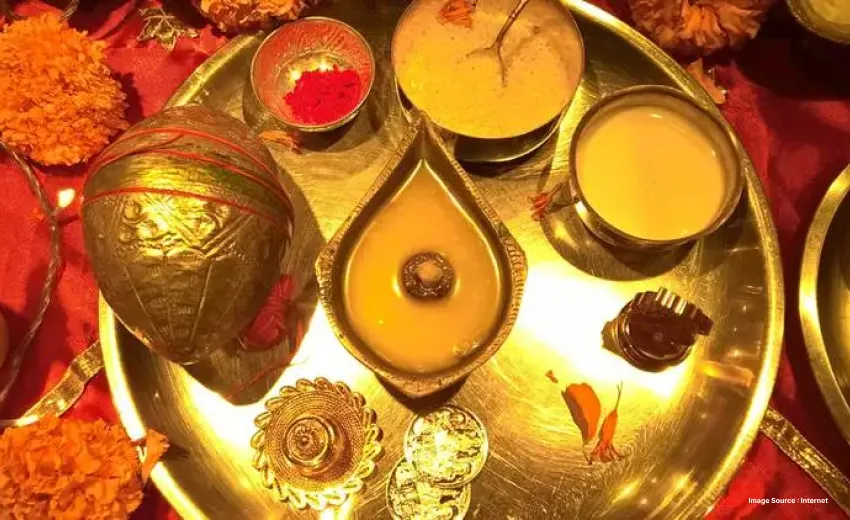
This is a five day festival and each day has its own name, they share their own individual rituals and meaning. The main day of the celebration is the third day, which is known as Diwali.
Let’s start with the first one; this is known as Dhanteras. It is dedicated to prosperity. People buy gold, silver, or new utensils as a symbol of welcoming wealth into their homes.
Day two, Naraka Chaturdashi, also called Choti Diwali, marks the defeat of the demon Narakasura. It's a day of cleaning, bathing with fragrant oils, and preparing for the main night.
Day three is the main Diwali night. Families perform Lakshmi Puja, a prayer ceremony for the goddess of wealth. Diyas are lit, fireworks are set off, sweets are shared, and homes are decorated with rangoli, intricate patterns made on the floor using colored powders or flower petals.
Day four, Govardhan Puja, celebrates the story of Krishna lifting the Govardhan hill to protect his village from flooding rains.
Day five, Bhai Dooj, is a celebration of the bond between brothers and sisters, similar in spirit to Raksha Bandhan.
All the rituals during this 5-day window have a specific intention behind they’re not done for show or other superficial purposes. Cleaning symbolises removing negativity; sharing sweets with your loved ones is representative of sharing joy. Diwali, through these gestures and acts, turns into something more than just a pretty light show.
How Diwali Meaning Translates Into Modern Celebrations
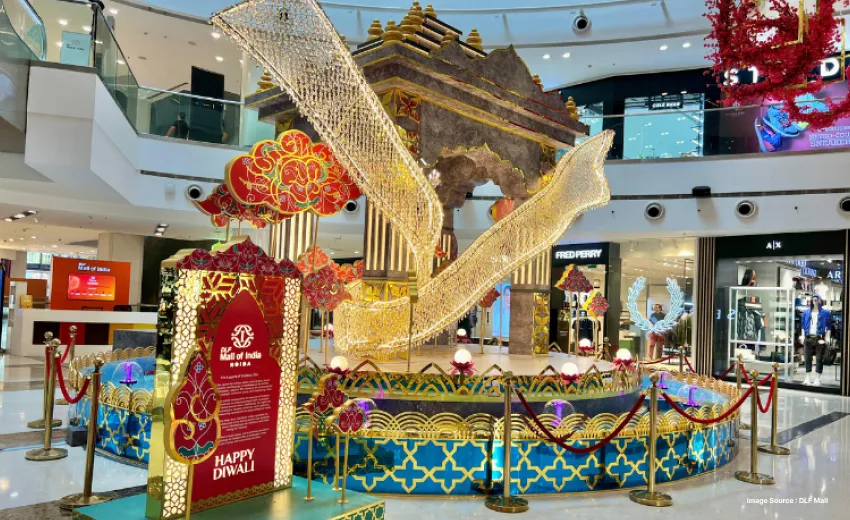
In current times, these celebrations have evolved from what they were centuries ago, and this is completely viable; this tends to happen as times change. In India, cities are always lit up like Times Square on New Year's Eve. Malls have dedicated Diwali sales and the TV channels run special programming, with fireworks filling the sky for days. According to Pew Research Center, Hinduism is the world’s third-largest religion; this gives you a sense of how large the festival truly is.
Diwali is also popular and celebrated in the United States, where it has grown into a publicly recognised celebration. Cities like Houston, New York, and edison in New Jesrsey hold large festivals which are open to anyone.
The core of Diwali's meaning has not changed, though. Families still gather. Prayers are still offered. Gifts and sweets are still exchanged. You can learn more about how Diwali is celebrated in the U.S. and globally through resources like the Smithsonian's Asian Pacific American Center, which documents cultural festivals in depth.
Why Diwali's Message of Light Over Darkness Still Resonates Today
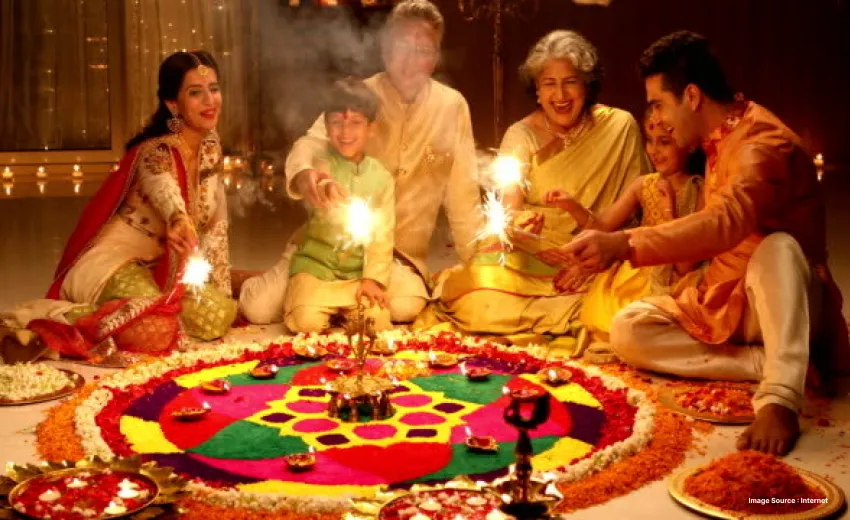
In a society where the world tends to feel heavy, Diwali’s message rings true for lots of people; it is a refreshing example: light is stronger than darkness always. Good and the betterment of people and our environments is worth fighting for; returning to your home matters.
This message and spirit have been resilient and survived thousands of years because it’s not tied to a specific time or place or even language; this message carries universal meaning for all of us. The idea of choosing light is something most people can hold on to.
For American travelers especially, experiencing Diwali in person, whether in India or at a local celebration back home, often turns into a genuinely moving experience. Not because of the spectacle, though that is remarkable, but because of the warmth of the people and the sincerity behind every lit lamp.
TL;DR: The simple human hope that good things are worth celebrating and protecting.
FAQs
1. When does Diwali usually take place?
Diwali falls in October or November each year.
2. What should American travelers know before attending a Diwali celebration in India?
Dress modestly and comfortably, be open to trying traditional sweets, and if invited into someone's home, remove your shoes at the door.
3. Why do people exchange sweets during Diwali?
Sharing sweets is a way of spreading joy and goodwill.
Plan your bespoke india journey today
tell us what inspires you - and we will handcraft an experience that mirrors your elegance, pace & personality.
START PLANNINGTrending Travel Stories
Stay inspired with our most popular travel stories, practical advice, and must-read destination guides.

The Camping Gear Guide

Sea to Summit dry bag

Backpacking Sleeping Pad

Top 6 Places to Travel in December
Secure Your VIP Festival Tour
Planning a Private Spiritual Journey to India?

Reserve Your Private Spiritual Healing Retreat in India's Holiest Destinations
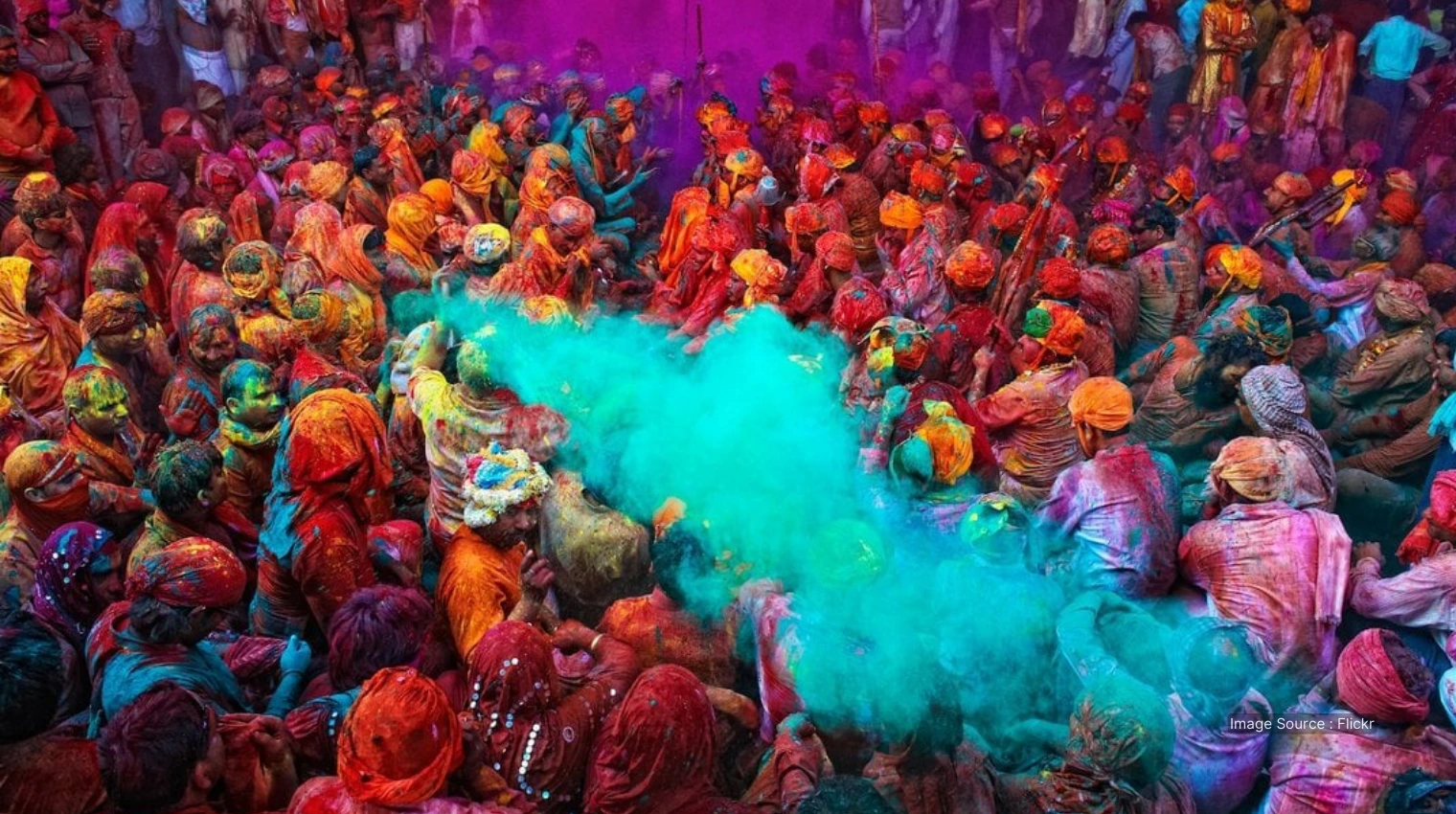
Experiencing Indian Holi Festival Tour in Style: Private Access & Premium Comfort
TRAVELOSEI PROMISE
What To Expect?

The Real India,
Re-Imagined For You
India is not just a destination - it's a world with-in the world. TRAVELOSEI go far beyond guide-books to offer you an India that is authentic yet exclusive, spiritual yet sophisticated delivered through private doors, rare access, and impeccable attention to details.

Trusted By Global Elites
From World Class Leaders to Forbes Listed Families and international Royalties to
visionary CEOS.
Our clientele chooses us for one reason - We Know India. Over two decades of providing
experiences which aren't just luxurious - they are intimate, curated & wildly rare.

Bespoke Travel Experience
For those who seek truth in detail, art in hospitality, and identity in experience. Our Luxury Travel Architect work discreetly and personally with you to craft travel experiences that go beyond 5 Stars, where every detail whispers luxury - and legacy.

White-Glove Concierge
24 X 7 Dedicated Concierge Support even in the wildest corners of India. At TRAVELOSEI, our concierge team ensures that everything-from airport- tarmac pick-ups, last minute reservations and private spiritual sessions - is handled before you even ask.


