
Last Updated : Apr 17, 2026 | Author : Tanya Prasad | View Count : 1297 | Read Time : 7 min
The Most Beautiful Places in India That’ll Make You Rethink About Travelling
India is one of the very few destinations that cannot fit into a single description. It’s extensive, diverse and comes with so many layers that no one sentence can do it justice. Within the same week, you can enjoy the misty green hills of Munnar in Kerala, ride across the golden dunes of the Thar desert or enjoy the cultural festival in a white salt desert. This kind of range is rare and what gives the country its label “Subcontinent”. It’s tough to choose the best from its incredible landscapes, but here are a few you must check out before planning your trip.
What are the most beautiful places to visit in India?
India makes that question difficult to answer. The most beautiful places to visit in India range wildly– it has high-altitude lakes that shift color through the day, salt deserts that look like another planet, ancient forts that glow at sunset, and coral islands most people haven't even heard of.
India's Highest, Most Hypnotic Lake
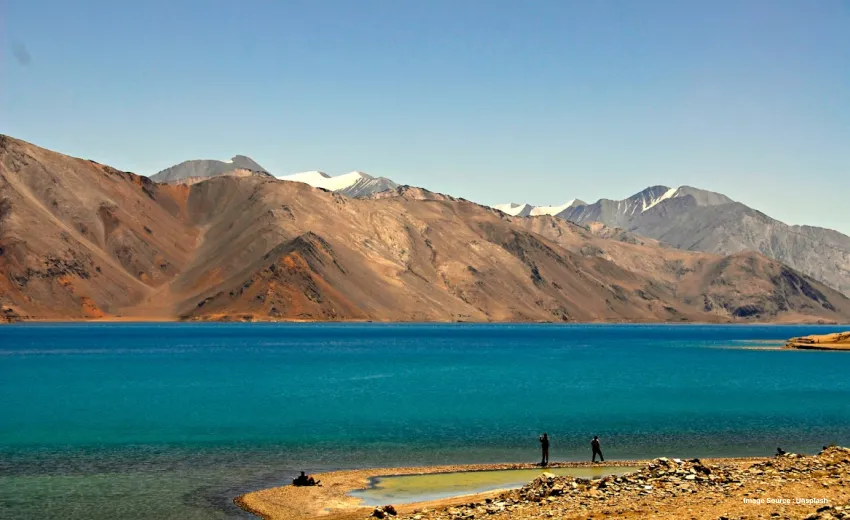
Pangong Lake sits about 4,350 meters above sea level and stretches 134 kilometers along the India-China border. The color is what catches people off guard — a dynamic blue that shifts from sapphire to turquoise to silver based on the time of day and weather. It appears photoshopped, but it’s real.
Traveling there from Leh takes around five hours on mountain roads that will scare you and make you feel alive at the same time. The journey itself is part of the experience — high passes, prayer flags fluttering in the wind, and villages that look like they’ve been frozen in time.
Best time to visit: May to September. The lake freezes in winter, which offers its own beauty, but access becomes difficult due to closed passes.
Pro tip: Spend a night in one of the lakeside camps. The stars at that altitude are something you’ll try to describe for years.
TL;DR: Sitting at 4,350 meters above sea level, Pangong Lake shifts from sapphire to turquoise to silver throughout the day.
The Himalayan Valley That Blooms Once a Year
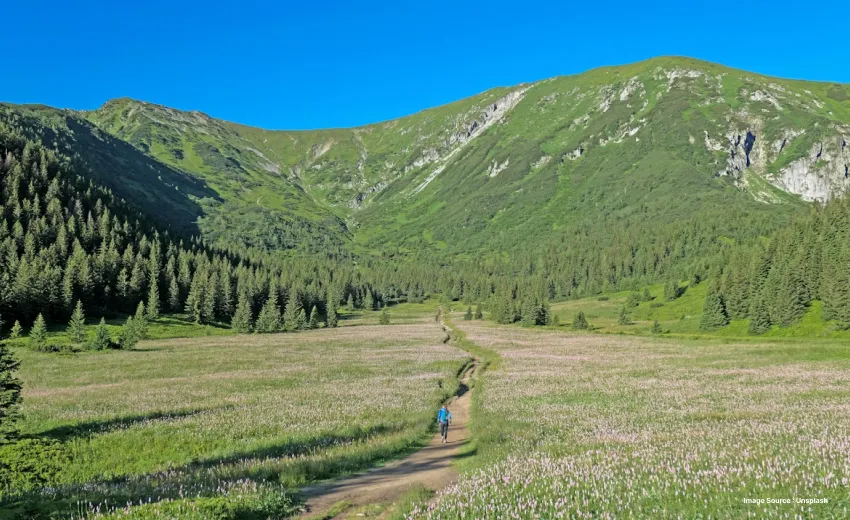
The Valley of Flowers is a UNESCO World Heritage Site hidden in the Garhwal Himalayas, and it fully deserves that title. From July to September, this high-altitude valley bursts with over 300 species of wildflowers, including Himalayan blue poppies, cobra lilies, daisies, and anemones, spreading across 87 square kilometers of terrain that looks like a joyful painting.
The trek from Govindghat takes about three days and passes through Ghangaria. It’s moderately challenging, but doable if you’re in reasonable shape; it’s immensely rewarding even if you’re not.
What nobody tells you is how profound the silence is up there. It feels full, not empty. You hear the wind, birds singing, and sometimes the distant sound of a stream. Your phone signal vanishes, which somehow feels like a weight lifted.
Best time to visit: Mid-July to mid-August for the peak bloom. September brings fewer crowds, but some flowers may have faded.
Goa's Best Kept Secret Is Not a Beach
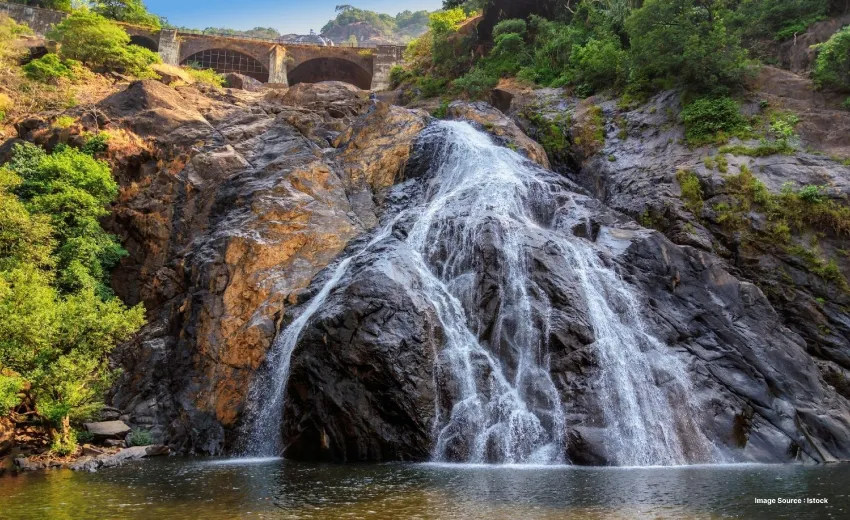
Most people visit Goa and stay on the coast, meaning they miss Dudhsagar.
Translated directly, Dudhsagar means “sea of milk,” and when you see this four-tiered waterfall in full monsoon flow, the name makes perfect sense. At 310 meters tall, it’s among the tallest waterfalls in India, and the frothy white water crashing down through the dense Bhagwan Mahavir Wildlife Sanctuary forest is truly dramatic.
The best way to reach it? Take a jeep safari through the jungle, then walk and wade a short distance to the base pool. Monsoon season (June to September) showcases the falls at their most magnificent, though access can be trickier. The post-monsoon season (October-November) offers an impressive flow with easier access.
The old railway bridge framing the falls is a dream setting for photographers. Bring a waterproof case for your phone; you will get wet.
India's Most Otherworldly Landscape
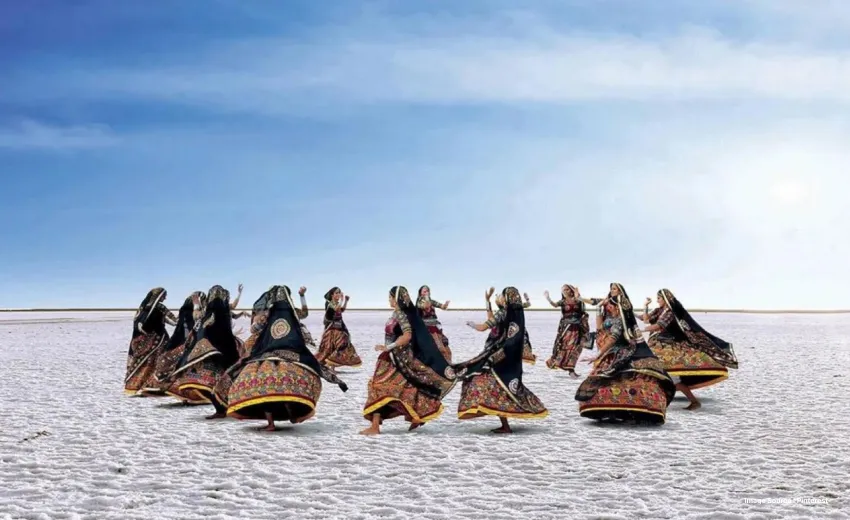
There’s a unique beauty that comes from total openness, and the Rann of Kutch embodies this.
As one of the largest salt deserts in the world, this vast white landscape in Gujarat resembles a moonscape more than anything on earth. During the dry season, the salt flat stretches endlessly in every direction — flat, blinding white, and otherworldly. It’s a place that quiets your mind.
The Rann Utsav, a three-month cultural festival from November to February, transforms this remote desert into a vibrant celebration featuring folk music, local crafts, camel rides, traditional Kutchi food, and full moon nights where the white salt mirrors the moonlight. It’s one of India’s best-kept travel secrets.
Don’t miss: The nearby crafts villages, especially Hodka and Bhirandiyara. The remarkable embroidery and mirror work here is worth buying directly from the artisans.
The National Park That Earns Every Superlative
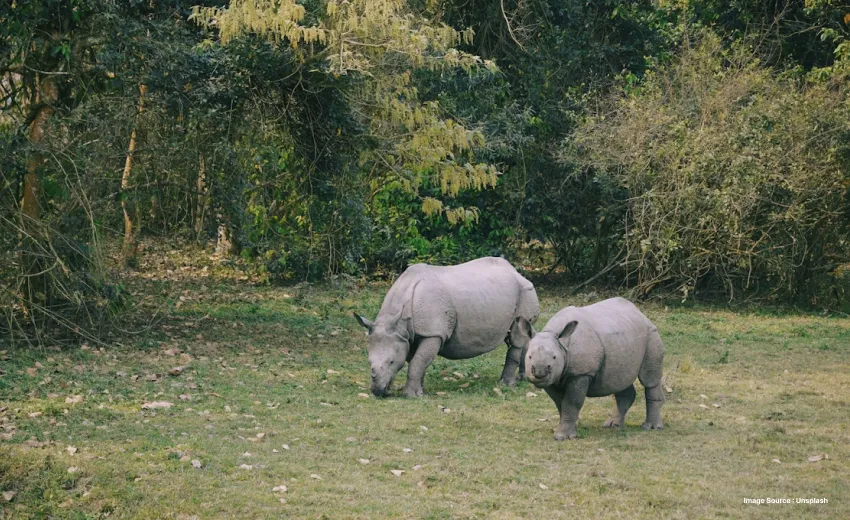
India’s wildlife scene is serious, and Kaziranga is its crown jewel.
This UNESCO World Heritage Site in Assam is home to the largest population of the Indian one-horned rhinoceros, around 2,600 roaming across 430 square kilometers of tall elephant grass, dense forests, and wetlands. Wild elephants, tigers, water buffalo, and hundreds of migratory birds can also be spotted.
Elephant safaris at dawn are the traditional way to explore since they take you to places where jeeps can’t go. The morning light, mist rising off the floodplains, and silhouettes of rhinos moving through the grass are genuinely cinematic.
Best time to visit: November to April. The park closes during monsoon season (May to October) due to flooding from the Brahmaputra River.
TL;DR: This UNESCO World Heritage Site in Assam is home to around 2,600 Indian one-horned rhinoceroses.
Rajasthan's Most Breathtaking Hill Fort
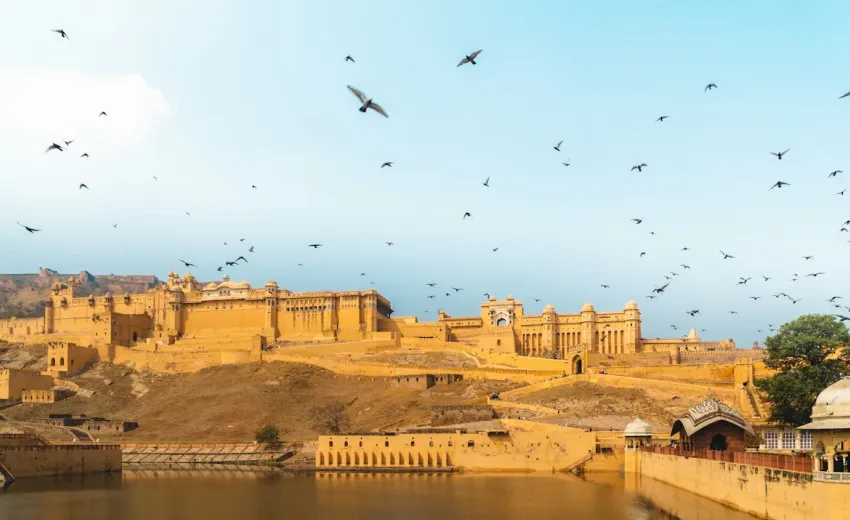
Built in 1592 by Raja Man Singh I and expanded in the following century, this hill fort overlooks Maota Lake near Jaipur and showcases Mughal-Rajput architecture. The Sheesh Mahal (Palace of Mirrors), lined with countless tiny glass pieces that turn a single candle into a sky full of stars, is worth the trip alone.
The fort glows amber at sunset. An elephant ride up is optional, but the views from the battlements are amazing. Below, the Jaipur skyline stretches out — palaces, bazaars, mountains — and for a moment, you forget what year it is.
Insider tip: Arrive when it opens at 8 a.m. to avoid the tour groups. The fort shifts from crowded to peaceful before 10 a.m.
Life Moves Slower on Kerala's Backwaters
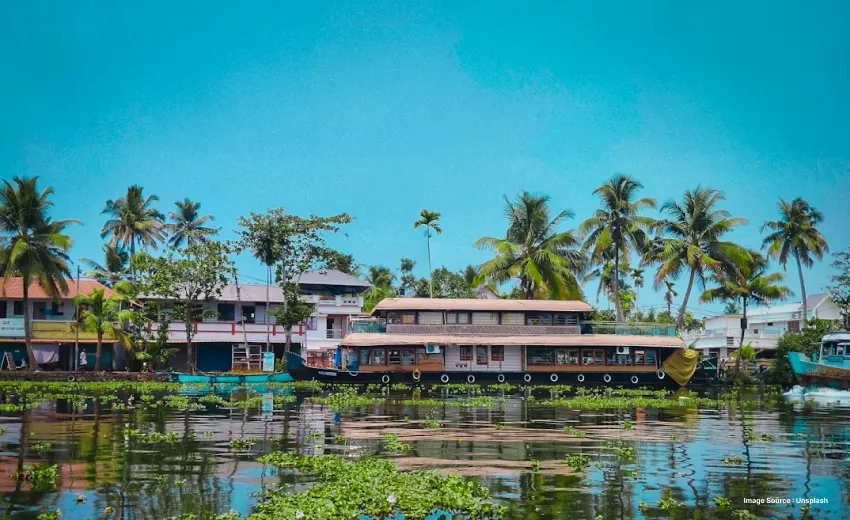
Alleppey, officially called Alappuzha, sits about 85 kilometers north of Thiruvananthapuram and is the main gateway to Kerala's backwater network. The town itself has canals running through it, which earned it the nickname "Venice of the East," though the real draw is getting out onto the wider backwaters of Vembanad Lake and the surrounding lagoons. Houseboat stays are the most popular way to experience it, with overnight cruises taking you through narrow village waterways, paddy fields, and fishing settlements that feel completely removed from city life. Beyond the houseboats, Alleppey beach is a quieter alternative to Goa, and the Alappuzha lighthouse is worth a visit for the views.
South India's Most Underrated Escape
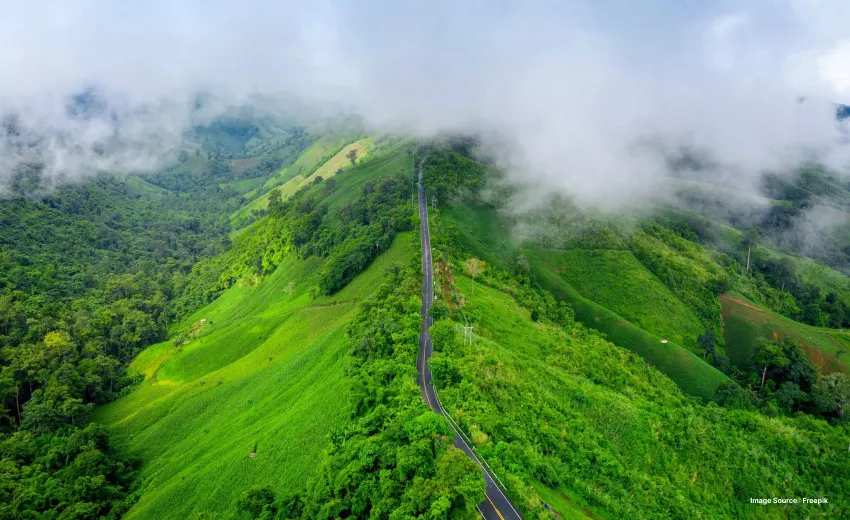
Coorg — or Kodagu — is the kind of place that makes you want to leave your job and start a guesthouse.
Known as the “Scotland of India,” this hilly district in Karnataka is covered in coffee and cardamom plantations, dotted with waterfalls, and home to the proud Kodava people whose culture and cuisine are unlike anything else in South India. The pork curries here are famous. Don’t miss them.
Abbey Falls, Iruppu Falls, and the ancient Namdroling Monastery (yes, a Tibetan Buddhist monastery in Karnataka) are all worth seeing. But honestly, Coorg is not just about attractions; it’s more about embracing the atmosphere. Enjoy slow mornings on the plantation verandas, cool evenings in the forests, and the aroma of coffee blossoms in spring.
Best time to visit: October to March. Monsoon (June-August) offers dramatic scenery, but you’ll find leeches on every trail — it’s up to you.
The Islands Worth the Extra Permit
If you say you’re going to the Maldives, people know what you’re talking about. If you mention Lakshadweep, you’ll likely have to explain — which is, in fact, the whole point.
This group of 36 coral atolls sits in the Arabian Sea, roughly 400 kilometers off the Kerala coast. The water has that special turquoise hue that makes every travel photo appear edited. It isn’t. The coral reefs here are some of the healthiest in India. The beaches on islands like Agatti, Bangaram, and Minicoy are uncrowded, unlike Goa, which lost that charm decades ago.
Access requires an entry permit for Indian citizens, and foreign travelers need special permission, which keeps the numbers low.
The World's Greatest Love Story
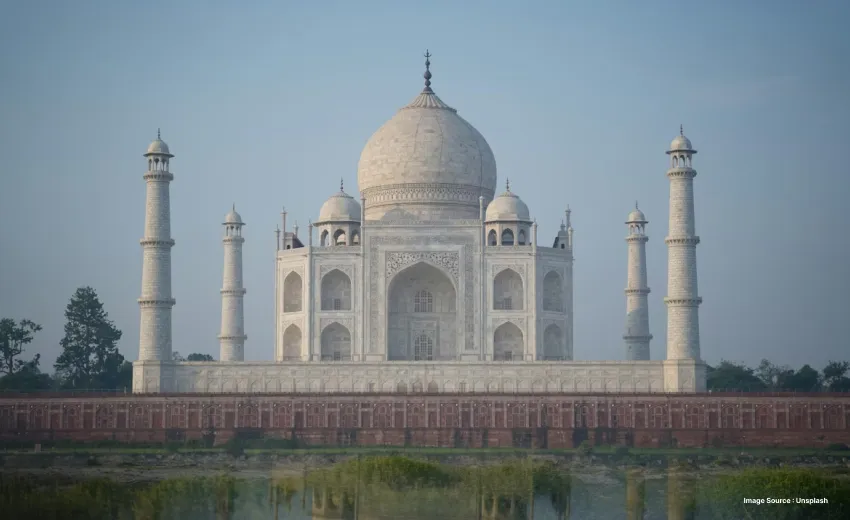
The Taj Mahal is one of those rare things that doesn’t just meet the hype — it quietly exceeds it in ways you can’t anticipate. Built by Mughal Emperor Shah Jahan between 1631 and 1648 as a mausoleum for his wife Mumtaz Mahal, it is made from white Makrana marble inlaid with semi-precious stones. The calligraphy on the arches is perfect. The gardens follow a precise symmetry. The whole structure seems to glow from within at different hours of the day.
Sunrise is the move. Get there before 7am, before the tour buses arrive, and stand in the relative quiet of the long pool’s reflection. The light is pink and gold. The marble is almost translucent. People have been standing in this exact spot for 400 years, feeling exactly what you’re feeling — which is something like the specific emotion that doesn’t quite have a name in English but is probably closest to “awe mixed with gratitude.”
Practical note: Book tickets online in advance. Friday is closed to tourists. The Taj is included in the Agra Fort + Fatehpur Sikri circuit — plan two days in the city
Frequently Asked Questions
1. What is the most beautiful place in India to visit?
There’s no single answer — and that’s actually the beauty of it. Pangong Lake offers landscape drama at an extreme altitude. The Taj Mahal is the undeniable icon. If you want nature, Munnar or Kaziranga will wreck you (in the best way). It depends on what kind of beauty you’re looking for.
2. When is the best time to visit India?
For most destinations on this list, October to March is the sweet spot — post-monsoon, cooler temperatures, and clear skies. Exceptions: Valley of Flowers is open only in July-August, and Rann Utsav happens from November to February.
3. Is India safe for solo travellers?
Yes, with reasonable precautions. Solo travellers — including solo women travellers — visit all of these destinations regularly. Research your specific destination, use reputable transport, and trust your instincts. The vast majority of travellers have overwhelmingly positive experiences.
Plan your bespoke india journey today
tell us what inspires you - and we will handcraft an experience that mirrors your elegance, pace & personality.
START PLANNINGTrending Travel Stories
Stay inspired with our most popular travel stories, practical advice, and must-read destination guides.
The Camping Gear Guide
Sea to Summit dry bag
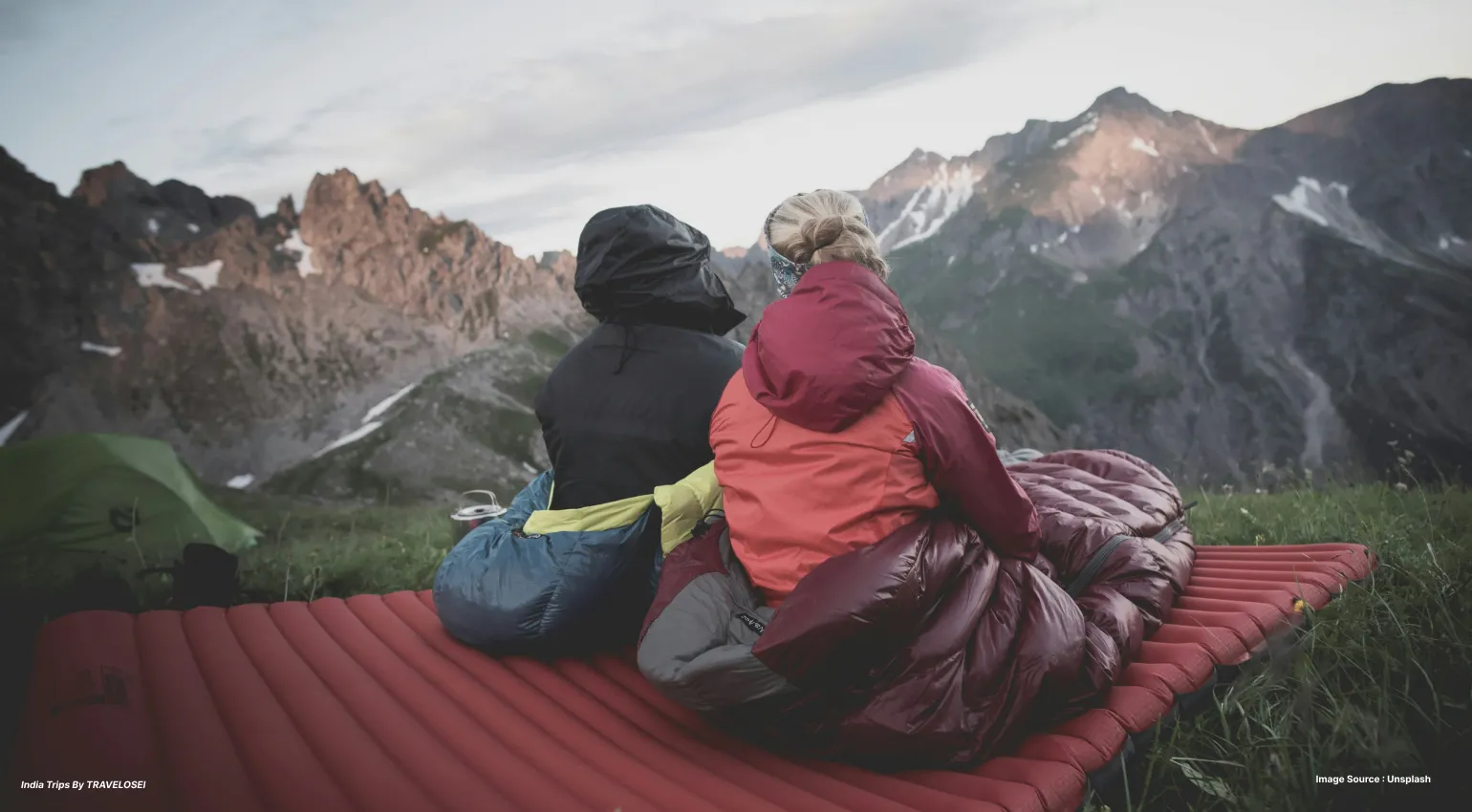
Backpacking Sleeping Pad

Top 6 Places to Travel in December
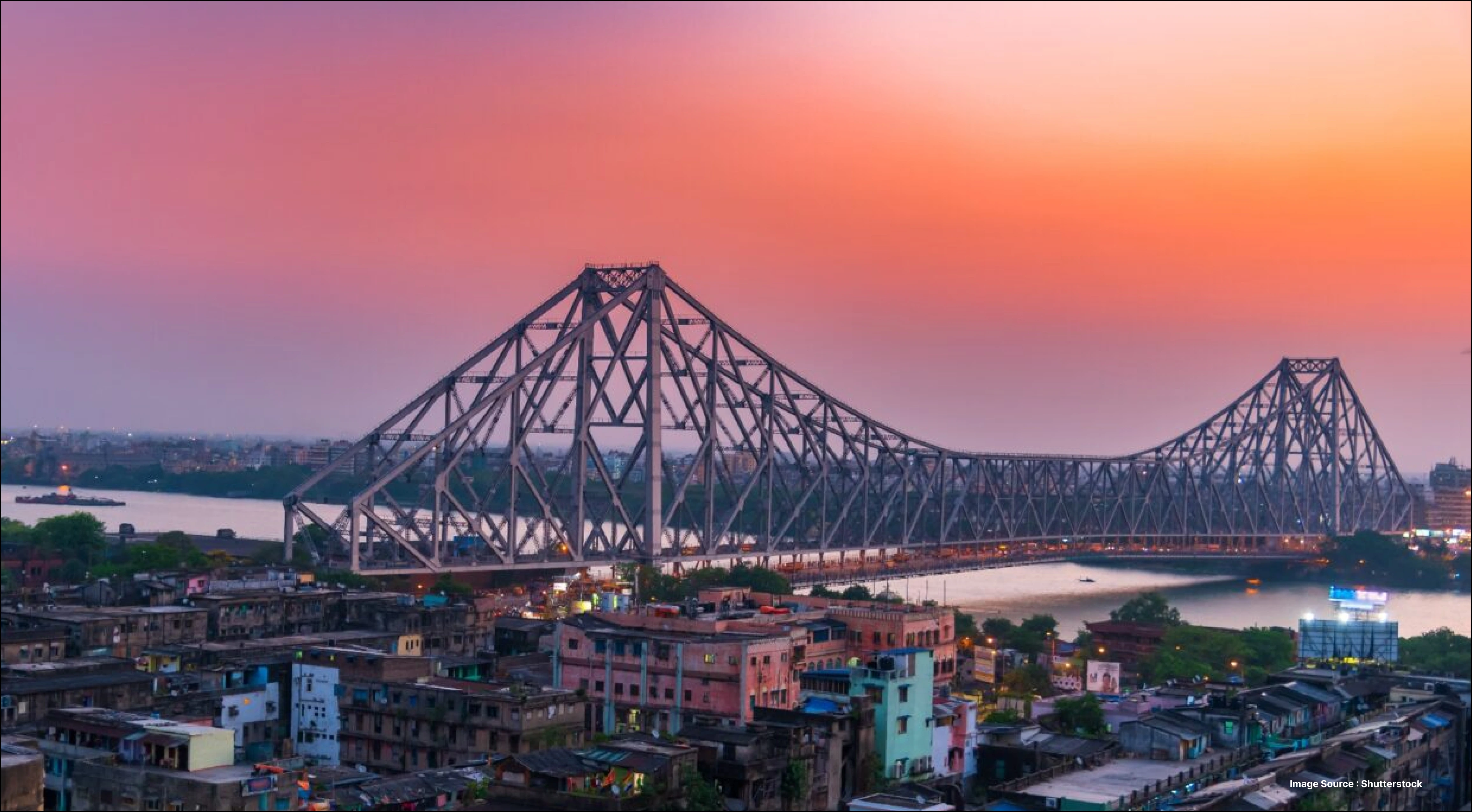
A Complete Guide Kolkata A City of Joy
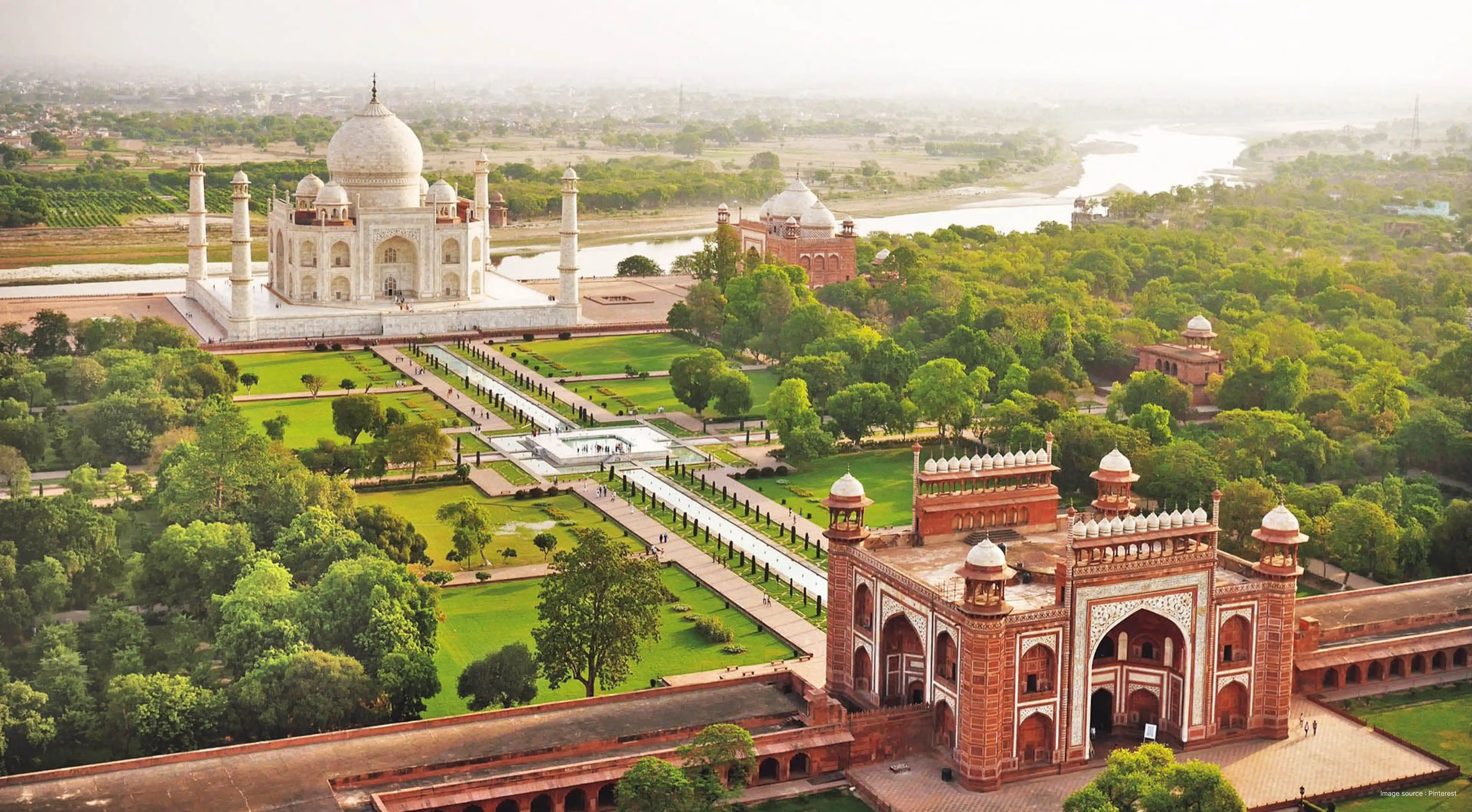
Explore The Seventh Wonder of the World - The Taj Mahal
.webp)
Top 10 Famous Indian Tourist Attractions
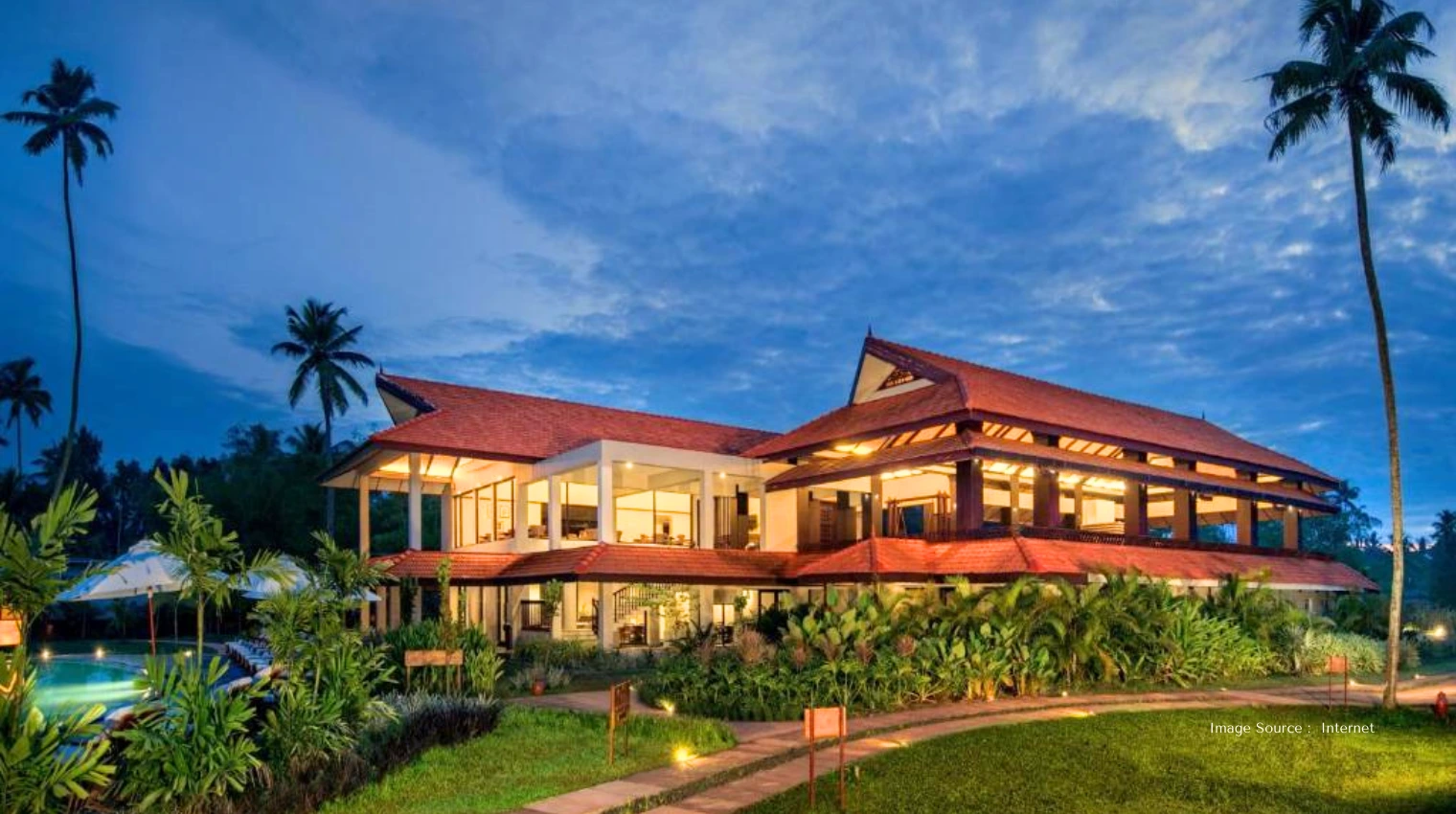
Holistic Wellness In India
TRAVELOSEI PROMISE
What To Expect?

The Real India,
Re-Imagined For You
India is not just a destination - it's a world with-in the world. TRAVELOSEI go far beyond guide-books to offer you an India that is authentic yet exclusive, spiritual yet sophisticated delivered through private doors, rare access, and impeccable attention to details.

Trusted By Global Elites
From World Class Leaders to Forbes Listed Families and international Royalties to
visionary CEOS.
Our clientele chooses us for one reason - We Know India. Over two decades of providing
experiences which aren't just luxurious - they are intimate, curated & wildly rare.

Bespoke Travel Experience
For those who seek truth in detail, art in hospitality, and identity in experience. Our Luxury Travel Architect work discreetly and personally with you to craft travel experiences that go beyond 5 Stars, where every detail whispers luxury - and legacy.

White-Glove Concierge
24 X 7 Dedicated Concierge Support even in the wildest corners of India. At TRAVELOSEI, our concierge team ensures that everything-from airport- tarmac pick-ups, last minute reservations and private spiritual sessions - is handled before you even ask.


