
Last Updated : Jun 12, 2026 | Author : Tia | View Count : 201 | Read Time : 6 min
Hindu Temple Near Me: Architecture, Science & Meaning
If ever, out of curiosity, you’ve typed in “Hindu Temple near me” into your phone while traveling through an American city, then you may be surprised by how many options came up. Hindu temples exist in all major American metropolises, and many of these temples are open to visitors from various backgrounds; most people don’t realise that these buildings are more than just plain old beautiful structures; they carry history and heritage that have been embedded into each crevice of the structures. Each figure, the towering entrance it all carries a specific meaning; whether you are curious about world cultures, spiritual practices, or would like to experience something genuinely different on your next trip, then going to a Hindu temple is one of the most powerful things you can do to find a change of pace.
What can I expect when I visit a Hindu temple near me?
You can expect an evolving energy. A Hindu temple near you goes beyond a place of worship; it’s a place where ancient science and sacred spirituality collide to create a space that is hard to put into words until you’re already inside one.
How to Locate a Hindu Temple Near You Today
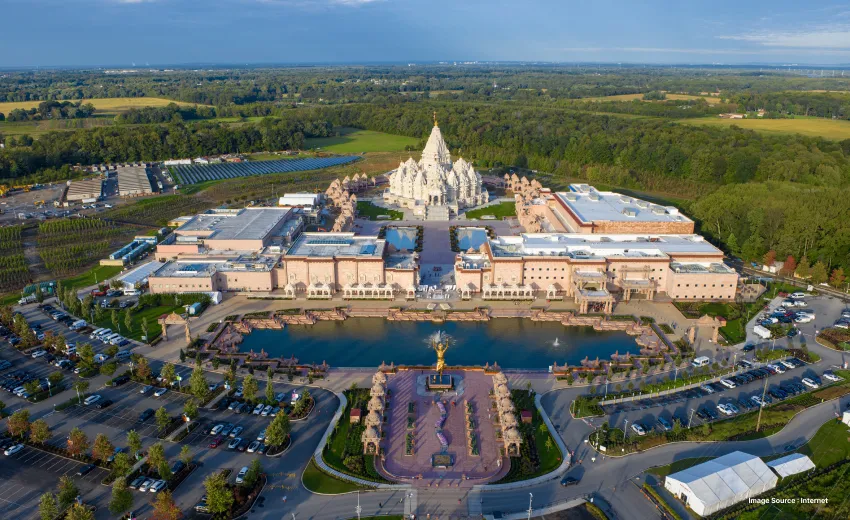
If you are ready to visit a Hindu temple near you or wherever you happen to be in the US, the process is simpler than you might think. There are roughly about 1000 Hindu temples in the whole of the United States of America; these temples range from being small converted community spaces to some of the world’s best architectural marvels. Home to some of the most prominent temples in New Jersey.
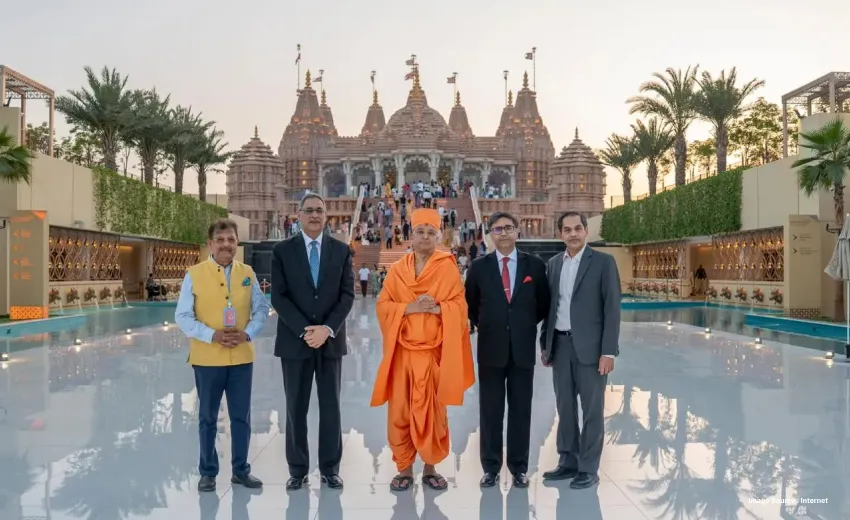
This includes BAPS, Swaminarayan Akshardham, Robbinsville. This is arguably the most spectacular Hindu temple in the Western Hemisphere. This temple opened in 2023; it took over a decade to build. It covers about 185 acres and is the largest Hindu temple outside of India. Dedicated to Lord Venkateswara in the form of a deity of Vishnu, the Sri Venkateswara Temple, Bridgewater, hosts bountiful festivals.
To find temples that are closer to your home, all you need to do is make a quick Google search for Hindu temple near me, and you’ll be shown the nearest options along with reviews, visiting times, and photos. These temples aren’t restrictive of the type of people that are welcome inside of them; almost anyone from any background can come see these temples. They all just follow a few basic guidelines.
We’ll take you through them before your first temple visit so you don’t have to worry about it when you reach your first temple. The first and foremost rule is to always remove your shoes before entering. Make sure you dress appropriately, respecting the culture by covering your shoulders and knees; make your way quietly into the main hall. Do not touch the deity or any sacred objectects uncle you’re invited to; temples may also ask you not to wear or bring inside leather bags, coats, or hems, as this goes against the respect for spirituality towards cows. This is mostly restrictive in the inner areas.
What Makes Hindu Temple Architecture Truly Unique
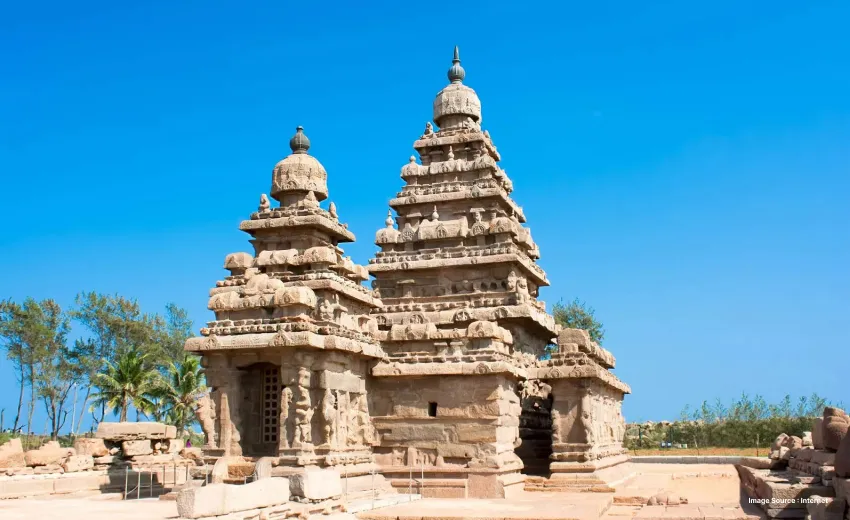
You can’t compare 2 hindu temples. As they look nothing alike, but what you may not realise is that, despite the uniqueness, they all follow the same architectural guidelines; these are called the Vastu Shastra and the Agama Shastra. There are traditional texts that outline everything from where a simple temple should be built to deciding the height of the tower. The result in turn is that the style of architecture feels both deeply intentional and surprisingly alive.
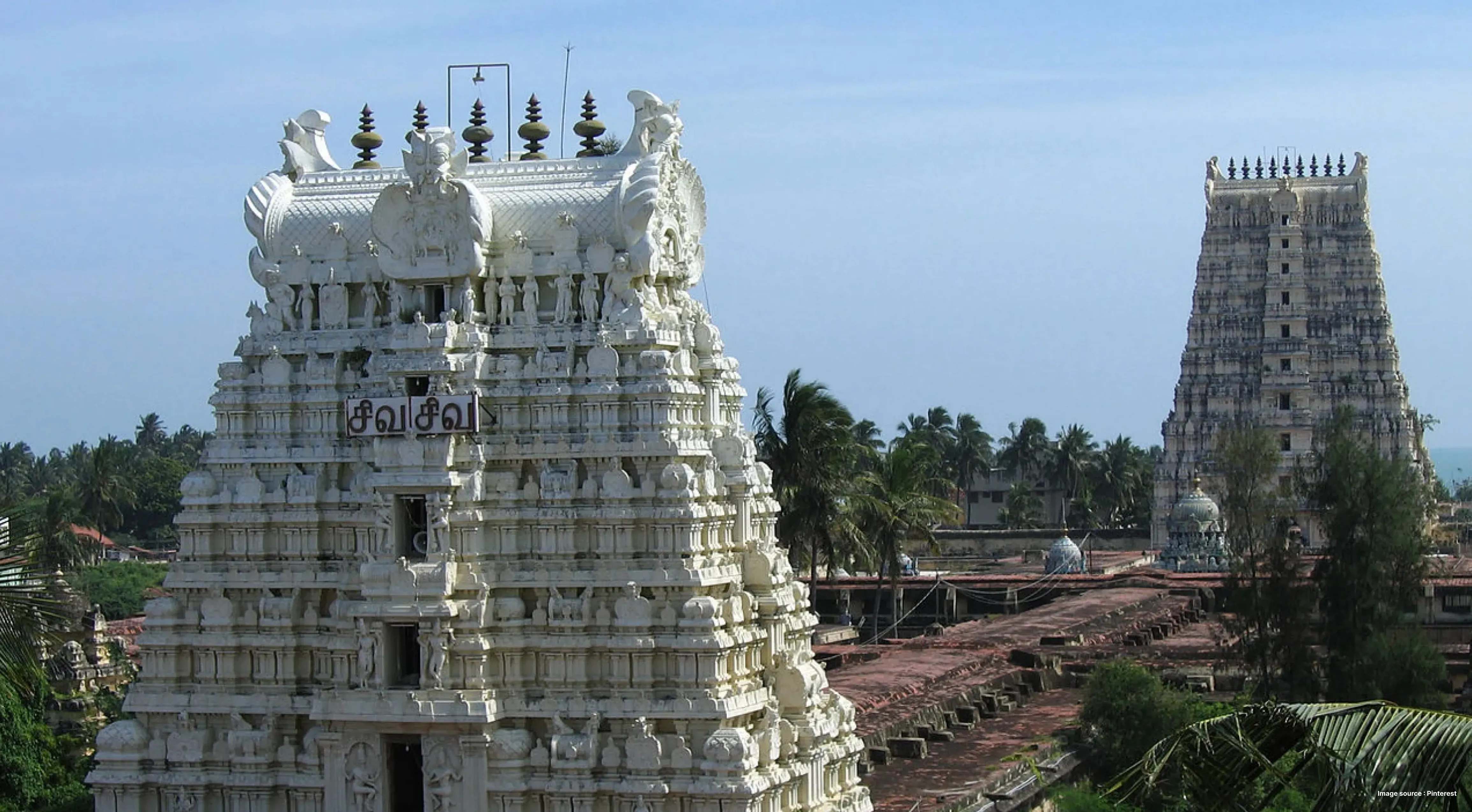
The most prominent feature of a Hindu temple is the Shikhara; this is the tallest tower that rises above the main shrine. The tower is not just decorative; it is meant to represent Mount Meru, which in Hindu belief is the centre of the universe and home of the gods. When you’re standing underneath it, look up; this effect is genuinely striking.
Hindu temples are always oriented towards the east; the first light of the sunrise enters the main shrine. This was a deliberate choice made thousands of years ago, and it still holds today.
Hindu temples are also almost always oriented toward the east, so that the first light of the sunrise enters the main shrine. This was a deliberate choice made thousands of years ago, and it still holds today. The entrance, the halls, the inner sanctum, and the tower are all laid out along a single east-west axis, giving the whole structure a sense of direction and purpose that you can actually feel when you walk through it.
TL;DR: Hindu temple architecture follows ancient texts that govern everything from the building's orientation to the height of its tower.
The Hidden Mathematics in Temple Gopurams and Shikharas
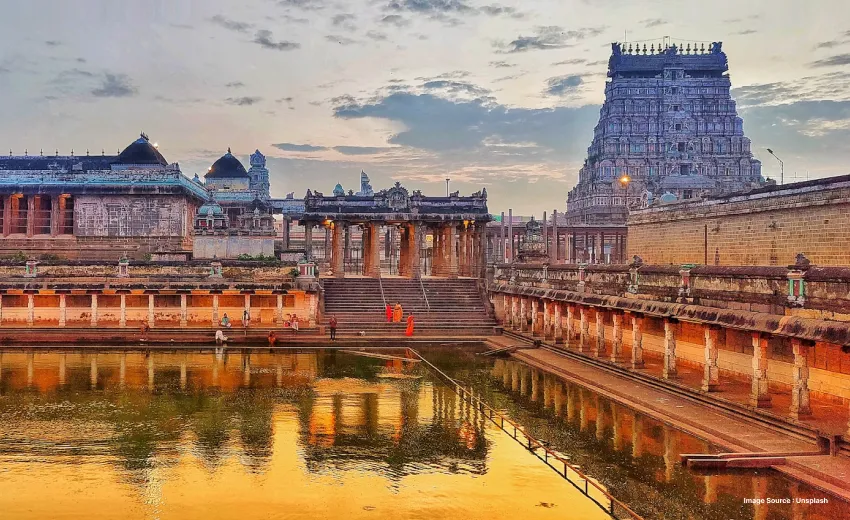
Looking closely at the temple tower, you’ll be able to observe that the temple is not in a simple shape. The surface tends ot be covered in rows of smaller figures and forms that repeat and continue to grow upwards as they rise. These actions aren’t random in nature at all and, in fact, tend to be quite intentional; this follows a concept known as fractal geometry. Where a pattern finds itself repeating at different scales to create a whole. Modern mathematicians have studied Hindu temples and have found that ancient builders understood and applied these principles way before the concept even derived from a formal name.
The largest gateway tower, which is found at the temples in the south of India, these work in a similar manner; the temples reach upto about 200ft, they are covered in thousands of sculpted figures arranged in precise geometric rows. The proportions of these structures utilised in these carvings follow ratios that appear continuously in nature, which can be seen as concurrent to the golden ratio.
What makes this concept even more fascinating is that the builders didn’t have computers or modern tools to make these things ahcieivable, they worked from old texts and oral traditions were passed through generations of craftsmen called Sthapatis, the precision was visible in their work, even today, temples that are over a thousand years old say a lot about how advanced the understanding of mathematics and architectural structure was back then and how much it holds up even today.
TL;DR: The towers and gateways of Hindu temples use fractal geometry.
India's Most Iconic Temples and Their Histories
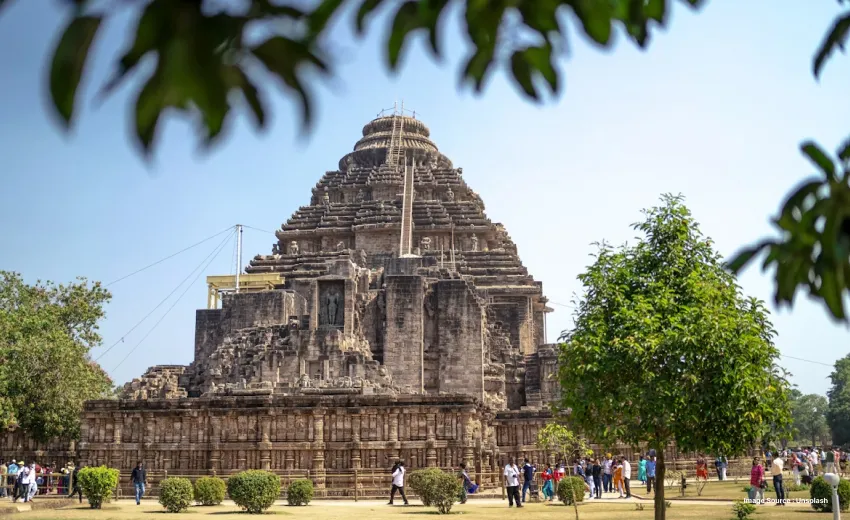
The many temples of India stand out because of their scale, age, as well as their cultural importance. The Brihadeshwar temple in Thanjavur, Tamil Nadu, was built around 1010CE, the main tower of which was made from a single piece of granite that only weighs about 80 tons. Nobody is completely aware of how it was lifted into that space and took its place.
The Konark Sun Temple in Odisha is built in the shape of a giant chariot; it has 24 carved wheels, each of which also functions as a sundial. The Meenakshi Amman temple in Madurai has 14 Gopurams and over 33,000 scriptures. The Kashi Vishwanath temple in Varanasi is one of the most visited religious sites in the world and sits on the banks of the Ganges River.
For travelers interested in learning more about these sites before they visit India, the Smithsonian Institution offers a solid collection of resources on South Asian Art and architecture. That may be worth checking out before your trip.
Why Temple Rituals Are Rooted in Proven Science
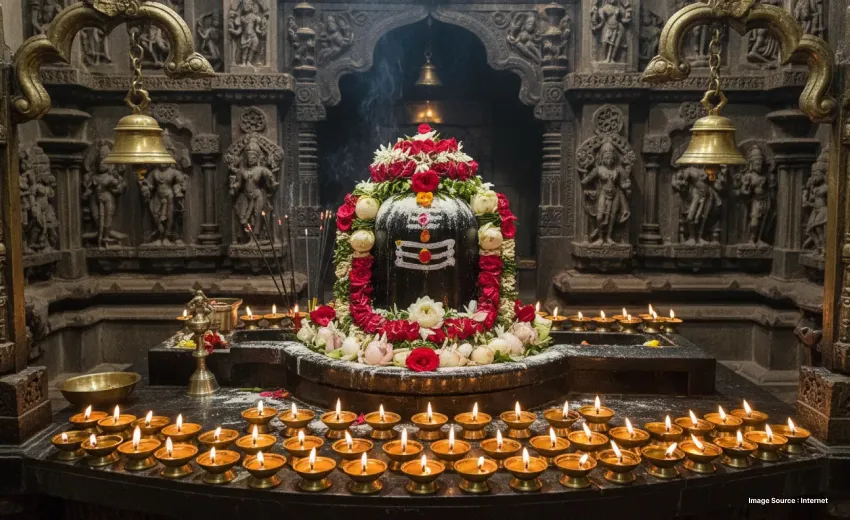
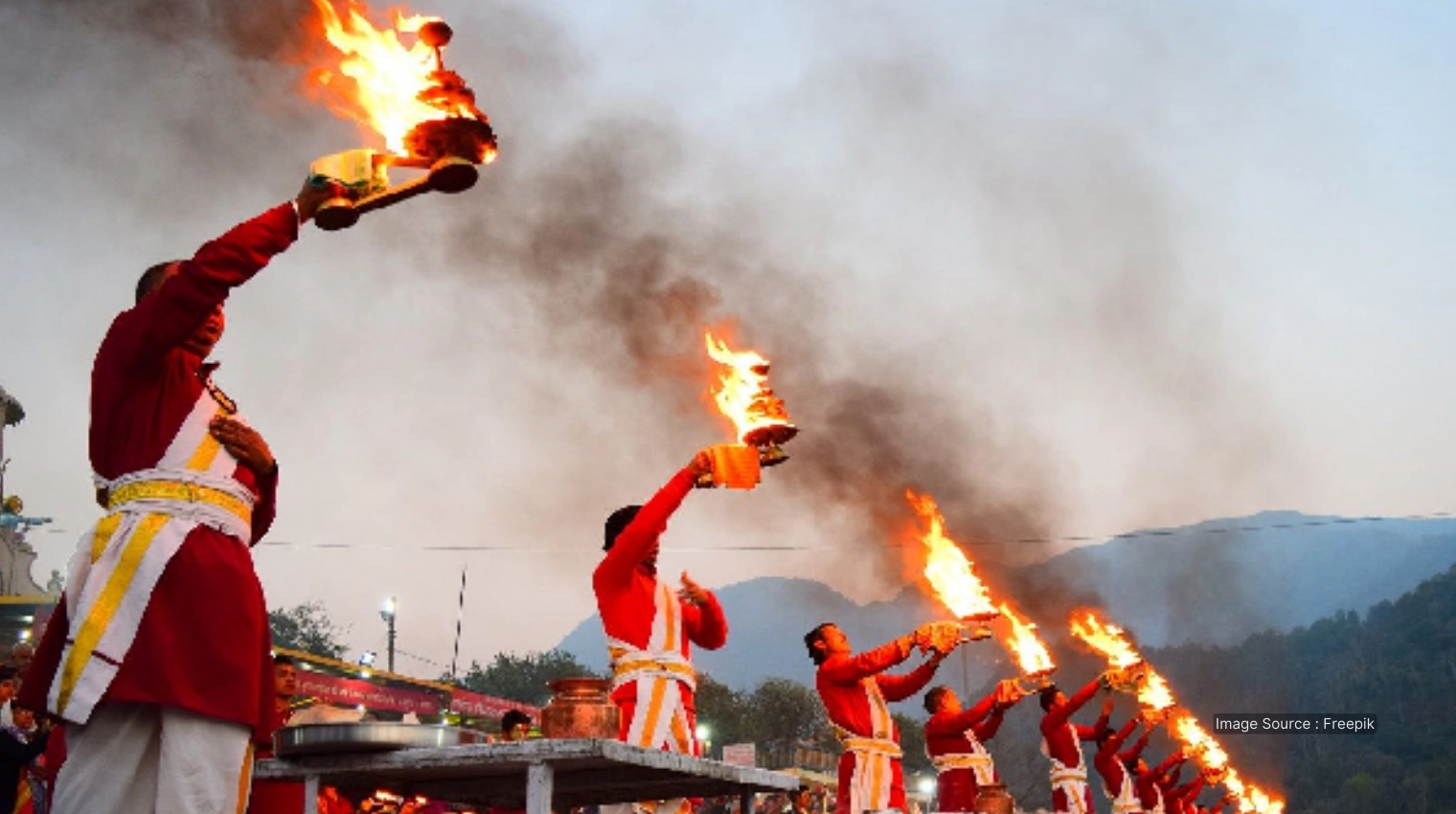
These temples are grounded in tradition and rituals; one thing that tends to shock visitors is how sensory immersing yourself in that experience tends to be. You begin in the calm smoke of the incense, the sound of bells, the warmth of oil lamps, and often the vibration of chanted mantras filling the air; none of these things are accidental.
Then you’re welcome into the temple by the chimes of greeting bells, the warmth of diyas, and the reverberating vibration of mantras being chanted to fill the air with solace and prosperity; all of these behaviours surrounding you are intentional in nature.
The incense burned during these rituals carries antibacterial properties with them; Camphor in particular has been shown to purify the air in enclosed spaces. Other spices which are used during the ritual, such as turmeric, also have documented health benefits; you can read more about the intersection of traditional practices and modern wellness research through resources like the National Institutes of Health.
What Each Zone of a Temple Symbolizes Spiritually
A Hindu temple can be treated as the map of a universe; as soon as you walk in you’re greeted with a boundary towards the inner sanctum. It’s designed for you to keep moving from the material world and a nudge towards the divine. Each zone that you go through represents a milestone that you’ve achieved in life.
The boundary on the outer wall is representative of the edge of the known world, the entrance hall is known as the Mandapa, this is usually where the community comes together and where you start to retreat from the outside world, as you move further in these temples, the lights get dimmer and sounds get quieter, you move in towards the Garbhagriha which translates to the womb chamber, you find yourself in a small dark enclosed space this is meant to feel like you’re returning to the origin of things.
The deity which can be found inside the Garbhagriha is often only lit by the flame of a single diya; this experience is intentionally immersive with a tinge of intimacy. The sensory richness of the outer areas, the stillness of the inner sanctum feels like a full stop. Several visitors, regardless of their innate beliefs, find this to be a transition which is quite moving.
FAQs
1. Do I need to be Hindu to visit a Hindu temple near me?
No. Most Hindu temples in the United States welcome visitors of all backgrounds and faiths.
2. What should I wear when visiting a Hindu temple?
Modest clothing is the standard. Cover your shoulders and knees if possible.
3. Is there a cost to enter a Hindu temple?
Most Hindu temples in the US do not charge an entry fee.
Plan your bespoke india journey today
tell us what inspires you - and we will handcraft an experience that mirrors your elegance, pace & personality.
START PLANNINGBlogs Categories
It is a Sanskrit verse taken from an ancient Bharat (Indian) scripture
which means ‘The Guest is like God’.
In Bharat (India), guests are always welcomed with open arms and given
WANDER INDIA
Your go-to guide for exploring the best of India.

FESTIVALS OF INDIA
Festive Flavours
INDIAN HERITAGE
An enticing showcase of India’s glorious 5,000 year old history & heritage.

SACRED SPIRITUAL JOURNEYS
Discover what gives India the mystics that the world adores

TRAVEL TALES
Make the simplest of journeys unforgettable with hidden gems tours & extravagant stays.
You Will Like These Too...
It is a Sanskrit verse taken from an ancient Bharat (Indian) scripture
which means ‘The Guest is like God’.
In Bharat (India), guests are always welcomed with open arms and given





TRAVELOSEI PROMISE
What To Expect?

The Real India,
Re-Imagined For You
India is not just a destination - it's a world with-in the world. TRAVELOSEI go far beyond guide-books to offer you an India that is authentic yet exclusive, spiritual yet sophisticated delivered through private doors, rare access, and impeccable attention to details.

Trusted By Global Elites
From World Class Leaders to Forbes Listed Families and international Royalties to
visionary CEOS.
Our clientele chooses us for one reason - We Know India. Over two decades of providing
experiences which aren't just luxurious - they are intimate, curated & wildly rare.

Bespoke Travel Experience
For those who seek truth in detail, art in hospitality, and identity in experience. Our Luxury Travel Architect work discreetly and personally with you to craft travel experiences that go beyond 5 Stars, where every detail whispers luxury - and legacy.

White-Glove Concierge
24 X 7 Dedicated Concierge Support even in the wildest corners of India. At TRAVELOSEI, our concierge team ensures that everything-from airport- tarmac pick-ups, last minute reservations and private spiritual sessions - is handled before you even ask.


