
Last Updated : May 07, 2026 | Author : Nishant Rana | View Count : 1099 | Read Time : 6 min
The Most Unique Indian Traditions That Are Lessons to the World
India is not just a country on a map; it is a way of living. breathing anthology of The Indian tradition. With more than 5,000 years of recorded history, the subcontinent has been cultivating some of the most vibrant, meaningful, and enduring cultural practices on earth. Each Indian traditions listed here is more than a ritual itself; it is a philosophical statement to learn, a bond in community, and a piece of living heritage. Whether you are a curious traveller, a cultural enthusiast,or just a human, these customs will remind you why Indian traditions continues to mesmerise and impact the world.
Why does Indian traditions feel so alive compared to other ancient cultures?
Indian traditions never became a museum piece. It stayed in the home, in the kitchen, in the morning routine. The same rituals that are thousands of years old are still being practiced today, not out of obligation but out of genuine belief. That kind of continuity is almost unheard of anywhere else in the world.
The Greeting – Namaste
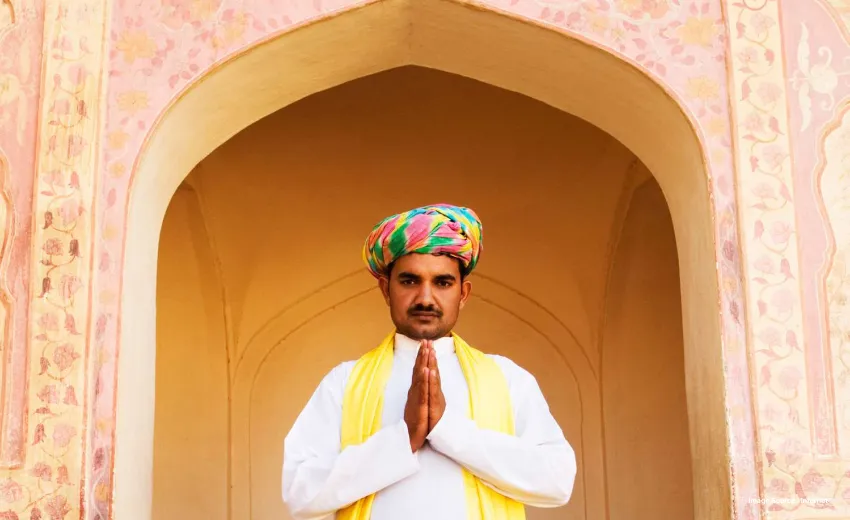
A gentle bow with both palms pressed together, and a subtle chant, Namaste. That is how we greet everyone and, Namaste is perhaps the most universally recognised symbol of Indian culture. Derived from Sanskrit, one of the oldest languages in history, the word means "I bow to the divine in you." It acknowledges the soul in the other person and authorises them, transcending social hierarchy. Unlike a handshake, Namaste requires no physical contact, making it timeless, hygienic, and profoundly spiritual. Today, the world has adopted this gesture in yoga studios and wellness circles, but in India it remains an everyday act of reverence — a living example of The Indian tradition at its most elegant.
Atithi Devo Bhava – “Guest is God”
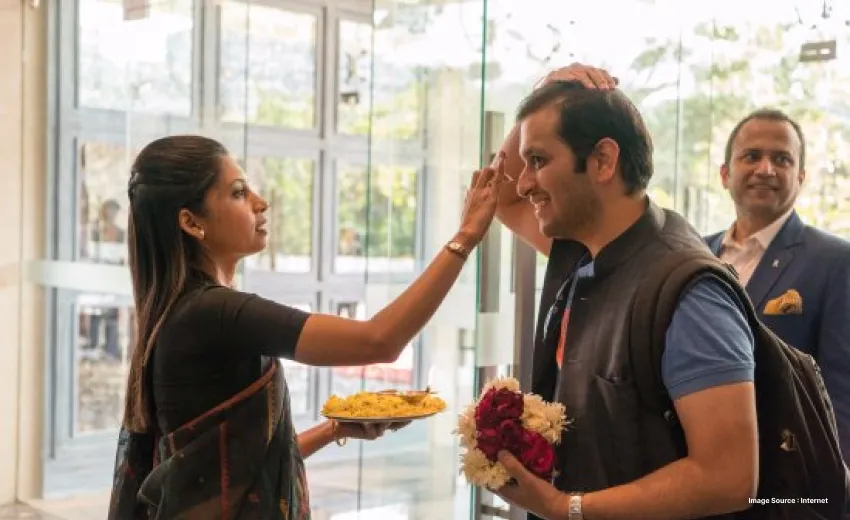
The meaning of this ancient Vedic saying from ancient India is that “the guest is god.” The practice of welcoming guests is understood as legendary. The visitor is first served sweets and water as well as hot food before being asked any questions. Houses are cleaned to welcome the guests. The best bed is arranged for the guest, and as a sign of devotion, the host never eats before the guest. It is more than just good manners, but rather an Indian traditions of hospitality.
Kolam & Rangoli – Beautifying Entrances
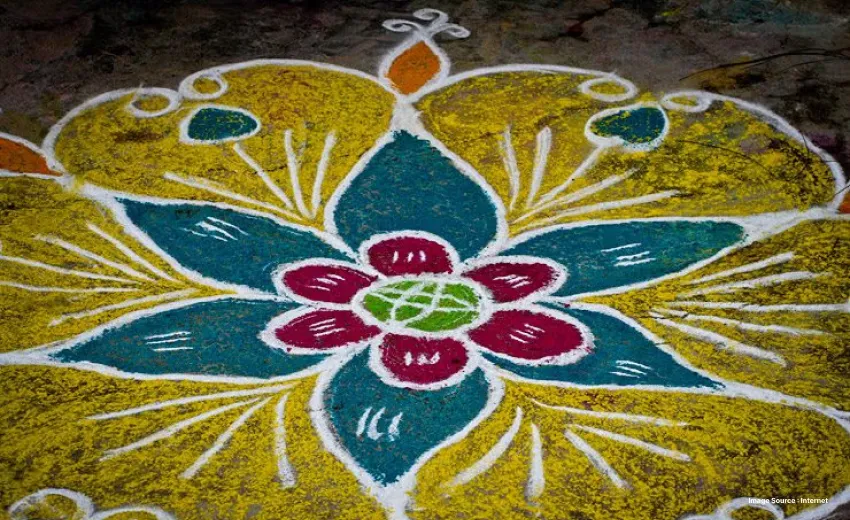
Kolam is an art form practised in South India by women of the house. Every dawn in South India, women wake before sunrise to draw beautiful geometric patterns — Kolam — on the threshold using rice flour. In the North, practice is performed with variations of Rangoli, a festive art form drawn with vibrant coloured powders on the floor. These are not mere decorations; they are prayers in visual form. Rice flour feeds ants and insects, reflecting India's deep respect for ecology. The patterns — stars, lotuses, peacocks — are passed from mother to daughter, making this Indian traditions a living inheritance of extraordinary beauty.
Dining on a Banana Leaf
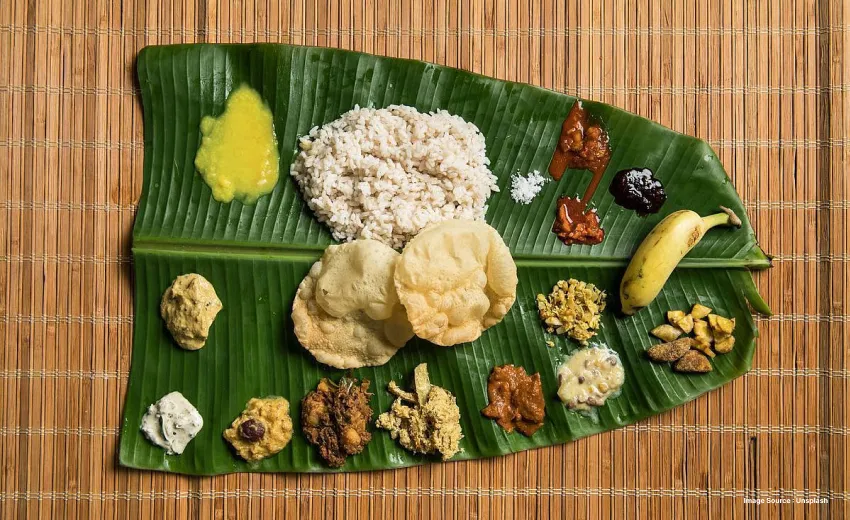
In South Indian states like Kerala, Tamil Nadu, and Karnataka, meals, especially grand feasts called Sadhya, are served on a pristine banana leaf. No plate, no cutlery: just nature's own platter. because the leaf is antiseptic in nature and helps keep food safe , adds a rich flavour, and is 100% biodegradable, which makes it eco-friendly. The placement of each dish on the leaf follows a precise, centuries-old arrangement: rice at the centre, sweets on the left, chutneys at the top. After the meal, there is a closing gesture to the leaf, which is folded inward as a sign of gratitude and satisfaction with food.
The Divine in Animals
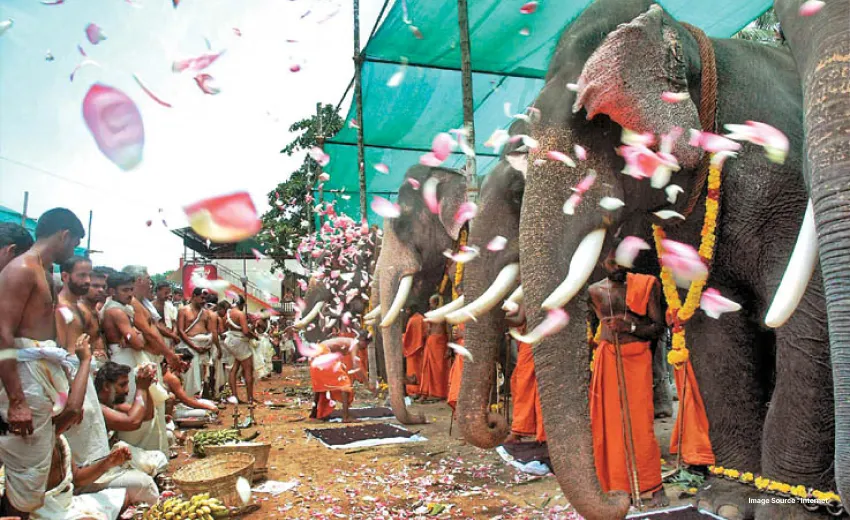
In India, animals are not just creatures; they are divine symbols and spiritual messengers, adding to the Indian traditions rooted in the idea that the divine exists in every form of life. The cow — Gau Mata,treated as mother, is India's most sacred animal, symbolising abundance, non-violence, and the nurturing earth. But it is not limited only to cows. Elephants are considered divine as forms of Lord Ganesha and anchor temple processions. Snakes are worshipped during Nag Panchami, a festival devoted especially to serpents, and they are treated with milk and prayers to symbolise fertility and cosmic power. The peacock, India's national bird, is associated with Lord Murugan, the god of war and victory. Monkeys are venerated as kin of Lord Hanuman, and they are fed and protected near temples. Even crows receive offerings during the Pitru Paksha fortnight, as they are believed to carry the souls of ancestors.
A Herbal Art Form – Mehndi (Henna)
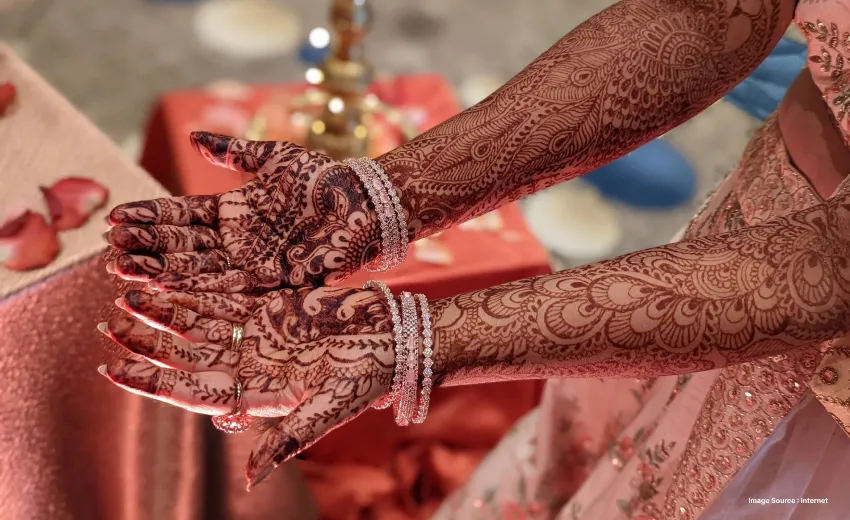
Mehendi is the application of henna paste made from dried and powdered leaves of the Lawsonia inermis plant to the skin, creating temporary reddish-brown coloured designs often practised at weddings, festivals like Eid and Karva Chauth. Mehendi is far more than body art; it is a romantic belief. The deeper the colour that develops on a bride's hands, the deeper the love of her future husband — or so the tradition holds. Henna also has Ayurvedic significance: it cools the body, calms nerves, and eases pre-wedding anxiety. Designs range from delicate Rajasthani florals to bold Mughal geometrics, each region bearing its own distinct artistic vocabulary.
Vallam Kali – The Fascinating Snake Boat Races
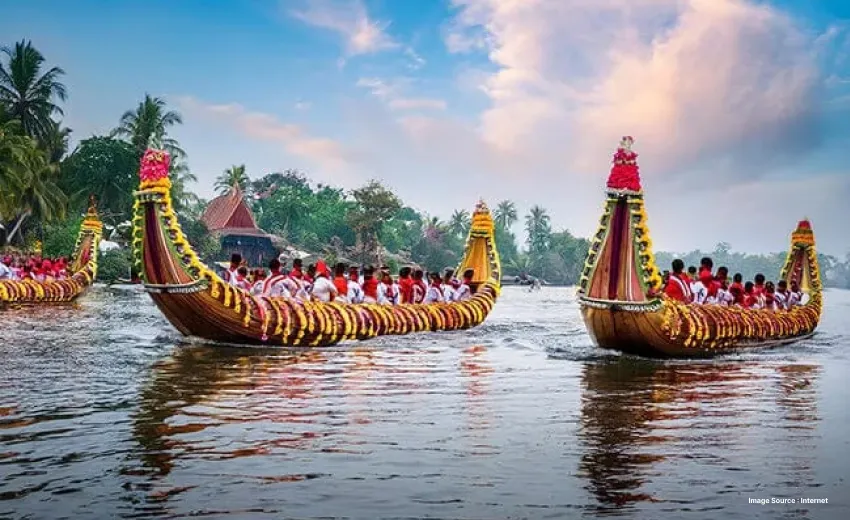
Kerala's Vallam Kali, or snake boat race, features massive ornately decorated boats stretching up to 100 feet with hoods shaped like a cobra , one of the world's most spectacular aquatic spectacles. Crews of over 100 oarsmen row in perfect rhythm to the thunderous beat of Vanchipattu — the boat song. Held on the backwaters during Onam, the harvest festival, this is a rare Indian traditions that blends athletic prowess, community spirit, and cultural pride. The Nehru Trophy Boat Race, held on Punnamada Lake in Alappuzha, is the crown jewel of Vallam Kali events. Named after India's first Prime Minister, Jawaharlal Nehru, who was deeply moved by the race when he witnessed it, it now draws thousands of spectators and tourists from around the world.
Fasting – The Discipline of Devotion
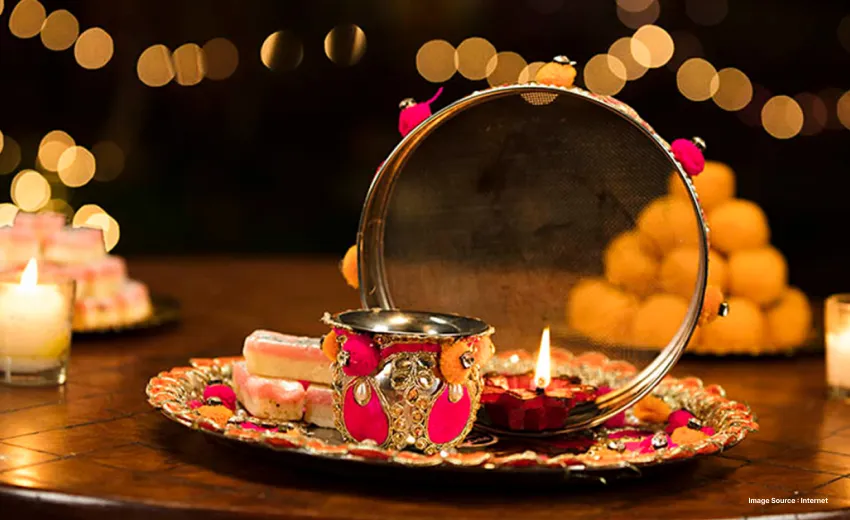
Fasting in India, known generally as vrat or roza (in Islamic tradition), is practised in almost every religion and community in India. Many Hindus fast on Ekadashi (11th day of the lunar fortnight ), Mondays for Lord Shiva, and Navratri, a nine-night festival devoted to the goddess Durga. Muslims observe Ramadan, a full month of fasting from dawn to sunset,considered one from five pillars of Islam. Jains practice Paryushana,one of the most intense fasting traditions involving a strict diet for eight to ten days. Fasting is not superficial; it is a re-centring of the body and spirit, a practice of gratitude and self-mastery. Modern science has caught up with what these ancient traditions intuitively understood. Research into intermittent fasting confirms real, measurable benefits: from metabolic health (blood sugar regulation,weight management) to mental clarity.
TL;DR: Practiced across Hinduism, Islam, and Jainism alike, fasting in India is a shared spiritual discipline that modern science is only beginning to fully understand.
Hawan — The Sacred Fire Ritual
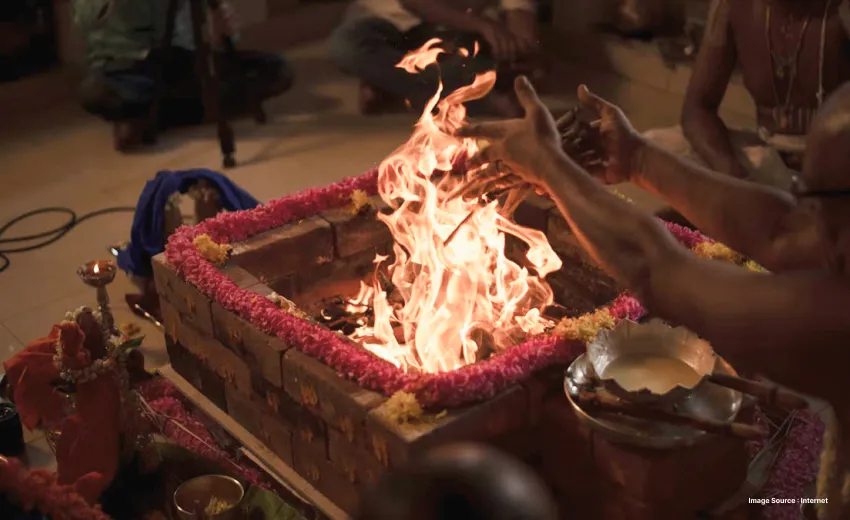
Hawan is one of India’s oldest rituals, where a sacred fire is lit in a clay pit, and offerings of ghee, grains, and herbs are made while Vedic chants fill the air. The fire is believed to carry prayers upward and purify the space around it — and science agrees to an extent, with research showing that burning certain herbs releases compounds that cleanse the air of harmful bacteria. Performed at weddings, housewarming ceremonies, new beginnings, and daily morning prayers in devout homes, the Hawan marks every important moment of Indian life.
What makes a Hawan more than ritual is the atmosphere it creates. The warmth of the fire, the scent of sandalwood and camphor, and the rhythm of chanting combine to bring an entire gathering into a shared moment of calm and intention. In a country as vast and diverse as India, the Hawan cuts across regions and communities — a thread of smoke rising from a village courtyard or a city rooftop, connecting the everyday to something much older and larger than itself.
Yoga — The Science of Inner Union
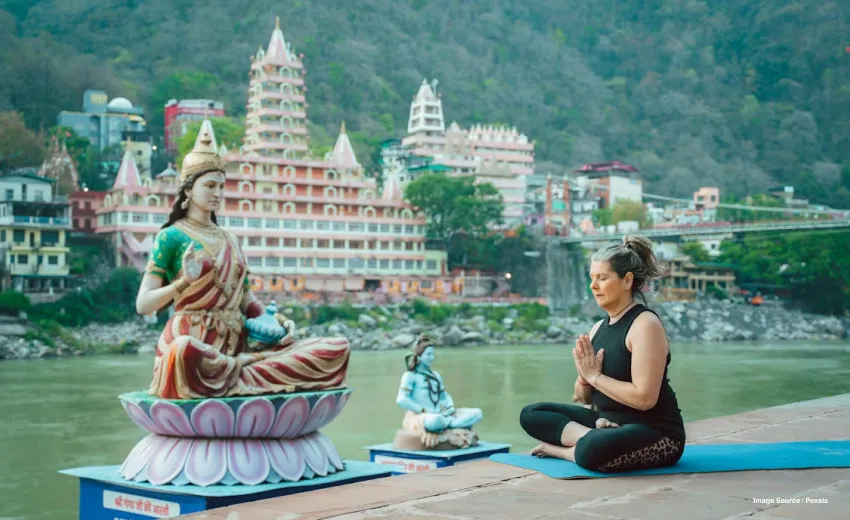
Originating over 5,000 years ago in the subcontinent itself, Yoga is India's most globally recognised gift to humanity. The word itself — from the Sanskrit yuj — means to yoke or unite, pointing to its deepest purpose: the union of body, mind, and spirit. What the world largely knows as yoga — the practice of asanas, or physical postures — is only one of its eight limbs, as codified by the sage Patanjali in the Yoga Sutras. The full tradition encompasses breath control (pranayama), ethical living (yamas and niyamas), sensory withdrawal, and deep meditation leading to samadhi — a state of luminous stillness. In India, yoga is not a fitness class; it is a complete philosophy of being. Practiced in ashrams, at river ghats at dawn, and passed from guru to student in an unbroken lineage, it remains one of the most profound and living expressions of Indian civilisation. In 2016, UNESCO inscribed Yoga on its Representative List of the Intangible Cultural Heritage of Humanity — recognition that this ancient Indian traditions belongs, in spirit, to all of humankind.
TL;DR: Yoga is a 5,000-year-old science of the self that billions actively practice every single day.
Frequently Asked Questions
1. What makes Indian traditions unique compared to other world cultures?
Indian traditions have survived thousands of years purely through community participation, not institutional enforcement. What makes them truly rare is that they are still practised daily — not preserved in museums but lived in homes and streets.
2. Are these Indian traditions observed across all regions of India, or are they region-specific?
Some traditions like Namaste and Yoga are practised from Kashmir to Kanyakumari, while others like Vallam Kali and Kolam belong to specific regions. Together, these regional and pan-Indian customs weave a single, extraordinarily diverse cultural fabric.
3. How are Indian traditions being preserved and passed on to younger generations today?
Families remain the primary vehicle — grandmothers teaching Kolam, mothers applying Mehndi, fathers taking sons to their first Dahi Handi. Digital India has added a new layer, with YouTube channels, Instagram communities, and UNESCO nominations keeping these traditions visible and alive.
Plan your bespoke india journey today
tell us what inspires you - and we will handcraft an experience that mirrors your elegance, pace & personality.
START PLANNINGTrending Travel Stories
Stay inspired with our most popular travel stories, practical advice, and must-read destination guides.
The Camping Gear Guide

Sea to Summit dry bag
Backpacking Sleeping Pad

Top 6 Places to Travel in December
Sacred Myths or Misunderstood Realities?
Discover the Taste of North India
.webp)
Namstey! From India
Visit Rome vs. Rajasthan
TRAVELOSEI PROMISE
What To Expect?

The Real India,
Re-Imagined For You
India is not just a destination - it's a world with-in the world. TRAVELOSEI go far beyond guide-books to offer you an India that is authentic yet exclusive, spiritual yet sophisticated delivered through private doors, rare access, and impeccable attention to details.

Trusted By Global Elites
From World Class Leaders to Forbes Listed Families and international Royalties to
visionary CEOS.
Our clientele chooses us for one reason - We Know India. Over two decades of providing
experiences which aren't just luxurious - they are intimate, curated & wildly rare.

Bespoke Travel Experience
For those who seek truth in detail, art in hospitality, and identity in experience. Our Luxury Travel Architect work discreetly and personally with you to craft travel experiences that go beyond 5 Stars, where every detail whispers luxury - and legacy.

White-Glove Concierge
24 X 7 Dedicated Concierge Support even in the wildest corners of India. At TRAVELOSEI, our concierge team ensures that everything-from airport- tarmac pick-ups, last minute reservations and private spiritual sessions - is handled before you even ask.


