
Last Updated : Jun 13, 2026 | Author : Nishant Rana | View Count : 3509 | Read Time : 7 min
The Only India Travel From USA Guide You'll Need Before Booking That Flight
India is receiving some serious tourism from American travelers these days, and honestly, this is not that surprising for a country that offers so much variety in a single trip: the food, the history, the architecture, and the terrains. But traveling to India is not the same as traveling to Europe, as there are a few things you have to sort out before even starting your journey, like visas, planning for long flights, preparing for cultural differences, and a lot of logistics that take quite some effort. But you do not have to worry anymore, as this india travel from usa guide covers everything you need to know before your trip.
Is an India travel from USA guide really necessary before planning your trip?
Honestly, yes. Traveling to India from the USA is a different kind of trip compared to most international travel Americans are used to. From visas and vaccinations to flight routes and cultural differences, there's quite a bit to sort out before you land. Having a solid india travel from usa guide in your corner makes the whole process feel a lot less overwhelming.
How to Find the Best Flights to India From the USA (And When to Book)
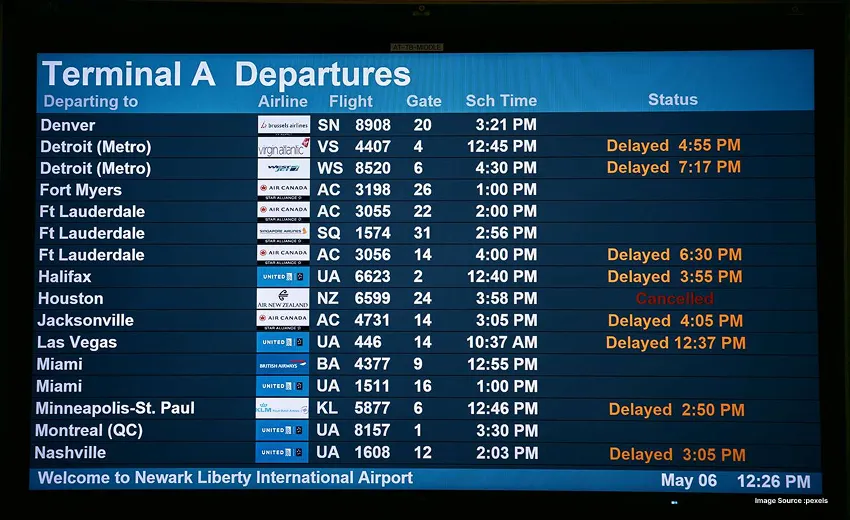
Flights from the USA to India take a while, typically between 14 and 22 hours depending on your city of departure and layovers. That said, direct flight services have recently started on some routes, so it is worth looking into those if saving time is a priority. If you opt for a connecting flight, you will usually stop at a Middle Eastern or Asian hub along the way.
Delhi, Mumbai, and Bangalore are the most common entry cities in India for American travelers. You should choose based on where you plan to start your trip. If you are heading toward Rajasthan or the Himalayas, go with Delhi. If you are heading for the coasts or the south, Mumbai or Bangalore makes more sense.
For pricing, booking 3 to 5 months in advance tends to get you the best deals. Round-trip tickets from major US cities usually run between $700 and $1,400 depending on the season and airline. Emirates, Qatar Airways, and Air India are among the most popular carriers for this route and generally get solid reviews for long-haul comfort.
TL;DR: Flights from the USA to India involve at least one layover and run 14 to 22 hours. Book 3 to 5 months out and aim to fly into Delhi or Mumbai depending on your itinerary.
Do Americans Need a Visa for India? Here's What You Need to Know
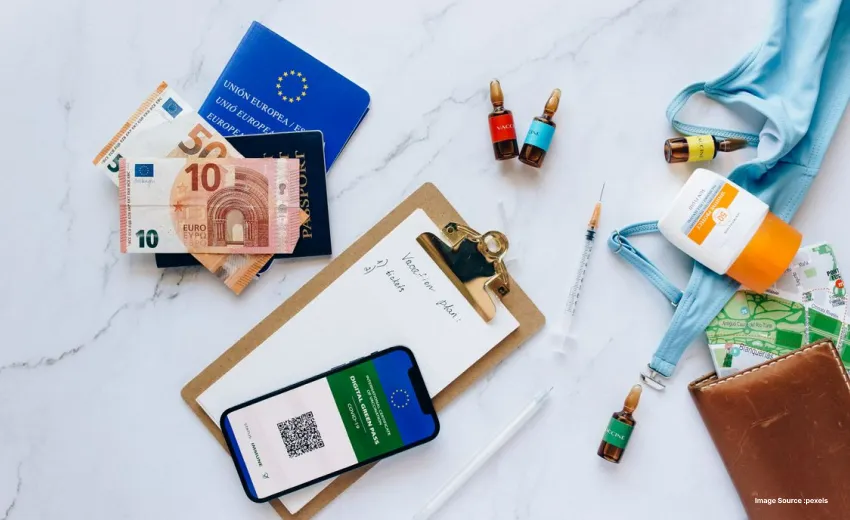
Yes, American travelers do need a visa to visit India, but the great news is that the process is not that much of a hassle. It is pretty straightforward, and there is an e-Visa option too, which means you can apply entirely online without visiting a consulate or mailing your passport anywhere.
There are a few types of e-Visas depending on your purpose: tourist, business, or medical. For most American travelers, the tourist e-Visa is what you need. It allows a stay of up to 90 days per visit and is valid for one year from the date of issue with double entry. The application is done through the official Indian government e-Visa portal, and the fee is currently around $25 for US citizens, though this can change.
Apply at least 4 to 7 days before your travel date, though giving yourself 2 weeks of buffer is smarter. You will need a valid US passport with at least 6 months of validity remaining, a recent passport-style photo, and a return ticket or onward travel proof. For the most current and accurate visa requirements, checking the US State Department's travel page at travel.state.gov is always a good idea before you apply.
Best Time to Visit India Based on Where You're Going

India is a very diverse country, and the best time to visit can vary depending on exactly where you want to explore. But in general, the sweet spot for first-time visitors is October through March. The weather is cooler, drier, and much more manageable compared to the intense heat of summer or the heavy rains of monsoon season.
If you are visiting Rajasthan, Goa, or the Golden Triangle (Delhi, Agra, Jaipur), October to February is ideal. For Kerala and the south, the winter months work well too. If you are drawn to the hill stations or want to see the Himalayas, late September through November offers clear skies and beautiful scenery.
Avoid traveling to most of India between April and June if you are not used to extreme heat. Temperatures in northern and central India can cross 110 degrees Fahrenheit during these months. The monsoon season from July to September brings relief from the heat but also flooding, humidity, and travel disruptions in many regions.
TL;DR: October through March is the best window for most first-time visitors. Northern and central India get dangerously hot in summer, and monsoon season brings its own set of travel challenges.
How Much Does a Trip to India From the USA Actually Cost?
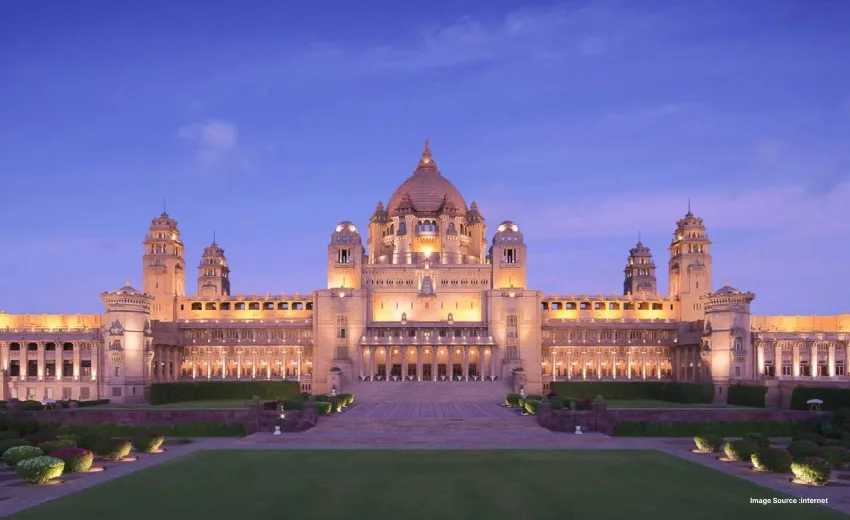
India is one of the most affordable long-haul destinations for American travelers, and the moment you land, every dollar goes much further than in most other parts of the world.
Budget travelers can get by on $30 to $50 a day, covering accommodation, meals, and local transport. Mid-range travelers spending on comfortable hotels, sit-down restaurants, and occasional guided tours typically spend $80 to $150 a day. If you are going the luxury route with heritage palace hotels and private drivers, $200 to $400 a day is a realistic range, and even that is significantly cheaper than comparable luxury experiences in Europe or Japan.
The biggest cost is almost always the flight. Once that is handled, most Americans are pleasantly surprised by how affordable everything else is. A full meal at a good local restaurant can cost $3 to $8. A comfortable private hotel room in a mid-range property often runs $40 to $80 per night. Internal flights between cities are also reasonably priced, often between $30 and $80 one way if booked in advance.
What to Pack for India as an American Traveler

Packing for India requires a bit more thought than your average trip. The climate varies widely across regions and seasons, so layering is key if you are visiting multiple areas.
Lightweight, breathable clothing is essential for most of the country. Linen and cotton fabrics work best. Modest clothing is also important, especially if you are visiting temples, mosques, or rural areas. Sleeveless tops and short shorts are fine at beach resorts but not appropriate at religious sites. Carrying a lightweight scarf or shawl is a practical move since it doubles as a cover-up and can also be useful in overly air-conditioned spaces.
Other things Americans often forget to pack include a money belt for keeping cash and cards safe in busy areas, a universal power adapter since India uses Type C and Type D plugs, a reusable water bottle with a filter since tap water is not safe to drink, and any prescription medications you need for the full duration of your trip since finding specific US brands in India can be hit or miss.
Getting Around India Once You Land
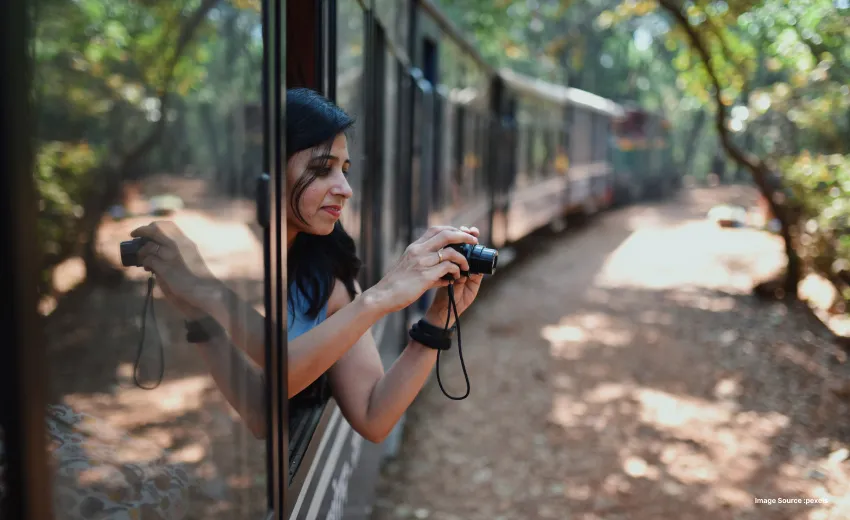
The transportation network in India is very well established, and getting around is very manageable once you have a good understanding of your options. For longer distances between cities, domestic flights are the fastest and most practical choice. Local airlines connect almost every major city, and tickets are affordable when booked ahead.
For a more immersive and iconic experience, India's train network is one of the largest in the world and worth using at least once. Booking train tickets can be done through the official IRCTC website, though the interface takes some getting used to. The Rajdhani and Shatabdi express trains are among the most reliable options for intercity travel.
Within cities, app-based ride services like Ola and Uber work well in most major urban areas and are much easier to navigate than haggling with auto-rickshaws when you first arrive. For day trips and sightseeing, hiring a local driver for the day is common, affordable, and genuinely convenient.
Culture and Etiquette Rules Every American Should Know Before Visiting
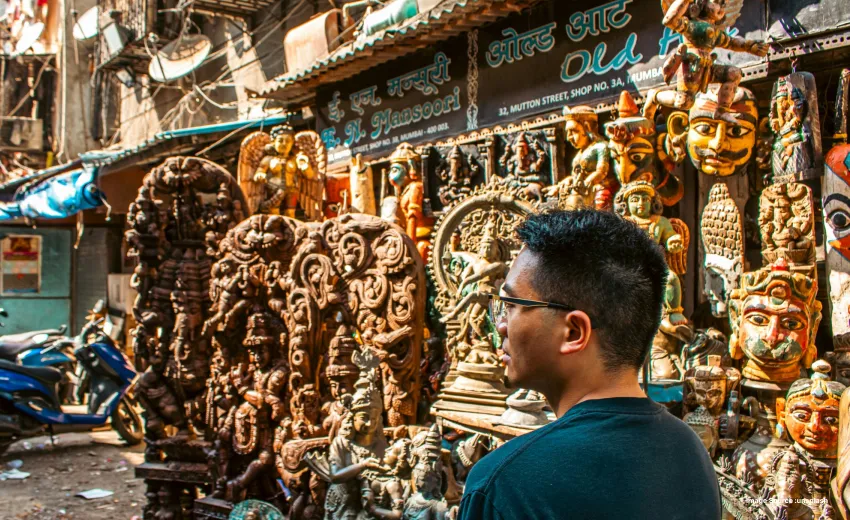
This might not sound that important, but many travelers overlook it. India has a rich set of cultural norms, and knowing them beforehand can improve your experience on the ground significantly.
Remove your shoes before entering temples, mosques, and many private homes. This is non-negotiable and expected everywhere. Use your right hand for eating, giving, and receiving things, as the left hand is considered unclean in many parts of India. Public displays of affection are generally frowned upon, particularly outside major cities.
Bargaining is normal and expected in markets and with auto-rickshaw drivers who do not use meters. Tipping is appreciated but not as rigidly structured as it is back home. A tip of 50 to 100 rupees for good service at a restaurant is perfectly appropriate.
Is India Safe for American Tourists? An Honest Breakdown
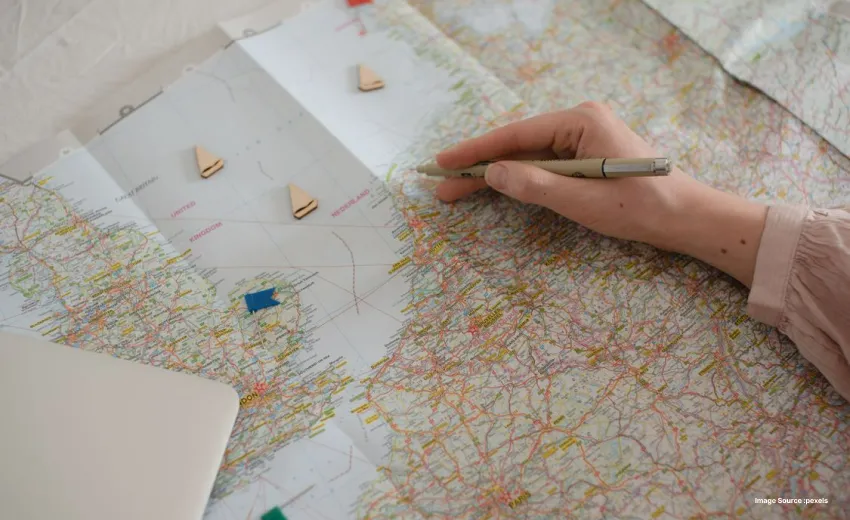
Millions of Americans visit India every year, and the vast majority report no serious issues. India is safe for tourists in most cases, but it is a complex country and being aware of your surroundings matters, especially in crowded tourist areas where petty theft and scams targeting foreigners can happen.
Stick to reputable accommodation, use trusted transportation, and be cautious about accepting unsolicited help from strangers near major landmarks. Solo female travelers should take extra precautions, particularly around night travel and unfamiliar neighborhoods. Traveling with a group or through a reputable tour operator adds a layer of comfort and security.
Health-wise, visit a travel medicine doctor at least 4 to 6 weeks before your trip. Vaccinations for typhoid and hepatitis A are commonly recommended for India. Malaria prevention may also be advised depending on your itinerary. Always drink bottled or filtered water and be cautious with street food until your stomach adjusts.
This india travel from usa guide is ultimately about helping you feel prepared, and safety awareness is a big part of that.
FAQs
1. Do I need any vaccinations to travel to India from the USA?
Yes, several vaccinations are commonly recommended. Typhoid, hepatitis A, and routine vaccines are standard. Depending on your itinerary, your doctor may also recommend malaria prevention medication. Visit a travel medicine clinic at least 4 to 6 weeks before your departure date.
2. Can I use my US credit card in India?
Yes, credit cards are accepted at most hotels, larger restaurants, and shopping centers in major cities. However, cash is still king in smaller towns, local markets, and rural areas. Carry a mix of both and withdraw rupees from ATMs once you land rather than exchanging at the airport where rates are poor.
3. How many days should I plan for a first trip to India from the USA?
A minimum of 10 to 14 days is recommended to make the long flight worthwhile and to actually experience more than one region. Three weeks gives you a much more comfortable and well-rounded trip without feeling rushed.
4. Is the language barrier a problem for American travelers in India?
Not significantly. English is widely spoken in hotels, restaurants, tourist areas, and urban centers across India. It is one of the country's official languages and most people working in tourism are comfortable communicating in English.
5. What is the time difference between the USA and India?
India Standard Time is 9.5 hours ahead of US Eastern Time and 12.5 hours ahead of US Pacific Time. India does not observe daylight saving time, so the gap shifts slightly depending on the time of year. Jet lag is real on this trip and worth planning for in your first couple of days.
Plan your bespoke india journey today
tell us what inspires you - and we will handcraft an experience that mirrors your elegance, pace & personality.
START PLANNINGBlogs Categories
It is a Sanskrit verse taken from an ancient Bharat (Indian) scripture
which means ‘The Guest is like God’.
In Bharat (India), guests are always welcomed with open arms and given
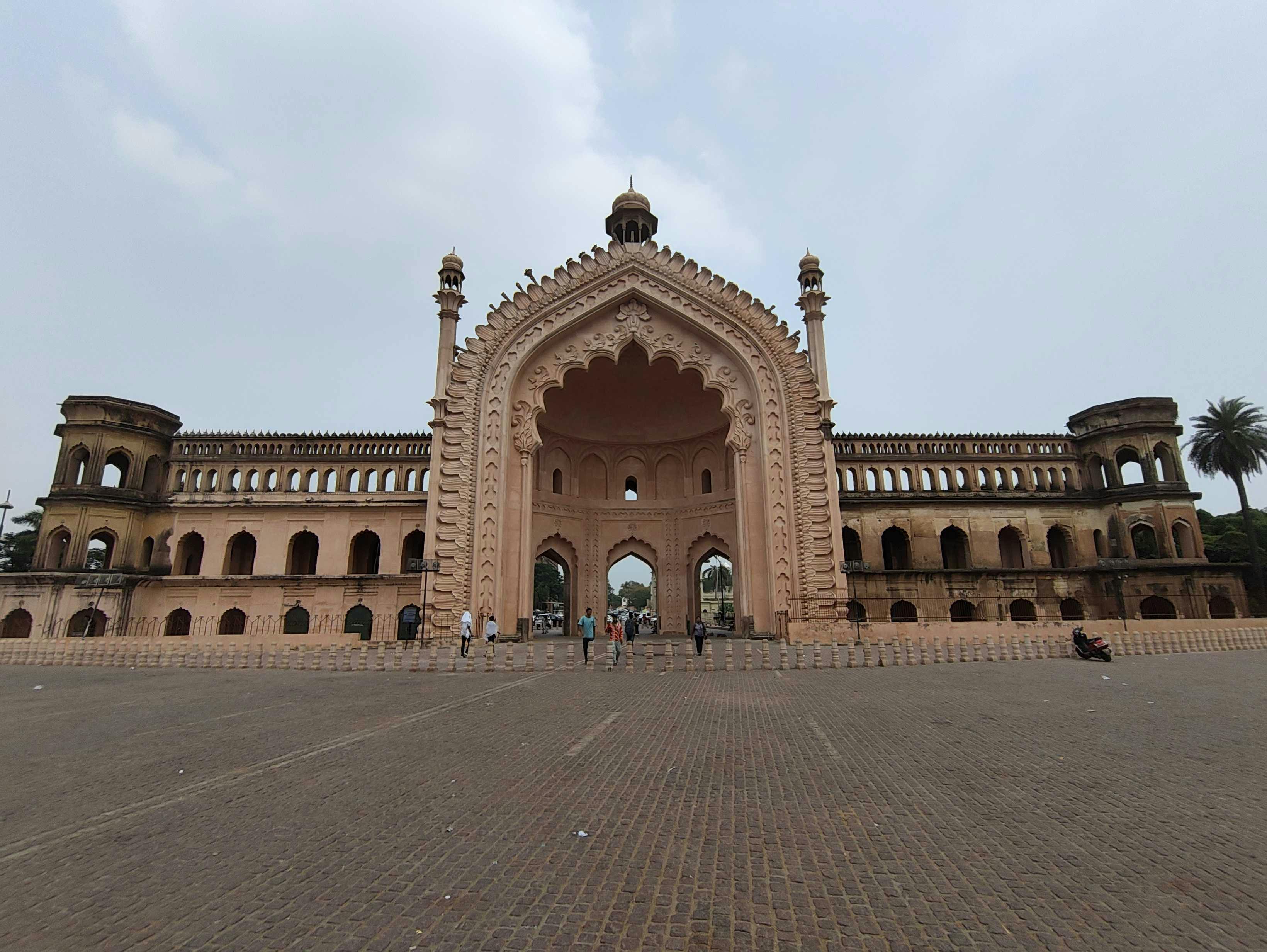
WANDER INDIA
Your go-to guide for exploring the best of India.

FESTIVALS OF INDIA
Festive Flavours
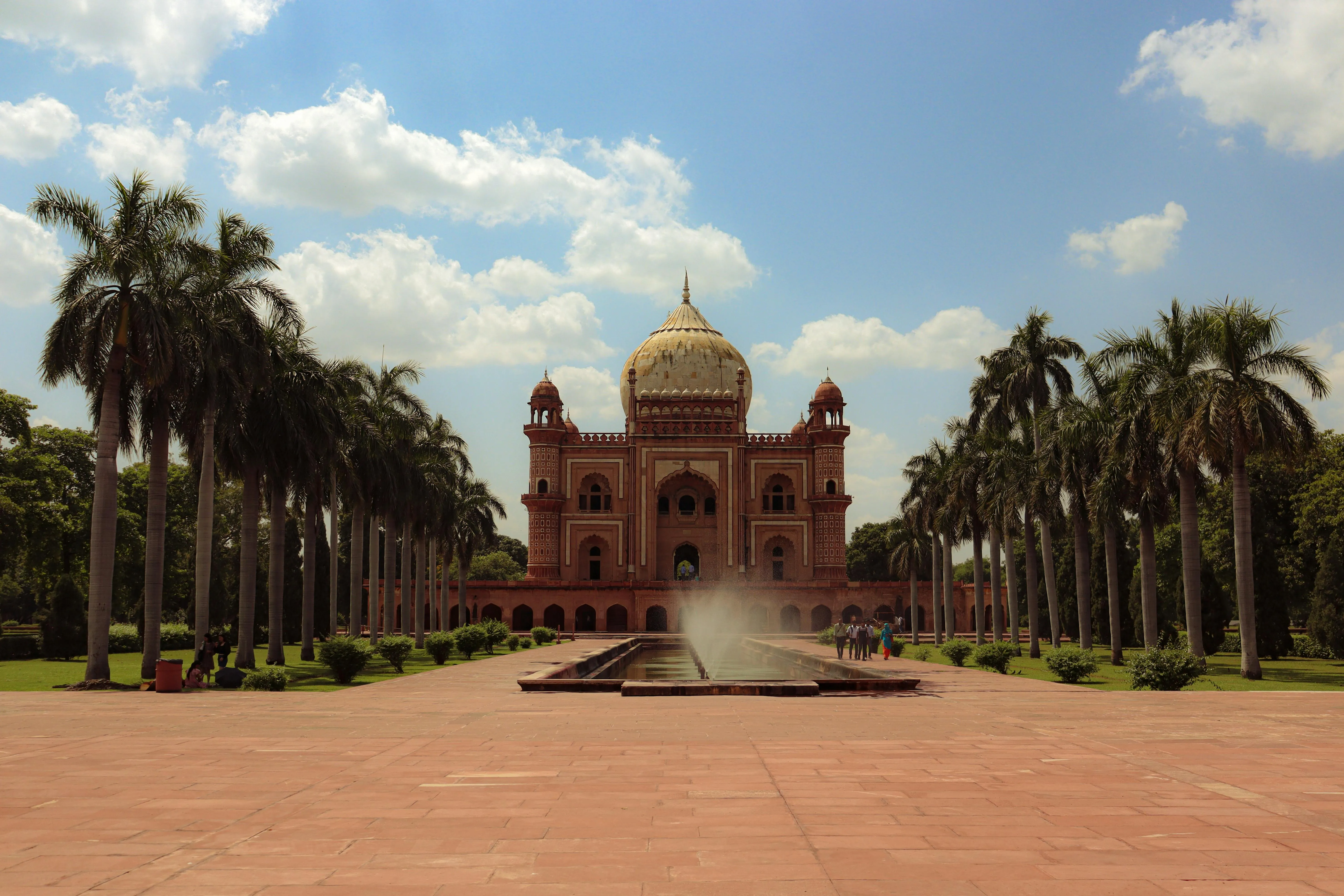
INDIAN HERITAGE
An enticing showcase of India’s glorious 5,000 year old history & heritage.
SACRED SPIRITUAL JOURNEYS
Discover what gives India the mystics that the world adores

TRAVEL TALES
Make the simplest of journeys unforgettable with hidden gems tours & extravagant stays.
You Will Like These Too...
It is a Sanskrit verse taken from an ancient Bharat (Indian) scripture
which means ‘The Guest is like God’.
In Bharat (India), guests are always welcomed with open arms and given



TRAVELOSEI PROMISE
What To Expect?

The Real India,
Re-Imagined For You
India is not just a destination - it's a world with-in the world. TRAVELOSEI go far beyond guide-books to offer you an India that is authentic yet exclusive, spiritual yet sophisticated delivered through private doors, rare access, and impeccable attention to details.

Trusted By Global Elites
From World Class Leaders to Forbes Listed Families and international Royalties to
visionary CEOS.
Our clientele chooses us for one reason - We Know India. Over two decades of providing
experiences which aren't just luxurious - they are intimate, curated & wildly rare.

Bespoke Travel Experience
For those who seek truth in detail, art in hospitality, and identity in experience. Our Luxury Travel Architect work discreetly and personally with you to craft travel experiences that go beyond 5 Stars, where every detail whispers luxury - and legacy.

White-Glove Concierge
24 X 7 Dedicated Concierge Support even in the wildest corners of India. At TRAVELOSEI, our concierge team ensures that everything-from airport- tarmac pick-ups, last minute reservations and private spiritual sessions - is handled before you even ask.


