
Last Updated : Jun 16, 2026 | Author : Tia | View Count : 217 | Read Time : 7 min
Royal Bengal Tiger Vs Siberian Tiger: The Ultimate Battle of the Wild's Two Greatest Predators
A mere number of animals command the respect on this planet that tigers do; they’re powerful, graceful, and voracious creatures, built to survive the world’s harshest environments, and they’ve only evolved to be stronger than ever. When boiling it down to the most ferocious tiger, the Royal Bengal Vs. Siberian tiger is brought up, travelers and wildlife lovers alike have always wondered which one takes the crown between the two of them. These two are the largest subspecies of tigers alive today; comparing them goes beyond mere size or strength or even power in the midst of nature's forces. This blog will dive deeper into the heritage, habitat, survival, and what makes each of these creatures so uniquely brilliant. If you’ve ever dreamt of seeing a tiger in the wild, this guide will walk you through everything you need to be aware of before you take that first step.
Which is stronger, the Royal Bengal Tiger or the Siberian Tiger?
This debate is one that’s been argued for years. The Siberian, although having a slight size advantage, tends to take the cake when it comes to bringing in raw agility, sharper instincts in dense terrain, and a much larger hunting record. This makes the comparison quite far from being one-sided; both of these animals have extraordinary abilities, and the answer truly depends on how you would define stronger.
Origins and Natural Habitats: Where the Jungle King and the Frost Giant Call Home
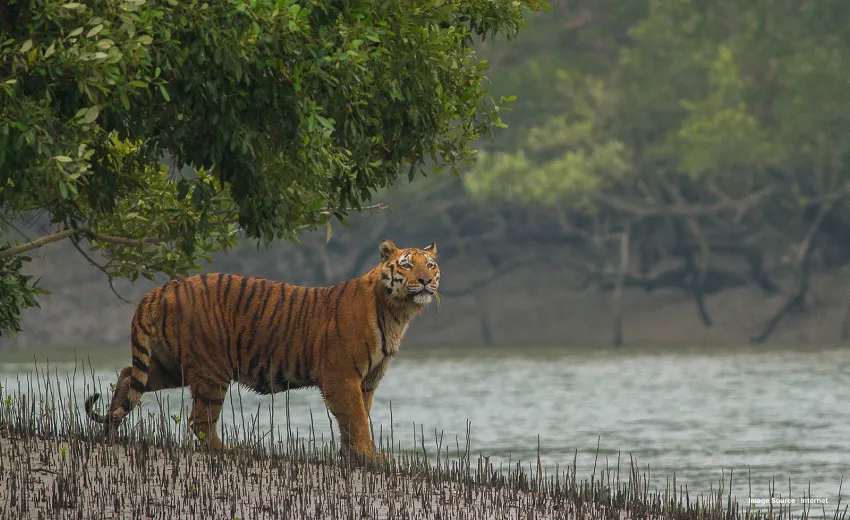
The Panthera tigris, also known as the Royal Bengal Tiger, is native to the Indian subcontinent. You’ll find them across the indian subcontinent, starting from India to Bangladesh, then Nepal and Bhutan, but India is where the largest population thrives. The overflowing mangrove forests of the Sundarbans in West Bengal are home to the Royal Bengal tigers, but it doesn’t just stop there, as Rajasthan and the lush tiger reserves in Madhya Pradesh are home to about 70% of Royal Bengal tigers in the world, thus making India the undisputed capital of tiger conservation.
The Siberian tiger or Panthera tigris altacia, comes from the far east of Russia, in particular the Sikhote Alin mountain range in Primorsky Krai. A few of these tigers, in minuscule numbers, also exist along the border regions of China and North Korea, which these conditions are incredibly different from the forests of India; the Siberian tiger lives in one of the coldest places on earth, where temperatures tend to drop even further below freezing and snowfall is a regular part of the environment. Their habitat is mixed with forests, and they are very different from the ones that their Indian jungle cousins call home.
Size, Weight, and Physical Power: How Do These Two Titans Measure Up?
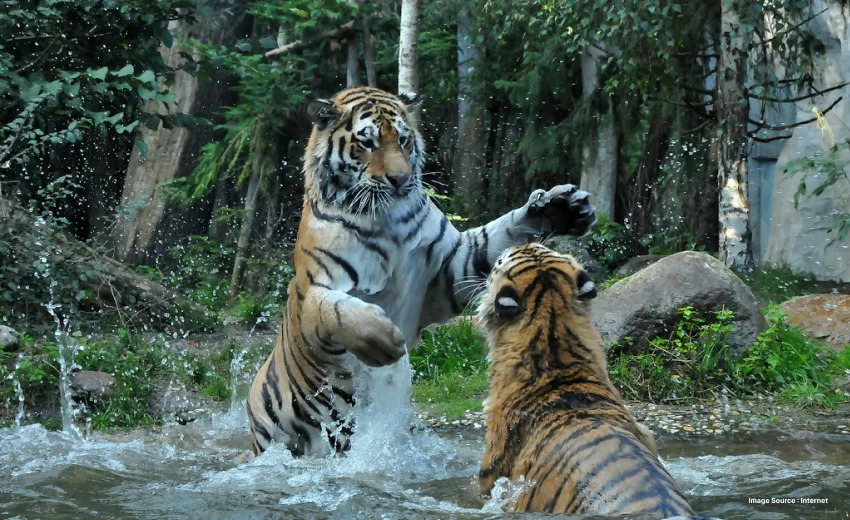
When this debate first arises in conversation, the first point that always gets put at the centre of the conversation is size, and this is quite a fair point, because both of these species are two of the largest cats that have ever existed known to mankind.
The Siberian tiger is generally considered to be the larger of the two; male tiger weight anywhere between 400 and 675 pounds, and they tend to stretch up to 10 - 12 feet in length from the nose to the tail. They have a thick layer of body fat and a dense coat that helps them survive bitter Russian winters.
Don’t cut the Royal Bengal Tiger short, though; male tigers aren’t that far behind, with most of them averaging a weight of about 400 to 570 pounds, and they can stretch up to lengths of 10 feet. What the Royal Bengal tiger may slightly lack in terms of raw mass, they more than make up for with muscle density and overall physical conditioning; their bodies are built for quick bursts of speed and powerful takedowns in the thick terrain.
TL;DR: The Siberian tiger has the size edge overall.
Hunting Instincts and Prey: Stealth in the Sundarbans vs Brute Force in the Taiga
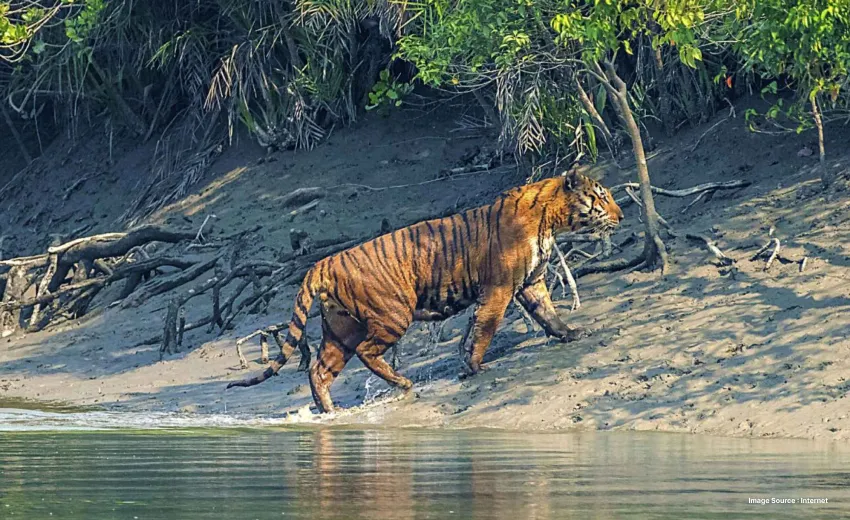
The personalities of both these tigers come out when we’re discussing hunting. One of the most skilled in ambush and predatory behaviours is the Royal Bengal Tiger, and they take that crown for a majority of the Animal Kingdom. When considering that they live in dense forests and tall grasslands, Royal Bengal tigers have mastered the art of silent movement. Their approach to hunting is a combination of relying on cover, patience, and explosive short sprints, which help them catch prey like a spotted deer. The main casualties in their hunting ventures tend to be: Sambar, guar, and wild boar. In the Sundarban, they have been acclimatised to swimming across channels to hun,t which makes them shockingly versatile hunters.
Siberian tigers hunt quite differently; in the open and semi-open taiga forests of Russia, they have access to less cover compared to the Royal Bengal tiger. Prey like elk, wild boar, and red deer can be spread across large territories. They are more known for their endurance rather than agility, and they have the ability to follow and track prey across long distances in snow. These animals tend to rely more on sustained effort than on the rush of sudden ambush. However, these animals are absolutely capable of explosive attacks when needed.
American travelers who are planning a wildlife trip: watching a Royal Bengal Riger move through the Indian jungle is a rare experience, and one should be immersed in their surroundings to truly enjoy it.
TL;DR: Bengal tigers are master ambush hunters built for dense terrain.
The Royal Bengal Tiger's Unmatched Agility: Why India's Apex Predator Stands Apart
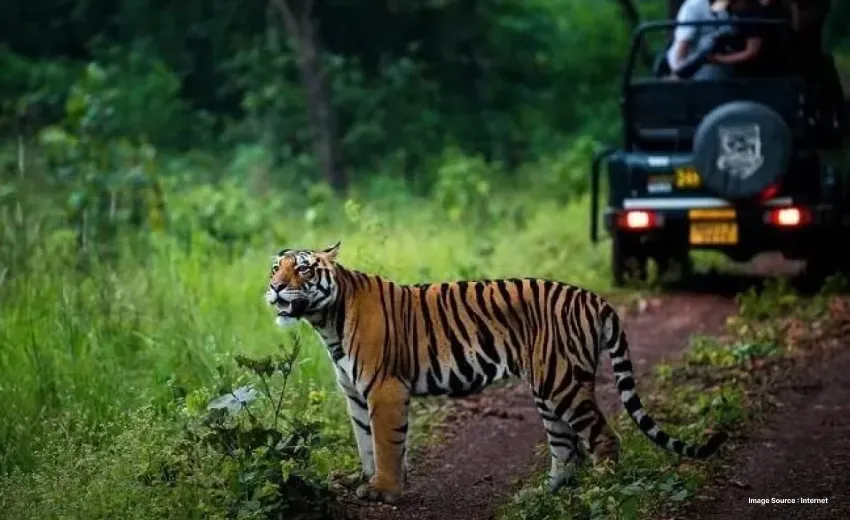
It would be quite easy to reduce the Royal Bengal tiger vs Siberian tiger comparisons to just a numbers game, but in those cases both animals are pretty neck and neck with each other. What we need to take into account here is agility, and this is where the Royal Bengal tiger goes ahead by miles. The body is built for speed and quick directional changes, and this is the utmost essential quality required in dense forests where the prey can change direction in a split second.
These tigers are also phenomenal swimmers, actively seeking out water during hot months to cool off in the rivers and lakes for hours on end. It honestly sounds like the perfect summer vacation. In the Sundarbans, this aquatic skiis ll part of how they hunt and patrol their territory. They’re recorded to have been able to swim about 18 miles in a single stretch. This is a remarkable feat for a land predator of this size.
They’re not just remarkable swimmers but also have brilliant territorial instincts; the Bengal tiger can hold and patrol a territory for up to about 40 square miles, and they mark this with precision using tactics such as scent, scratch marks, and vocalisations. This level of territorial intelligence speaks to how mentally sharp and adaptive this animal truly is. India’s apex predator is not just physically powerful; it’s also strategically brilliant.
Coat, Camouflage, and Cold: How Each Tiger Evolved for Its Environment
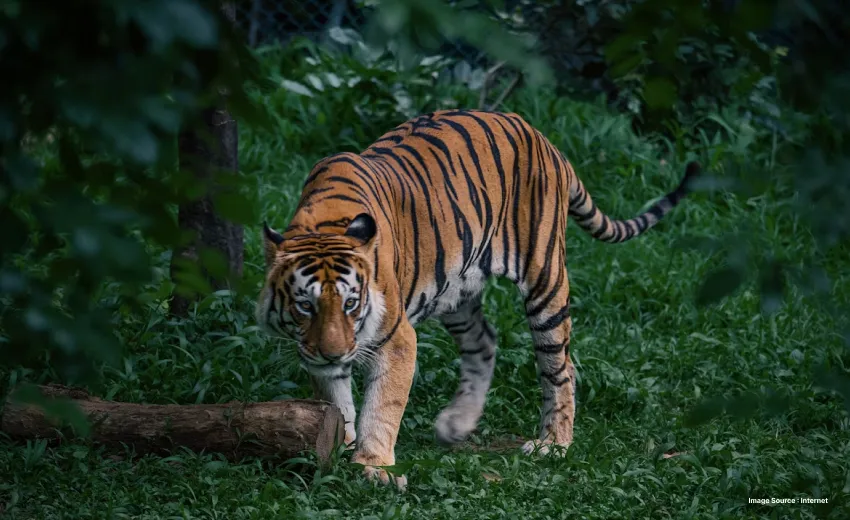
An obvious physical difference between the two is the coat of their skin, where the Royal Bengal Tiger has a rich orange coat with dark black or brown stripes, depending on how you look at it. The pattern is bold and designed to blend into the dappled light and dense vegetation. Each tiger’s stripes are unique, similar to a human fingerprint.
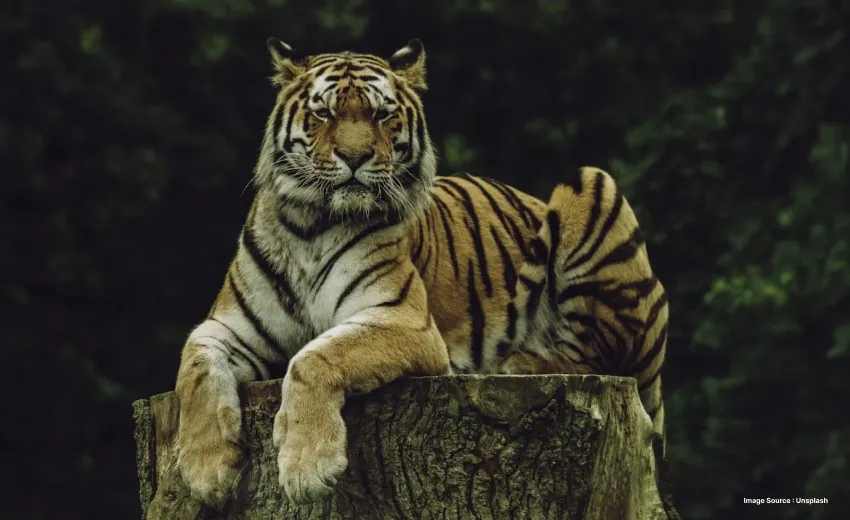
On the other hand, the Siberian tiger has a paler coat, often known as cream or even a light orange, their stripes are more brownish than the black stripes of the Royal Bengal tiger. Again, it depends on how you look at it. Their skin is much thicker to help against the cold weather. They have rough fur around their neck and the extra fur on their paws, which act as natural snowshoes; both of these coats are stunning in their own way, but they tell two different stories about where these tigers originated from and what type of conditions they live in.
How to plan a trip to spot the magnificent Royal Bengal tiger
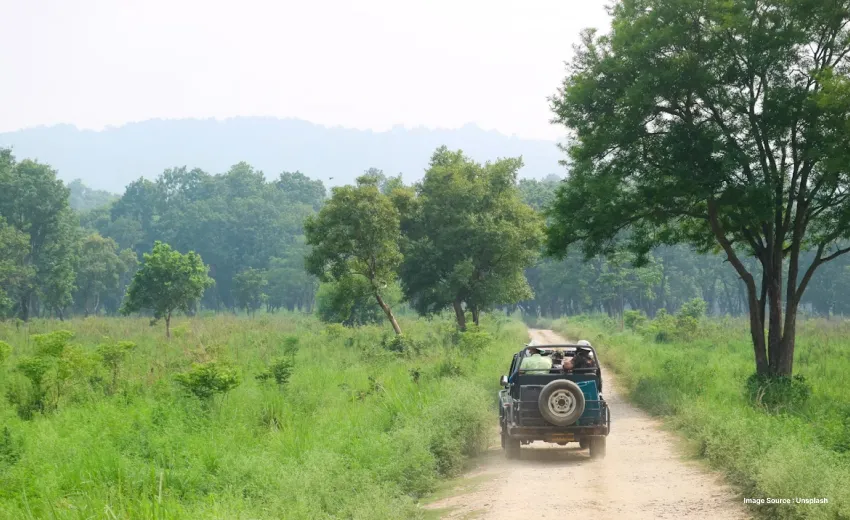
Travelers and wildlife lovers alike want to look into the best way to spot one of these beauties. The best place to spot a Royal Bengal Tiger in India is within the protected reserves of Project Tiger, with Ranthambore (Rajasthan), Bandhavgarh (Madhya Pradesh), and Jim Corbett (Uttarakhand). The ideal time to visit these locations would be during the dry time of March to June; the weather conditions force the tigers to congregate near the water sources, making the sightings far more likely than during the monsoon season in comparison. The best way to travel to tiger sighting locations is through early morning or late evening jeep safaris; they take you directly to spots where you’re likely to see tigers. Keep an eye out for alarm calls from deer, langurs, and peacocks; these are reliable indicators that a tiger is nearby, thus flustering its prey.
The other best way to spot a tiger is to be observant and look out for scrape marks and territorial spray scents to track movement. Patience is essential for these practices; seasoned visitors know how to park quietly near waterholes or forest trails and wait rather than constantly moving through the jungle with jeeps and getting in the way of the predators.
Ranthambore and Bandhavgarh’s high tiger density makes them the ideal place for spotting for first-timers.
Conservation Status: India's Project Tiger Success vs the Siberian Tiger's Ongoing Struggle
This is where this conversation takes a turn and becomes truly significant for travelers and wildlife lovers alike, and moves beyond the realm of wildlife curiosity. According to the IUCN list, the Royal Bengal tiger has been listed as an endangered animal. India has gotten on track and has made unbelievable progress through Project Tiger, which was launched in 1973. As per the latest census, the tiger population in India has grown upto 3600, from the 1800 in 2010. India's wildlife conservation efforts have grown and regenerated the entire population, and it’s a success story that the world needs to talk about more.
Unfortunately, the Siberian tiger is also endangered, with only about 500 - 600 animals surviving, which are estimated to be living in the wild. This is mostly due to activities such as poaching, habitat loss, and the decline of their prey species. You can learn more about them and the conservation efforts being used to protect them at the World Wildlife Fund. This has been a voice at the forefront in protecting both species.
TL;DR: India's tiger conservation through Project Tiger is a global success story.
FAQs
1. How many Royal Bengal Tigers are left in the wild?
India's 2022 tiger census recorded over 3,600 Royal Bengal Tigers in the wild across the country, making it the largest wild tiger population in the world by far.
2. Is the Royal Bengal Tiger vs Siberian Tiger comparison relevant for conservation?
Yes, in the sense that understanding each subspecies helps conservationists design habitat-specific protection plans.
3. Where is the best place in India to see a Royal Bengal Tiger in the wild?
Ranthambore National Park in Rajasthan and Bandhavgarh National Park in Madhya Pradesh are among the best spots.
Plan your bespoke india journey today
tell us what inspires you - and we will handcraft an experience that mirrors your elegance, pace & personality.
START PLANNINGBlogs Categories
It is a Sanskrit verse taken from an ancient Bharat (Indian) scripture
which means ‘The Guest is like God’.
In Bharat (India), guests are always welcomed with open arms and given
WANDER INDIA
Your go-to guide for exploring the best of India.

FESTIVALS OF INDIA
Festive Flavours

INDIAN HERITAGE
An enticing showcase of India’s glorious 5,000 year old history & heritage.
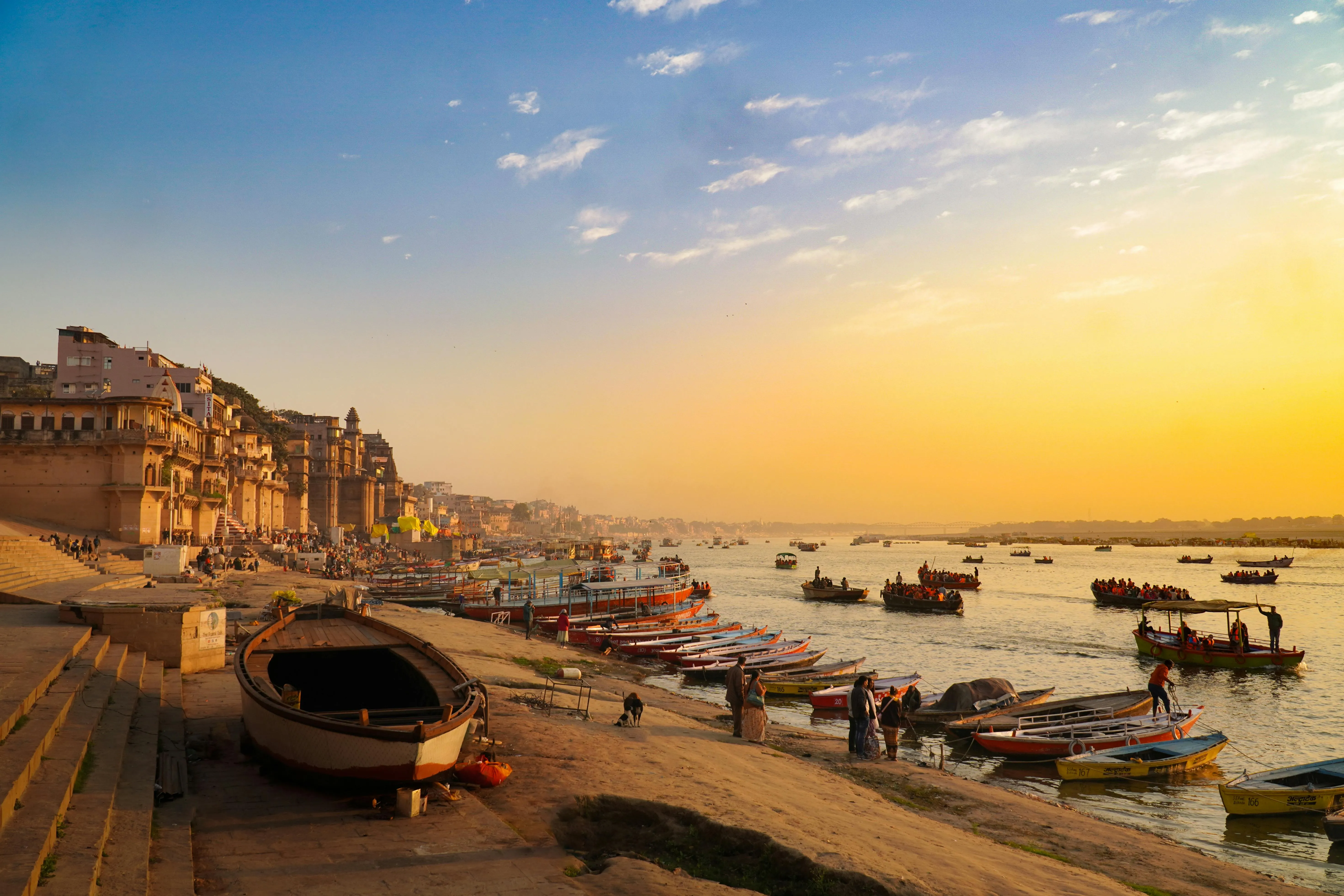
SACRED SPIRITUAL JOURNEYS
Discover what gives India the mystics that the world adores
TRAVEL TALES
Make the simplest of journeys unforgettable with hidden gems tours & extravagant stays.
You Will Like These Too...
It is a Sanskrit verse taken from an ancient Bharat (Indian) scripture
which means ‘The Guest is like God’.
In Bharat (India), guests are always welcomed with open arms and given








TRAVELOSEI PROMISE
What To Expect?

The Real India,
Re-Imagined For You
India is not just a destination - it's a world with-in the world. TRAVELOSEI go far beyond guide-books to offer you an India that is authentic yet exclusive, spiritual yet sophisticated delivered through private doors, rare access, and impeccable attention to details.

Trusted By Global Elites
From World Class Leaders to Forbes Listed Families and international Royalties to
visionary CEOS.
Our clientele chooses us for one reason - We Know India. Over two decades of providing
experiences which aren't just luxurious - they are intimate, curated & wildly rare.

Bespoke Travel Experience
For those who seek truth in detail, art in hospitality, and identity in experience. Our Luxury Travel Architect work discreetly and personally with you to craft travel experiences that go beyond 5 Stars, where every detail whispers luxury - and legacy.

White-Glove Concierge
24 X 7 Dedicated Concierge Support even in the wildest corners of India. At TRAVELOSEI, our concierge team ensures that everything-from airport- tarmac pick-ups, last minute reservations and private spiritual sessions - is handled before you even ask.


