
Last Updated : Jun 20, 2026 | Author : Md. Mohsin | View Count : 1565 | Read Time : 7 min
10 East Asian Temple Wonders Every American Traveler Should See Before They Die
There is something about ancient temples that just stops you mid-step. Whether you are watching a sunrise over stone towers in Cambodia or walking through a corridor of orange gates in Japan, these moments tend to stick with you longer than any resort or city tour ever will. Asia is home to some of the most stunning sacred sites on the planet, and if you are already thinking about a trip, knowing where to go first makes all the difference. This list covers ten places, from a proper east asian temple experience in Japan and China to legendary sacred sites across India and Southeast Asia, that belong on every American traveler's radar.
Is visiting an east asian temple actually worth the long flight from the US?
Honestly, that depends on what you are looking for, but if ancient history, stunning architecture, and experiences that genuinely stay with you sound appealing, an east asian temple, or really any of the sacred sites on this list, tends to deliver in ways that are hard to describe until you are actually standing there.
A Golden Marvel That Defies All Logic
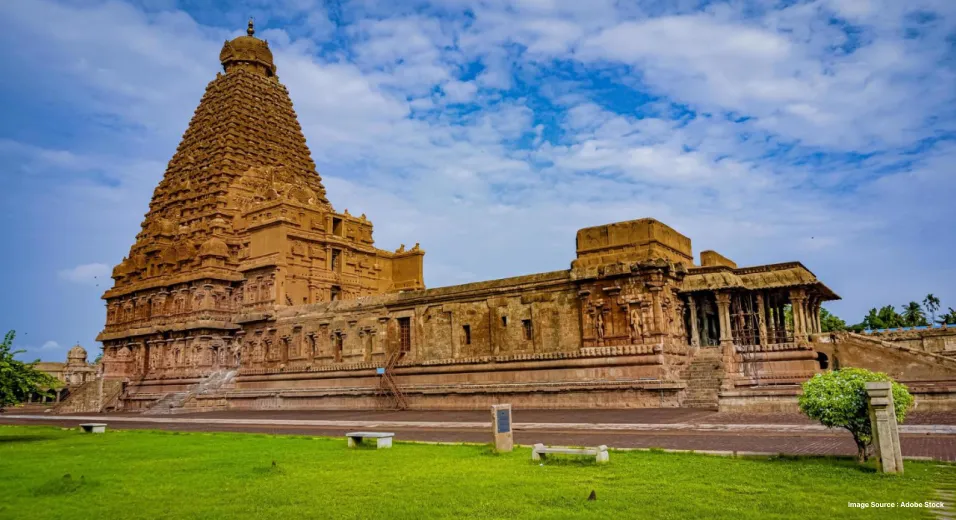
The Brihadeeswarar Temple in Tamil Nadu is over a thousand years old and it still has historians and architects scratching their heads. Built during the Chola dynasty around the early 11th century, it has a massive tower standing about 216 feet tall, and here is the wild part: the shadow of that tower reportedly does not fall on the ground at noon. Nobody has fully explained how the builders pulled that off. The granite used in construction was sourced from miles away with no modern equipment. If you love history that comes with a genuine mystery attached, this one is worth every hour of travel. October through March is the most comfortable window for visiting South India, and the temple complex is open most of the day with free entry.
Where a Thousand Torii Gates Lead to Mystery
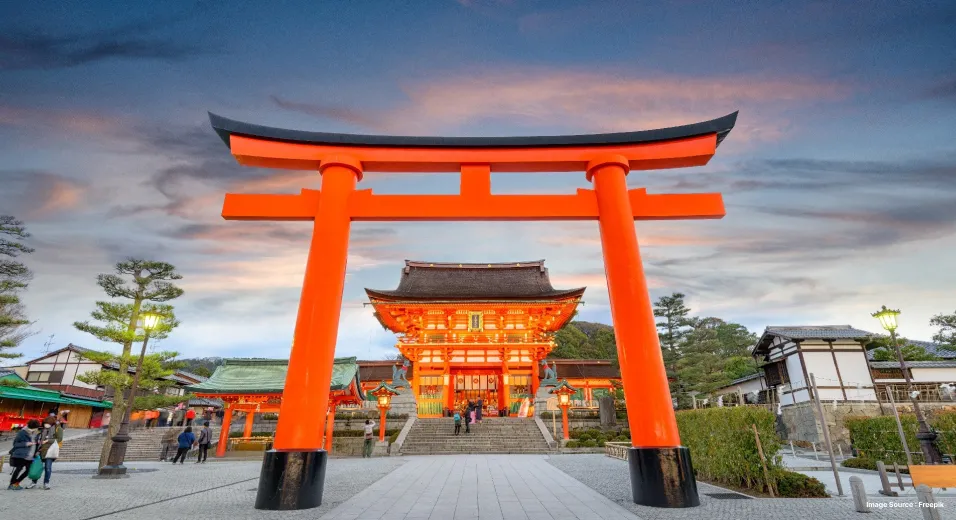
Fushimi Inari Taisha in Kyoto is the kind of east asian temple that ends up as your phone wallpaper the second you walk through it. Thousands of bright orange torii gates line a trail winding up Mount Inari, and the full hike takes two to four hours depending on how far you go. Most visitors only make it to the base, which means going a little further rewards you with quiet trails and great views. The shrine is dedicated to Inari, the Shinto god of rice and business, and small fox statues are everywhere since foxes are considered sacred messengers here. It is free to enter and open around the clock, so an early morning visit before the tour groups arrive is the smart move.
TL;DR: Fushimi Inari Taisha is a free, open-all-hours east asian temple in Kyoto.
Carved by Gods, Not Human Hands
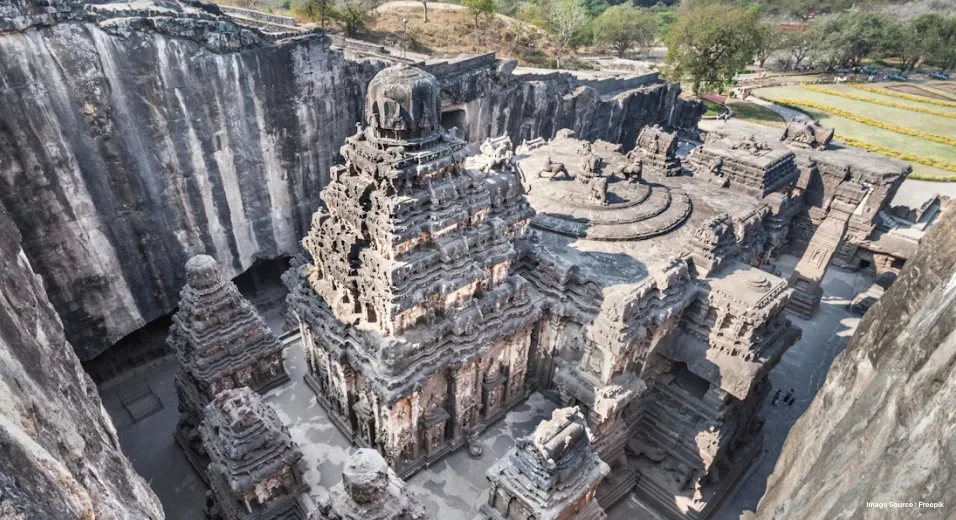
The Kailasa Temple at Ellora in Maharashtra is not built upward. It is carved downward. The entire structure was cut from a single volcanic rock cliff, and workers removed an estimated 200,000 tons of rock to complete it. There are no separate pieces, no construction joints. It is one continuous carved mountain completed in the 8th century. Scholars still debate the logistics of how this was done. The carvings inside depict scenes from Hindu mythology in extraordinary detail, and the scale of the place is genuinely hard to process in person. If you are flying into Mumbai, Ellora is about a five-hour drive. Pairing it with the nearby Ajanta Caves makes for a full day that will change how you think about what people were capable of building over a thousand years ago.
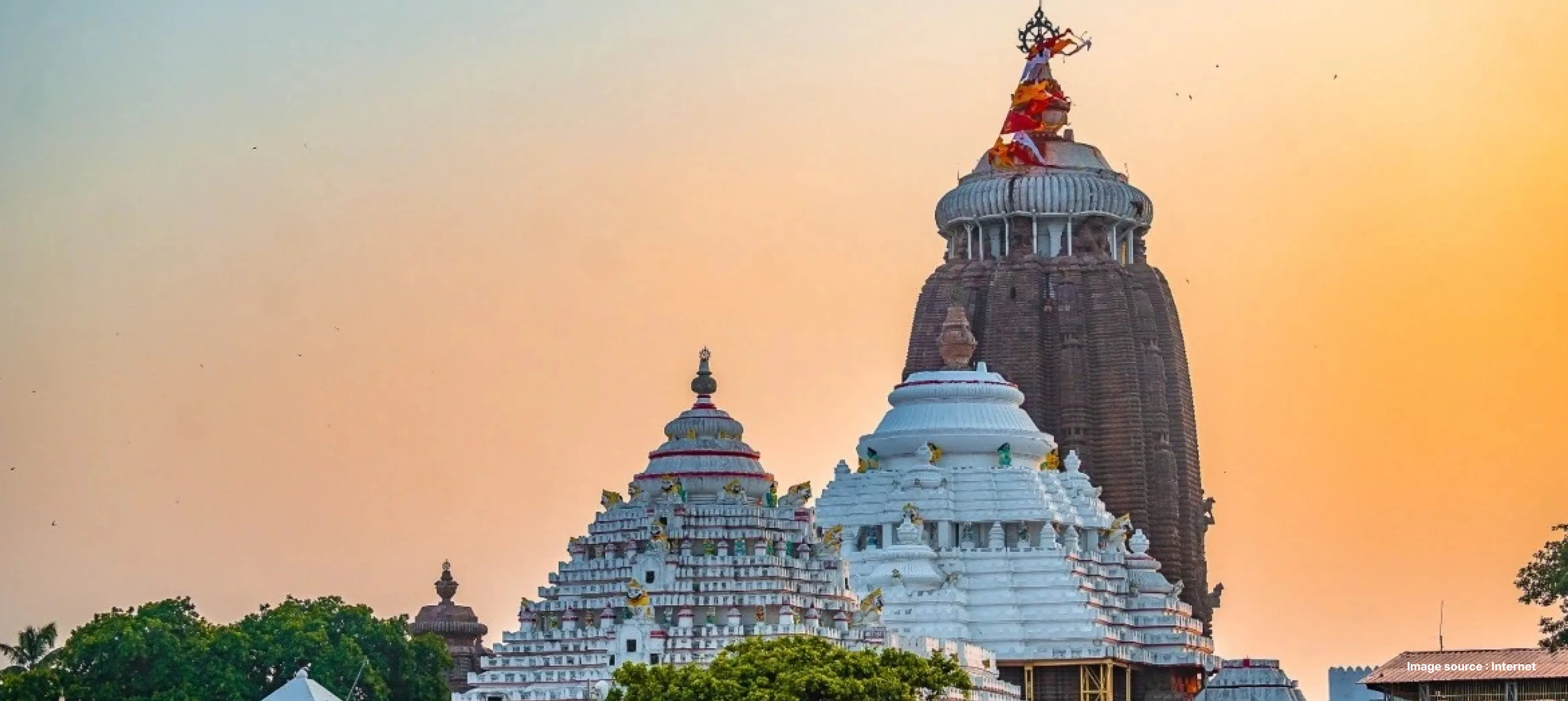
Explore The Ancient Temples of India
Witness the magic of centuries old architecture and the cultural significance of the ancient temples of India.
Customize your India trip with TRAVELOSEI.
Explore India Temple ToursA Floating Shrine Between Land and Sea
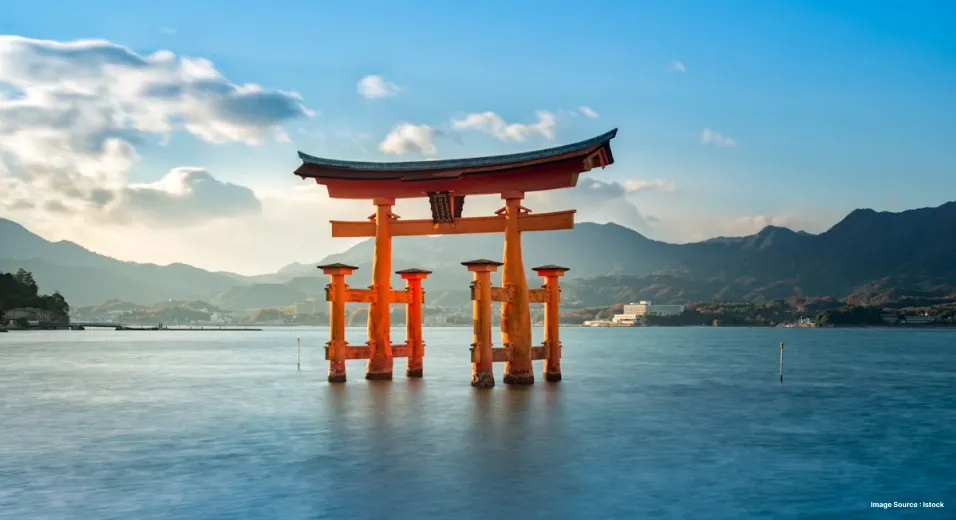
Itsukushima Shrine on Miyajima Island is the image you have probably seen in travel magazines: a large orange torii gate rising from the water. Seeing it in person is a completely different experience. At high tide the shrine buildings appear to float above the sea, and at low tide you can walk right up to the gate. For centuries the island was considered so sacred that no one was permitted to be born or die there. Today it is a short ferry ride from Hiroshima, making it a natural add-on for anyone already planning to visit that city. For American travelers doing Japan for the first time, skipping this east asian temple experience would genuinely be something to regret. Freely roaming deer on the island have zero fear of tourists and will walk right up to you.
The Temple That Rises Like a Mountain to Heaven
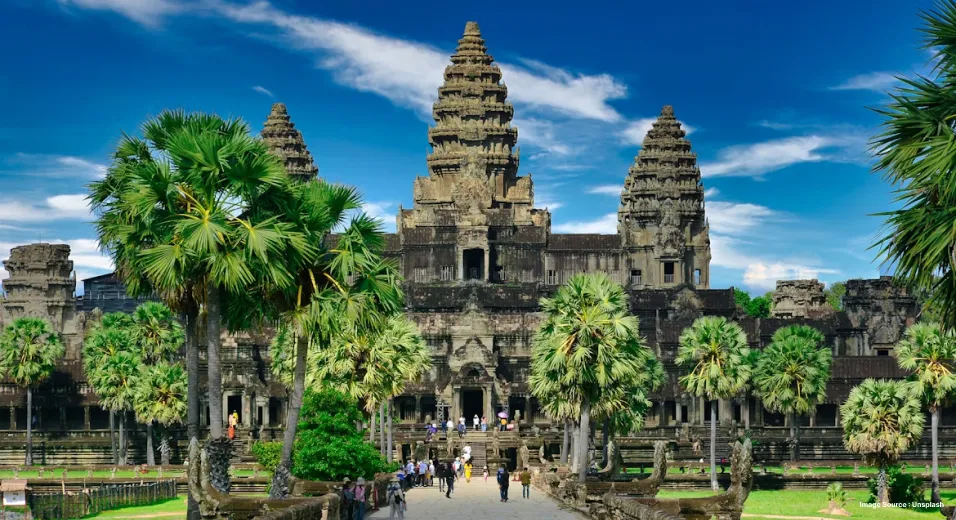
Angkor Wat in Siem Reap, Cambodia is the largest religious monument in the world, covering around 400 acres. Built in the 12th century as a Hindu temple and later converted to Buddhism, the layers of history here are real and fascinating. The central tower complex was designed to represent Mount Meru, the sacred mountain in Hindu cosmology. Watching the sunrise over Angkor Wat is one of those travel experiences that sounds overhyped until you are actually there and you completely get it. According to National Geographic, the broader Angkor complex was once the largest pre-industrial city on earth, which gives you a sense of just how significant this place was (https://www.nationalgeographic.com/history/article/angkor). Plan at least two full days to cover the main sites without rushing.
TL;DR: Angkor Wat is the world's largest religious monument, and it earns every bit of the hype. Budget at least two days and set an early alarm for the sunrise, it is one of those moments that genuinely lives up to expectations.
Where Every Stone Tells a Love Story
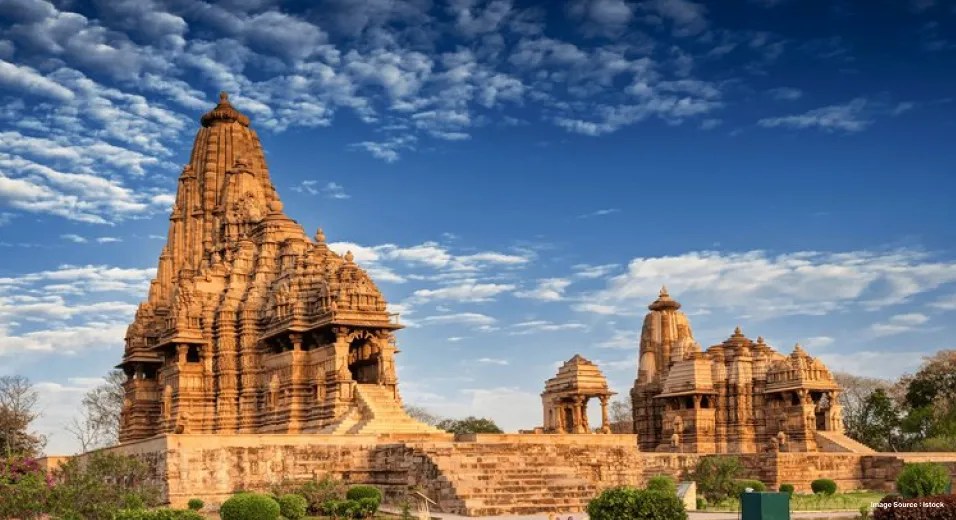
The Khajuraho Temples in Madhya Pradesh are famous for their erotic carvings, but there is a lot more going on than what ends up in travel headlines. Built between 950 and 1050 CE, these temples were largely lost for centuries before a British surveyor rediscovered them in 1838. Of the original 85 temples, about 20 survive, and the carvings cover all aspects of human life: spiritual, everyday, and yes, intimate. Historians believe the sculptures were a celebration of life and a visual guide to dharma rather than anything scandalous by the standards of the time. The complex is a UNESCO World Heritage Site. The nearby town is easy to get around, and the Madhya Pradesh tourism board runs a sound and light show in the evenings that gives great context for what you are seeing.
A Wooden Marvel Built Without a Single Nail
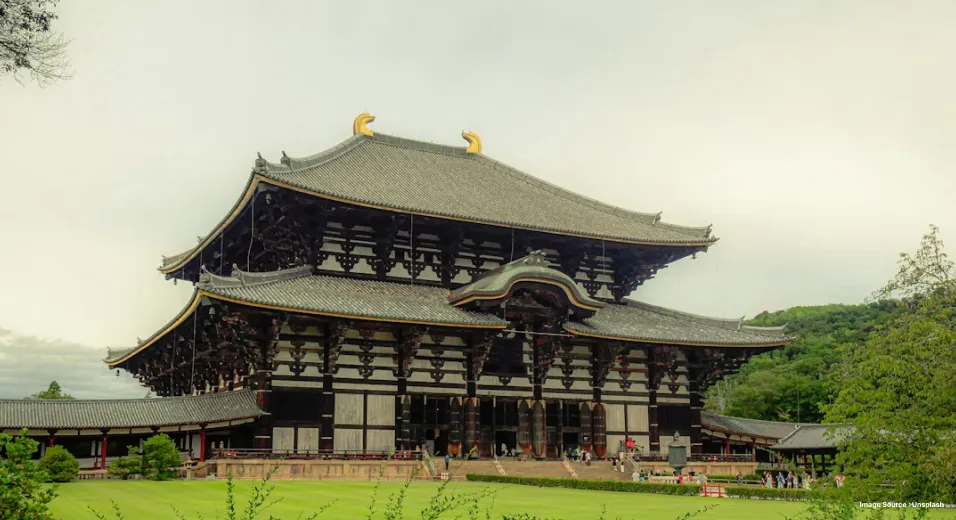
Todai-ji in Nara houses one of the largest bronze Buddha statues in the world, standing around 49 feet tall. The hall holding it, called the Daibutsuden, is considered the world's largest wooden building even though it is only about two-thirds of its original size after fires over the centuries. The entire structure was assembled using interlocking wood joints with no nails involved, which still impresses engineers today. Nara is an easy and very pleasant day trip from Kyoto or Osaka, and the park surrounding the temple is full of deer that have been living alongside visitors for generations. As a standalone east asian temple experience, Todai-ji delivers on architecture, history, and a quiet kind of wonder that feels different from more crowded sites.
Where the Ocean Itself Becomes a Devotee
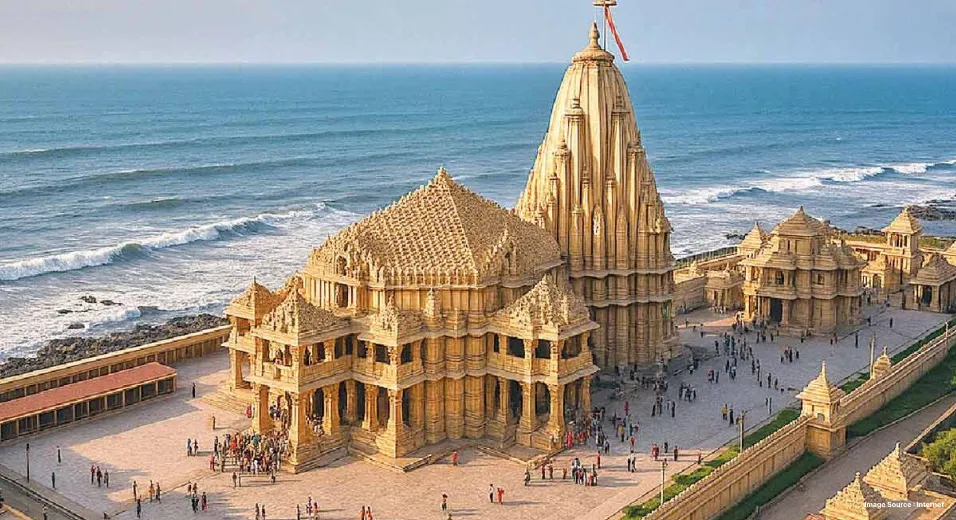
Somnath Temple in Gujarat sits right on the coast of the Arabian Sea, and the sound of waves crashing during prayers creates an atmosphere that is genuinely hard to replicate anywhere else. This temple is dedicated to Shiva and is one of the 12 Jyotirlingas, considered the holiest Shiva shrines in Hinduism. It has been attacked and destroyed multiple times throughout history, with the most recent rebuilding completed in 1951 shortly after Indian independence. The current structure is cleaner and simpler than more ornate temples, but the coastal setting and the evening aarti ceremony, a ritual of light, prayer, and music, make it one of the most memorable stops in western India. Travelers of all backgrounds consistently describe that evening ceremony as unexpectedly moving.
TL;DR: Somnath Temple combines one of Hinduism's most sacred Shiva shrines with a dramatic Arabian Sea backdrop. The evening ceremony is the highlight and is worth building your schedule around.
A Labyrinth of Halls the Emperor Called Holy
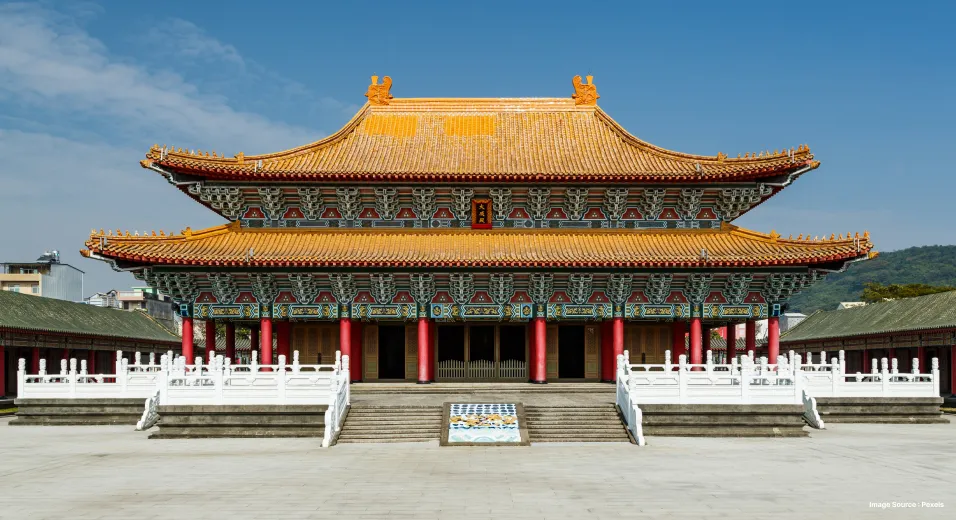
The Confucius Temple complex in Qufu, China is not just a single building but a sprawling compound of courtyards, ceremonial halls, and gates spread across about 50 acres. Qufu is the birthplace of Confucius, and the complex has been expanded and rebuilt over more than two thousand years with contributions from multiple dynasties. The site also includes the Kong Family Mansion and the Confucius Cemetery, making it a full half-day visit at minimum. It is a UNESCO World Heritage Site and one of the most culturally important destinations in East Asia. For anyone curious about Chinese history and philosophy, exploring this east asian temple complex is one of the clearest windows you will find into how Confucian thought shaped Chinese society for centuries. Qufu is accessible by high-speed rail from both Beijing and Shanghai. The Smithsonian Magazine has solid background reading on Confucius and his influence if you want to go in prepared (https://www.smithsonianmag.com).
The City of Temples That Never Sleeps
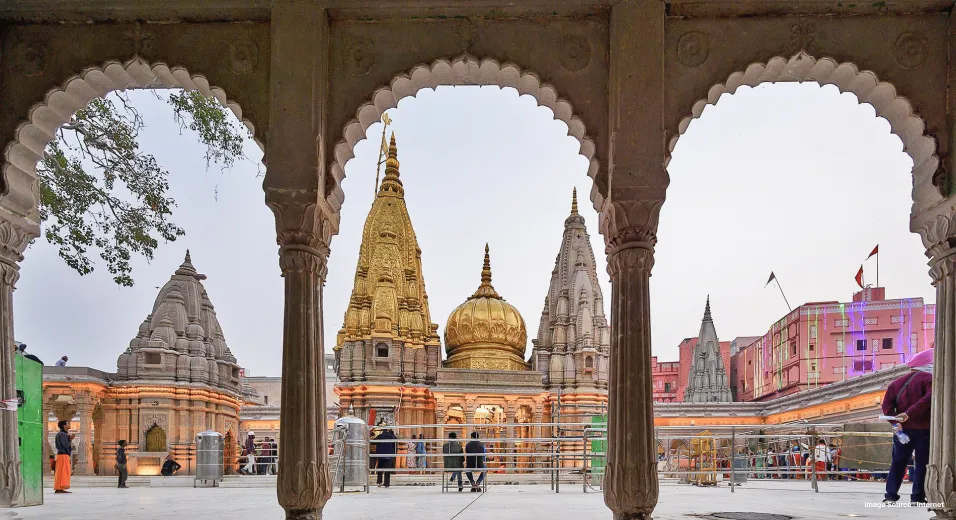
Varanasi in Uttar Pradesh is one of the oldest continuously inhabited cities in the world, and the Kashi Vishwanath Temple is its spiritual center. Dedicated to Shiva and sitting just steps from the Ganges River, the temple draws thousands of pilgrims every single day. The stone steps called ghats that lead down to the river are as central to the experience as the temple itself. Sunrise boat rides on the Ganges are among the most talked-about travel experiences in all of Asia, and for good reason. The city never quiets down: ceremonies, music, markets, and rituals fill every hour of the day and night. Varanasi can feel overwhelming when you first arrive, but give it a full day and it tends to get under your skin in a way that is genuinely hard to shake.
Whether you are starting with one destination or building a full Asia itinerary, the east asian temple world and the broader landscape of sacred sites across the continent reward anyone willing to show up curious. Do a little research, pack with flexibility in mind, and be ready to have your expectations completely rearranged. These are not tourist attractions in the ordinary sense. They are places that have been pulling people in for a thousand years and more, and once you visit even one, you will understand exactly why.
FAQs
1. Is it worth visiting both Indian and Japanese temples on the same trip?
It is doable but involves a lot of ground to cover. Most travelers find it more rewarding to pick one region per trip and go deeper rather than rush across multiple countries. Japan and India both offer enough temple experiences to fill a two-week itinerary on their own.
2. What is the best time of year for American travelers to visit these temples?
For Japan, spring (March to May) and fall (September to November) are ideal. For India, October through February works well across most regions. Cambodia is best visited between November and March to avoid heavy rain and peak humidity.
3. Which of these destinations is easiest for first-time Asia travelers?
Japan is generally considered the most accessible for Americans in terms of safety, infrastructure, and English signage. Kyoto makes a great base for first-timers wanting to explore temples without dealing with a lot of logistical complexity.
Plan your bespoke india journey today
tell us what inspires you - and we will handcraft an experience that mirrors your elegance, pace & personality.
START PLANNINGTrending Travel Stories
Stay inspired with our most popular travel stories, practical advice, and must-read destination guides.
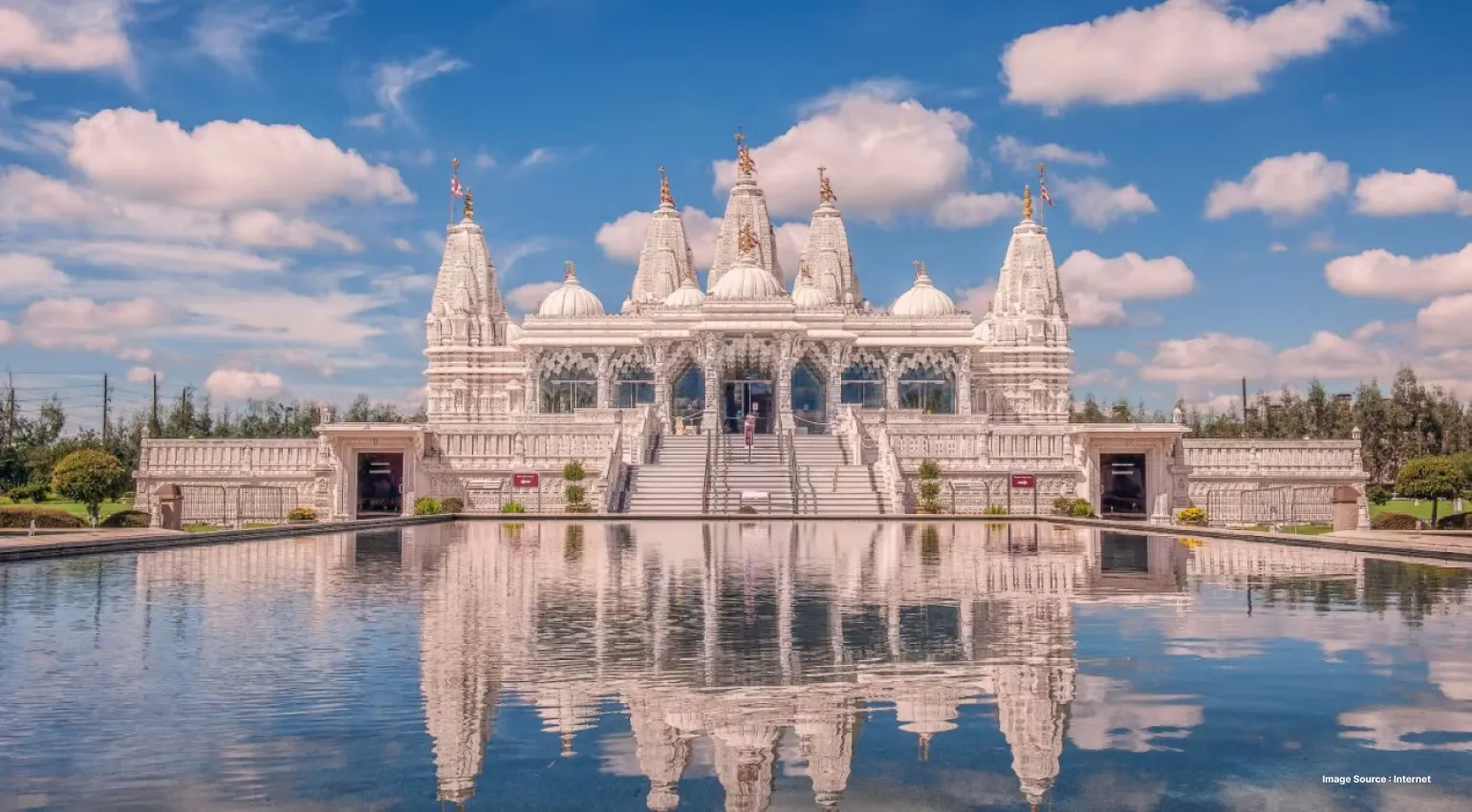
Hindu Temples in the USA
The True Meaning Behind The Festival of Light

Sacred Myths or Misunderstood Realities?
The Richest Indian Tradition

The Camping Gear Guide
Sea to Summit dry bag

Backpacking Sleeping Pad
Top 6 Places to Travel in December
TRAVELOSEI PROMISE
What To Expect?

The Real India,
Re-Imagined For You
India is not just a destination - it's a world with-in the world. TRAVELOSEI go far beyond guide-books to offer you an India that is authentic yet exclusive, spiritual yet sophisticated delivered through private doors, rare access, and impeccable attention to details.

Trusted By Global Elites
From World Class Leaders to Forbes Listed Families and international Royalties to
visionary CEOS.
Our clientele chooses us for one reason - We Know India. Over two decades of providing
experiences which aren't just luxurious - they are intimate, curated & wildly rare.

Bespoke Travel Experience
For those who seek truth in detail, art in hospitality, and identity in experience. Our Luxury Travel Architect work discreetly and personally with you to craft travel experiences that go beyond 5 Stars, where every detail whispers luxury - and legacy.

White-Glove Concierge
24 X 7 Dedicated Concierge Support even in the wildest corners of India. At TRAVELOSEI, our concierge team ensures that everything-from airport- tarmac pick-ups, last minute reservations and private spiritual sessions - is handled before you even ask.


