
Last Updated : Jun 25, 2026 | Author : Nishant Rana | View Count : 3488 | Read Time : 8 min
The Best Heritage Walks in the World You Need to Take Once in Your Life
There are a lot of ways to experience history, but one of the best is exploring heritage sites on foot, also known as heritage walks. Everything is in front of your eyes, and you get to observe and absorb the most, and feel the history in the present, unlike reading books or visiting museums. The best heritage walk takes you through ancient ruins, streets that have been living for centuries, sacred rivers with strong spiritual significance, and forgotten empires. Heritage walks offer you the depth that is rare to find in any type of travel experience. This blog covers six of the best heritage walks available throughout the world, and visiting even one of them might change the way you think about life.
What are the best heritage walks in the world?
The best heritage walks are honestly hard to narrow down because every corner of the world has something incredible to offer. But if you are looking for walks that actually move you, a mix of India's layered history, Europe's ancient trails, and Latin America's colonial streets is a great place to start.
What Is a Heritage Walk and What to Expect from It
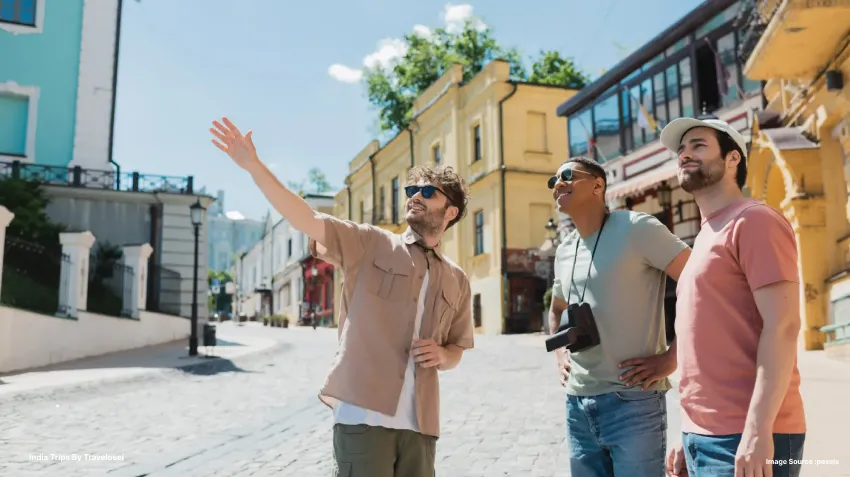
A heritage walk is a guided or self-guided walk through a place with cultural, historical, and architectural value. These can be old city quarters, ancient trade routes, religious pathways, or ruins of past civilizations. The goal is to understand the history of a place by actually walking through it.
The slower pace of heritage walks is something that sets them apart from regular sightseeing. You get enough time to observe the finest details like carvings on a doorway, the age of the stone steps, and the neighborhoods that have kept their old character intact even after the development of cities nearby. Some heritage walks are organized tours with local guides who help you understand the stories better in real life. Others are self-guided tours where you explore everything on your own with the help of a map or an application. Both of them work well, but it depends completely on your travel style.
As an American traveler, here is what to expect practically: comfortable, worn-in walking shoes are non-negotiable. Many of these routes involve uneven terrain, cobblestones, or long stretches without seating. Carry water, dress in layers if the weather is unpredictable, and give yourself more time than you think you need. The best moments often happen when you stop to look at something you were not expecting.
TL;DR: A heritage walk is a slow, intentional way to experience history by walking through places with deep cultural and historical significance. Go comfortable, go curious, and do not rush.
Camino de Santiago, Spain: The World's Most Well-Known Pilgrimage Trail
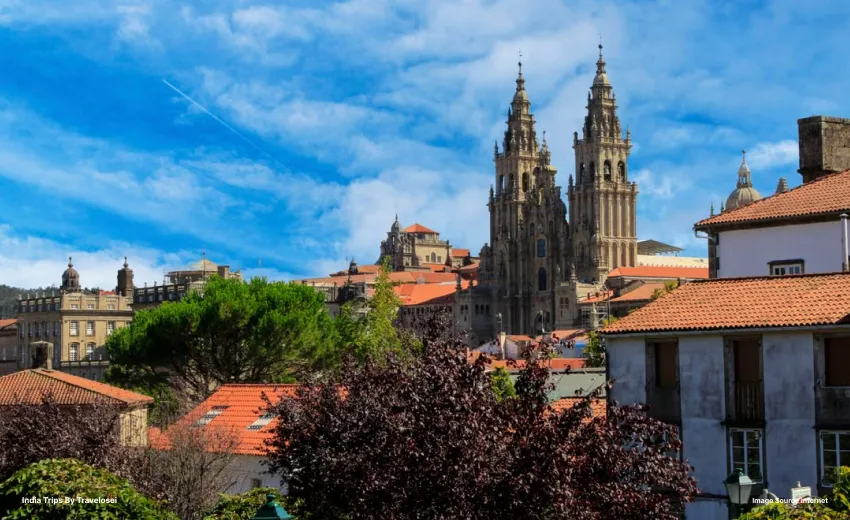
The most well-known heritage walk in the travel community is the Camino de Santiago. This is an ancient pilgrimage route in northern Spain that leads to the cathedral city of Santiago de Compostela. It is said that the remains of Saint James were buried here. These trails have been walked by people for over a thousand years, and even today, they attract hundreds of thousands of walkers every single year.
Although the most popular route of this pilgrimage is the Camino Francés, which starts in Saint-Jean-Pied-de-Port in France and covers about 500 miles, taking you through small towns, rolling farmland, and mountain passes. But it is not necessary to walk the entire route; to qualify for the Compostela certificate, you only need to complete the last 100 kilometers.
What makes it one of the best heritage walks in the world is not just the physical journey. It is the community. You walk alongside people from dozens of countries, all moving toward the same destination. The route passes through medieval villages, Romanesque churches, and landscapes that have barely changed in centuries. The best time to go is late spring or early September when the weather is manageable and the crowds are slightly thinner. You can find detailed trail information at American pilgrims organisation , which is the official US-based resource for American walkers planning the Camino.
Old Delhi, India: Experience the Significance of Mughal History
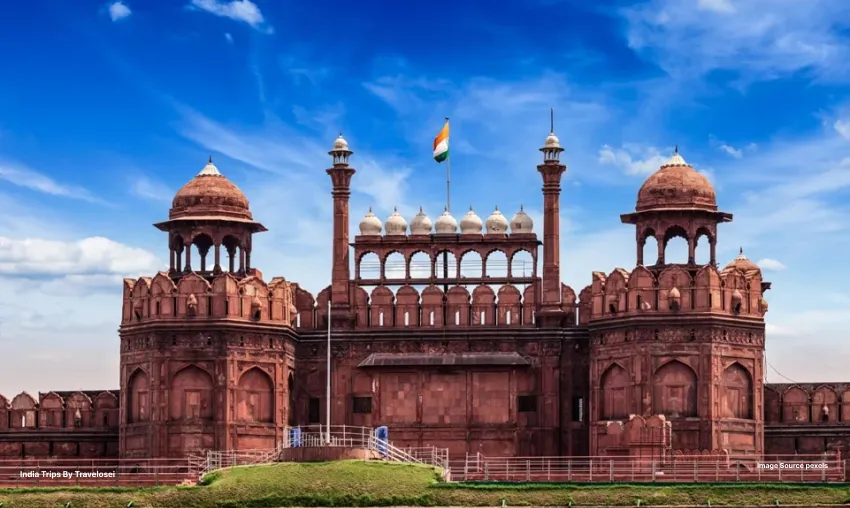
Old Delhi is one of those cities that carries a historical significance that hits immediately. The exact moment you step into Chandni Chowk or walk towards Jama Masjid, you can feel the weight of history all around you. This part of Delhi was built by the Mughal emperor Shah Jahan in the 17th century, the same emperor who was responsible for building the Taj Mahal.
A heritage walk through Old Delhi takes you past the Red Fort, one of the most important monuments in Indian history, through narrow lanes called galis that are packed with spice markets, sweet shops, and havelis that date back hundreds of years. Paranthe Wali Gali alone, a street famous for its stuffed flatbreads, has been feeding people for generations.
This is genuinely one of the best heritage walks for food lovers because the eating is built into the experience. Local guides here are exceptional and can walk you through stories about Partition, the Mughal court, and how the city survived centuries of change. Go early in the morning before the heat and crowds pick up.
TL;DR: Old Delhi's heritage walk is a full sensory experience combining Mughal architecture, centuries-old street food, and stories of one of the world's most layered cities. Morning is the best time to go.
Kyoto's Nakasendo Trail, Japan: Experience the Traditional Wooden Villages of Kiso Valley
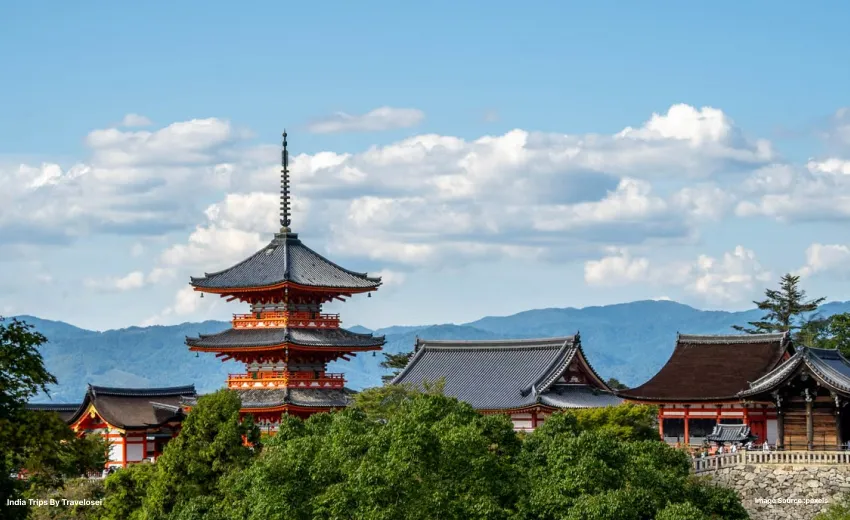
Japan is one of the countries that knows how to preserve its history without turning it into a theme park, and a great example of it is the Nakasendo Trail, which is the historic highway that connected the city of Kyoto to Tokyo during the Edo period, roughly around the 17th to 19th centuries. The most walked section of the trail is about 8 miles long in Kiso Valley between the post towns of Magome and Tsumago. It takes you through forested mountains and traditional wooden villages.
Walking this trail feels genuinely removed from the modern world. The post towns have kept their old appearance with strict preservation rules, so you are looking at buildings, stone paths, and landscapes that have barely changed in 200 years. The route is well-marked and manageable for most fitness levels, which is part of why it makes so many lists of the best heritage walks in Asia.
Fall is the most popular season because of the foliage, but spring cherry blossoms make it equally beautiful. If you are combining this with a broader Japan trip, it pairs well with Kyoto and the surrounding Kansai region.
Varanasi Ghats, India: Experience the World's Oldest City
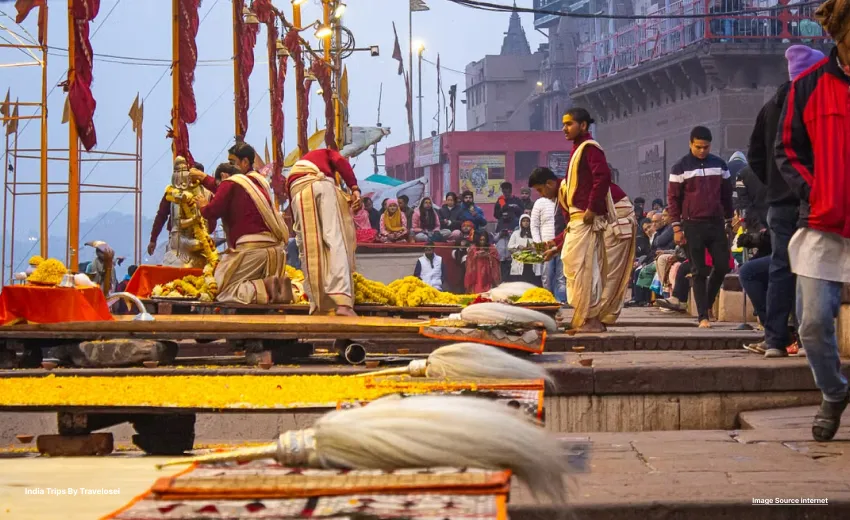
Varanasi is the most special on this list as it is the oldest continuously inhabited city on earth. The city sits on the banks of the sacred river Ganges, and it has been a center of Hindu pilgrimage and spiritual life for over 3,000 years. This is something no other place in the world can claim. A walk along the ghats of the city is enough for you to feel the peace you have always wished for. The wide stone steps leading down to the river carry more history than almost anything else on this list.
There are over 80 ghats stretching along the riverbank, each with its own history and purpose. Some are used for bathing and prayer, others for cremation ceremonies that have been carried out openly for centuries. It is not a comfortable walk in the conventional sense, but it is a deeply meaningful one. You are witnessing rituals and traditions that have continued uninterrupted for millennia.
The best time to walk the ghats is at sunrise, when the light on the river is golden and the morning aarti prayers are just beginning. An evening walk during the Ganga Aarti ceremony is equally powerful. This is easily one of the most spiritually significant of the best heritage walks anywhere in the world.
Cartagena Old Town, Colombia: A Walled City of Spanish Colonial Architecture
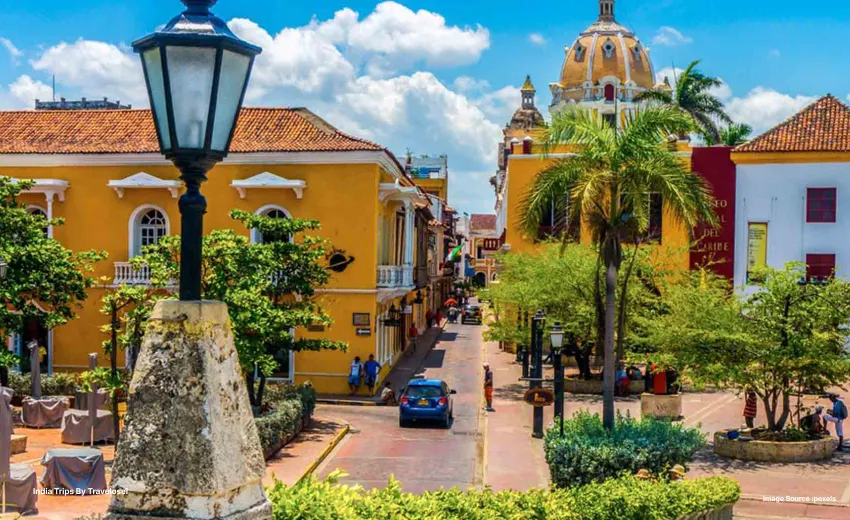
Cartagena's walled city is a UNESCO World Heritage Site and one of the best-preserved examples of Spanish colonial architecture in the Americas. The old town, known locally as Ciudad Amurallada, is compact and completely walkable. Brightly painted buildings, bougainvillea spilling over balconies, and centuries-old churches line streets that were built when this was one of Spain's most important ports in the New World.
A heritage walk here can easily be self-guided. Start at the Clock Tower Gate, walk through the Plaza de los Coches, and wind your way toward the San Pedro Claver Church and the old castle of San Felipe de Barajas. The fortifications themselves are remarkable and tell the story of a city that was constantly defended against pirates and rival empires.
Cartagena is also genuinely warm and welcoming for American travelers. English is widely spoken in the tourist areas, the food is excellent, and the climate is tropical year-round. It is one of the best heritage walks that also doubles as a relaxing vacation.
TL;DR: Cartagena's walled city is compact, colorful, and easy to explore on foot. It is a top pick for Americans who want history without sacrificing comfort.
Hampi, Karnataka, India: Observe the Ancient Ruins of a Forgotten Empire
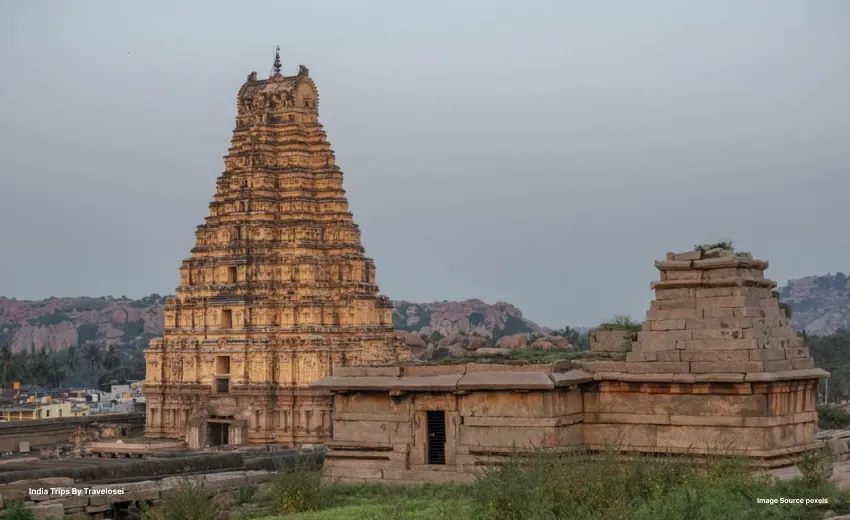
Hampi was the capital city of one of the wealthiest and most powerful kingdoms in medieval India, the Vijayanagara Empire. At the empire's peak in the 15th and 16th centuries, it was among the largest cities in the world. Today, it is a UNESCO World Heritage Site spread across a dramatic landscape of boulder-strewn hills, banana plantations, and ancient temples.
Walking through Hampi is like walking through a civilization frozen in time. The ruins stretch across a vast area, so a full heritage walk here can take more than one day. Key stops include the Virupaksha Temple, still active after 1,500 years, the Vittala Temple with its famous stone chariot, and the Royal Enclosure where the king once held court.
The best time to visit is between October and February when the heat is manageable. Hampi is not yet well-known among American travelers, which makes it one of the most rewarding and crowd-free of the best heritage walks on this list.
How to Plan Your First Heritage Walk: Gear, Routes and Budgets
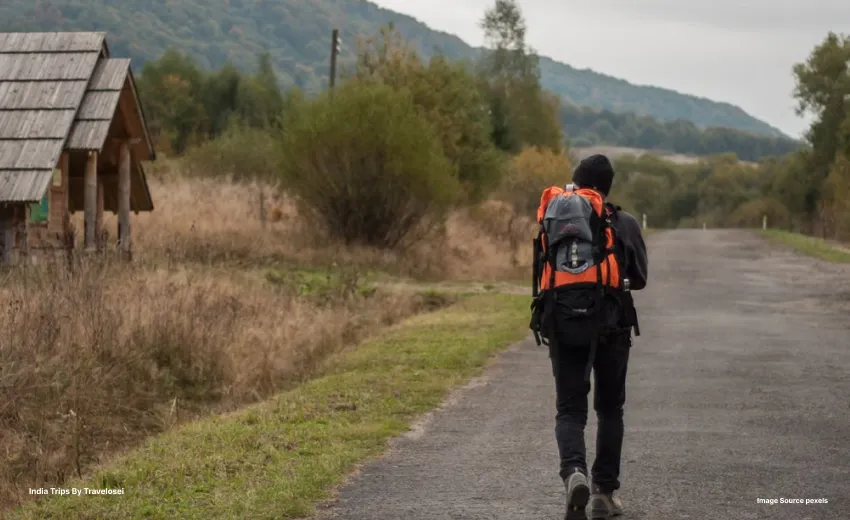
Planning a heritage walk does not have to be complicated. Here is a straightforward breakdown.
Gear: Invest in good walking shoes, ideally broken in before your trip. A lightweight daypack, a refillable water bottle, sunscreen, and a portable phone charger will cover most of what you need. For longer multi-day trails like the Camino, trekking poles are worth it.
Routes: Research whether you want a guided experience or a self-guided one. Guided tours are great for places like Old Delhi and Varanasi, where local knowledge adds enormous value. Self-guided works well for Hampi and Cartagena, where the sights are spread out and easy to navigate independently.
Budget: Costs vary widely. The Camino de Santiago can be done on around 50 to 80 dollars a day including accommodation in pilgrim hostels. Indian destinations like Hampi, Varanasi, and Old Delhi are very affordable, with guided heritage walks often available for under 20 dollars. Cartagena sits in the middle range. Japan tends to be the most expensive but is absolutely worth it.
Timing: Most heritage walks are best during shoulder seasons, spring and fall, when the weather is pleasant and crowds are lighter.
The main thing is just to start. Pick one destination from this list, do a bit of research, and book it. The best heritage walks are waiting, and they are a lot more accessible than most people think.
FAQs
1. What is the best time of year to do heritage walks in India?
October through February is generally the most comfortable time for heritage walks in India. The weather is cooler and drier across most regions, making long walks much more enjoyable. Varanasi, Old Delhi, and Hampi are all best visited during these months.
2. Do I need a guide for heritage walks or can I explore on my own?
It depends on the destination. Places like Old Delhi and Varanasi benefit greatly from a local guide who can explain the cultural and historical context in real time. For more open sites like Hampi or Cartagena, self-guided walks with a good map or app work just fine.
3. How long are most heritage walks?
Most single-day heritage walks cover anywhere from two to six miles. Multi-day routes like the Camino de Santiago can stretch to 500 miles total, but you can walk just a section of it. Most heritage walks are designed to be done at a relaxed pace, so distance matters less than time.
4. Are heritage walks suitable for older travelers or those with limited mobility?
Many heritage walks are accessible, but it depends on the terrain. Cartagena and parts of Old Delhi are relatively flat and manageable. Hampi and the Nakasendo Trail involve more uneven surfaces. It is always a good idea to check specific route details before you go and ask tour operators about accessibility options.
5. How do I find reliable heritage walk tours as an American traveler?
A good starting point is looking for local tour operators with strong reviews on TripAdvisor or through travel platforms that specialize in cultural tourism. For the Camino, the American Pilgrims on the Camino website is a trusted resource. For India, many heritage walk organizations are city-based and easy to find through a quick search with the city name and heritage walk together.
Plan your bespoke india journey today
tell us what inspires you - and we will handcraft an experience that mirrors your elegance, pace & personality.
START PLANNINGTrending Travel Stories
Stay inspired with our most popular travel stories, practical advice, and must-read destination guides.
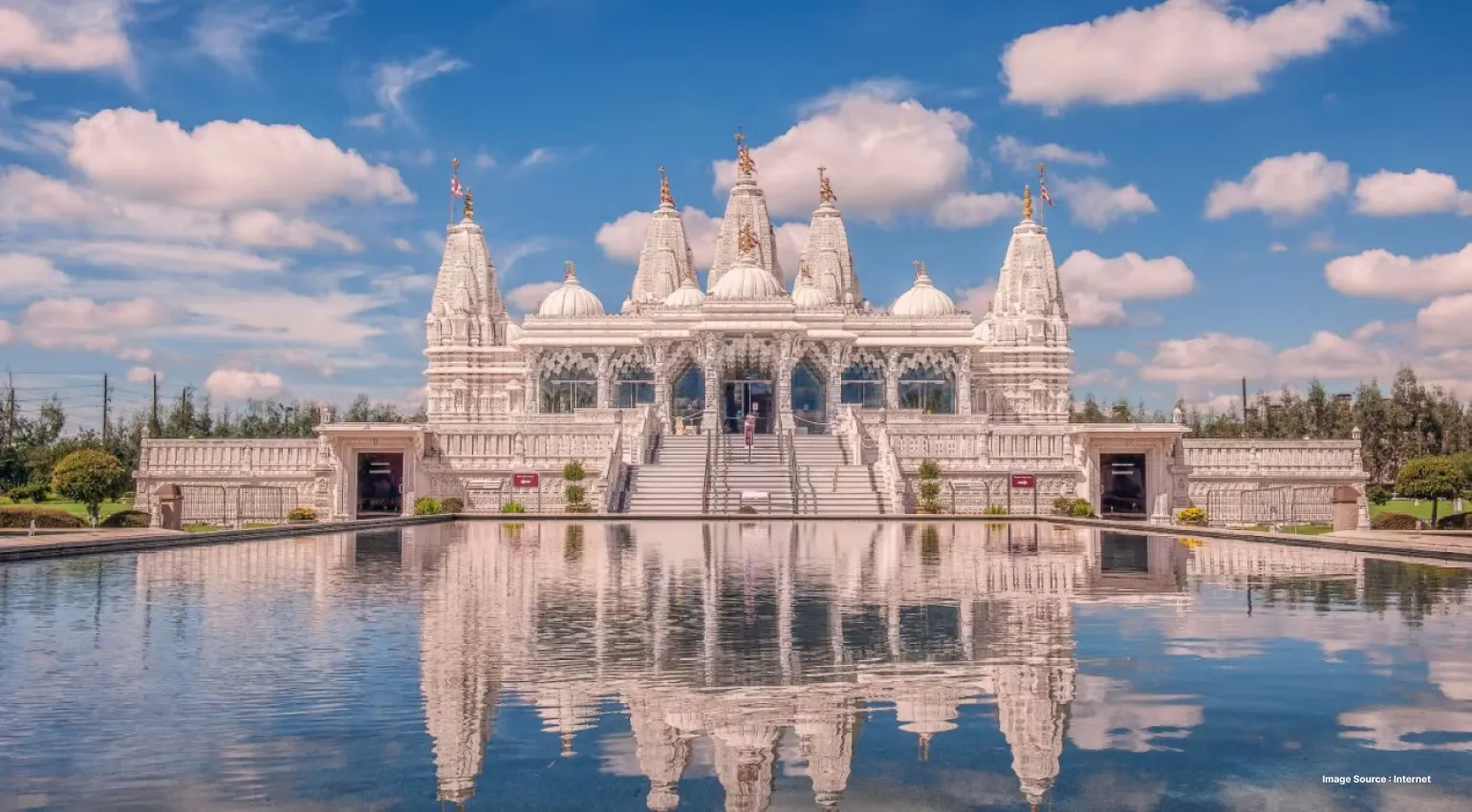
Hindu Temples in the USA

The True Meaning Behind The Festival of Light

Sacred Myths or Misunderstood Realities?
The Richest Indian Tradition

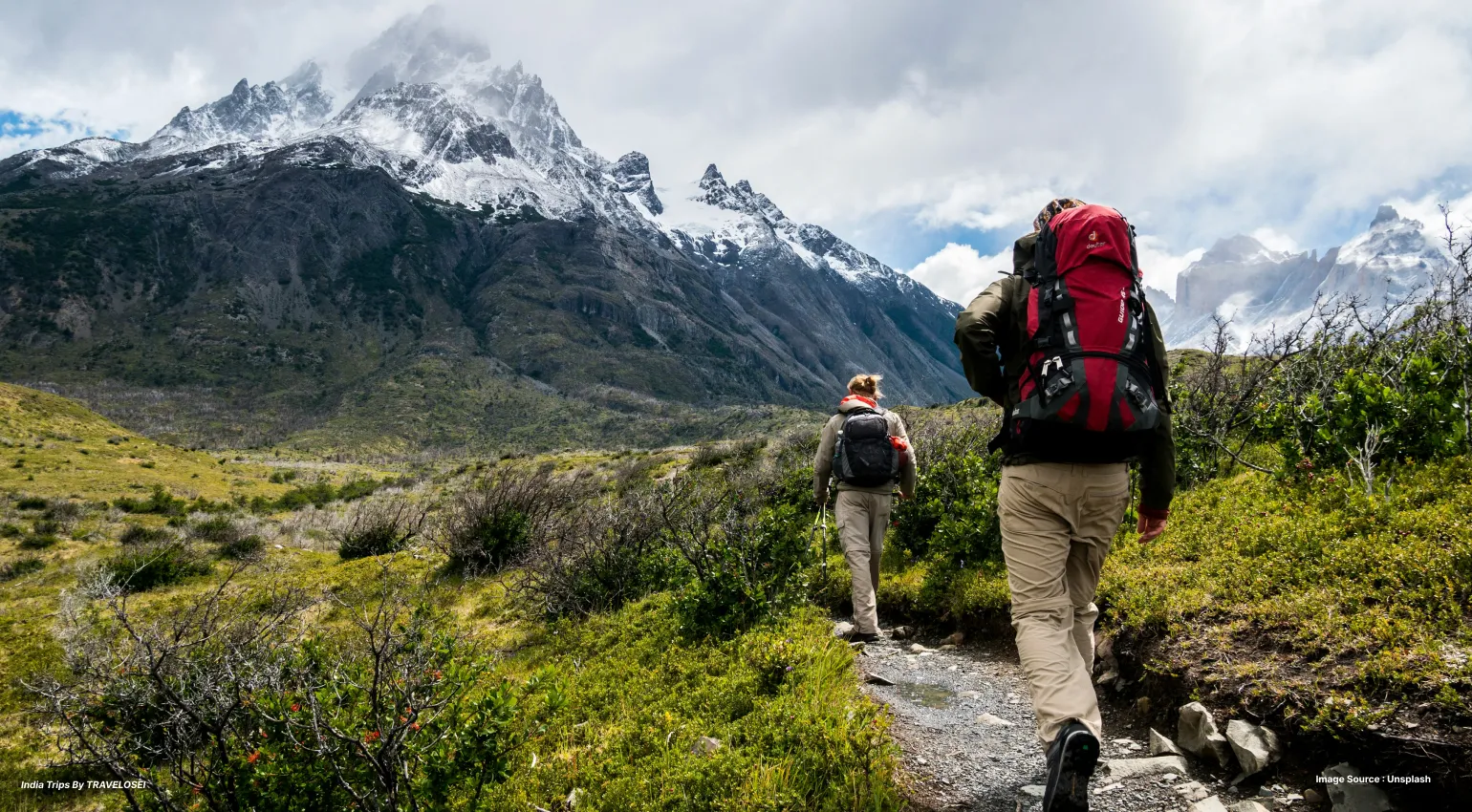
The Camping Gear Guide
Sea to Summit dry bag

Backpacking Sleeping Pad

Top 6 Places to Travel in December
TRAVELOSEI PROMISE
What To Expect?

The Real India,
Re-Imagined For You
India is not just a destination - it's a world with-in the world. TRAVELOSEI go far beyond guide-books to offer you an India that is authentic yet exclusive, spiritual yet sophisticated delivered through private doors, rare access, and impeccable attention to details.

Trusted By Global Elites
From World Class Leaders to Forbes Listed Families and international Royalties to
visionary CEOS.
Our clientele chooses us for one reason - We Know India. Over two decades of providing
experiences which aren't just luxurious - they are intimate, curated & wildly rare.

Bespoke Travel Experience
For those who seek truth in detail, art in hospitality, and identity in experience. Our Luxury Travel Architect work discreetly and personally with you to craft travel experiences that go beyond 5 Stars, where every detail whispers luxury - and legacy.

White-Glove Concierge
24 X 7 Dedicated Concierge Support even in the wildest corners of India. At TRAVELOSEI, our concierge team ensures that everything-from airport- tarmac pick-ups, last minute reservations and private spiritual sessions - is handled before you even ask.


