
Last Updated : Jun 01, 2026 | Author : Tia | View Count : 502 | Read Time : 6 min
How to Plan an India Trip: The Complete Guide for First-Time Travelers
Planning a trip to India for the first time can be quite daunting, but this colourful gem is on every traveller’s bucket list, and through this guide, we’ll have you covered with everything you need to know before you embark on your voyage to this diverse heartland. This guide will discuss everything from when’s the best time to go to what you should carry to make your travel in the subcontinent smoother and easier!
As an American, is it difficult to plan a trip to India?
With a bit of research on your side, it’s quite doable. After you’ve sorted out how to plan and take an India trip for the first time, and found which regions suit your travel style, pace, and vibe, things fall into place quite nicely and quite fast.
Choose the Right Time to Visit: India's Seasons Explained
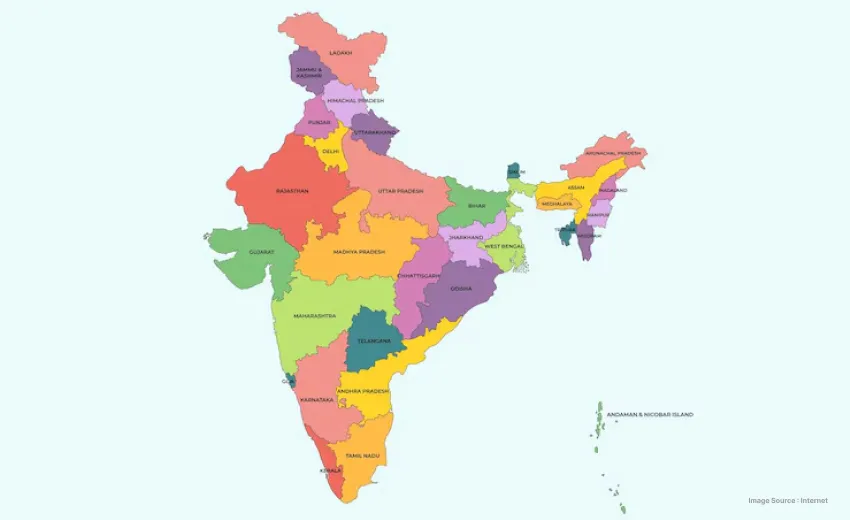
It’s important that before you decide where you want to go, you’re clear about when you want to go, as the weather conditions will affect the impact and environment of your trip significantly. India has 3 major seasons: October to March is considered the winter period, summer falls between April and June, and lastly Monsoon, which is unique to India’s climate, is from July to September. Winter seems to be the most suitable time for Americans who are planning a trip to these areas, as the weather is cooler, and it’s more tolerable than the scorching heat. This works best when planning trips to cities like Delhi, Agra, or Jaipur in the north of India. The south mostly stays warm year-round, but it’s slightly cooler during October - February, which is why most people deem that to be the ideal time to visit there as well.
In terms of making the most bang out of your buck, the key is to book during July, right at the start of the monsoon season. This is because there are fewer tourists during this time, and so hotel rooms are cheaper. The only issue with this is that most are reluctant to travel during this time because, due to the heavy rains, the roads may be blocked, and some monuments or sites may be harder to access during this time due to maintenance issues, so keep the impact of the weather in mind before booking your trip!
TL;DR: Winter is the best time for most travelers to visit India.
North, South, East, or West: Picking the Best Region for Your Interests
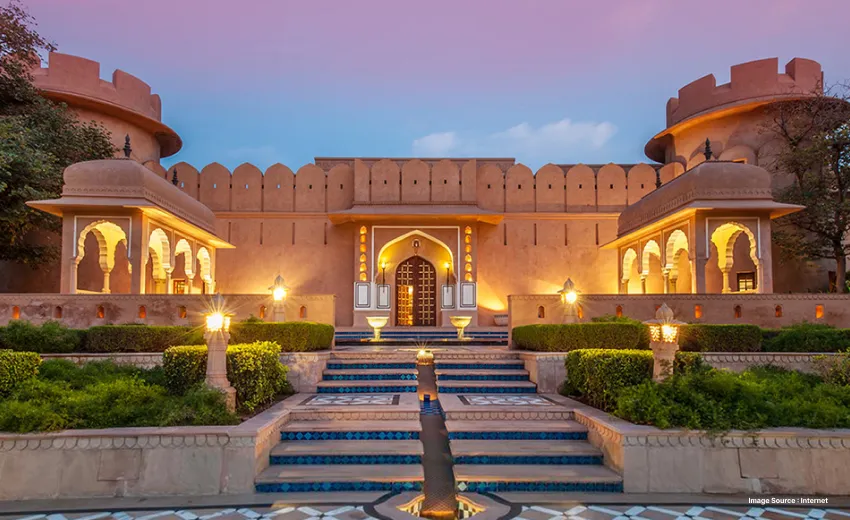
India is a huge country, which is why it can be intimidating to plan a trip. It’s definitely not possible to see all of it in one trip, so you’ll have to keep on coming back for more, but the best thing you can do is narrow down what you're interested in seeing, if it’s monuments, then the north may be closer to your needs, you can narrow it down to places like the golden triangle (Delhi, Agra and Jaipur), history is embellished in these areas; from the Himalayas to Varanasi there is not a single site to miss! So if you’re on the hunt for temples, palaces, and iconic landmarks, then visiting the north of India is your best bet.
If you’ve already set your heart on the south, then don’t worry, there’s still lots of culture here to witness, as well as traditional Dravidian architecture, and the beautiful scenic views. The South offers a completely different experience. Between the two, the south is often considered easier to navigate as well and is considered a little more relaxed in terms of crowding than the north.
The East, especially West Bengal and Odisha, is off the typical tourist trail but rich in culture and art. The West covers Rajasthan (which overlaps with the north), Mumbai, and Goa, which is a favorite for travelers who want beaches along with culture.
For a first trip, most people stick to the north or the south. Trying to cover both in one trip can get exhausting fast.
TL;DR: A daily budget of $50 to $100 per day in India is enough for a budget traveler.
Visas, Vaccinations, and Documents You Can't Afford to Forget
Before planning your trip, it’s essential to get your documents organised. Most Americans require a visa to enter India. To streamline this process and make it smoother, the Indian government has introduced the option of an E-Visa. This visa can be applied for through the official Indian government portal. For hassle-free travel, the process has been simplified to its core. All you have to do is fill out the information on the form to the best of your ability, upload the necessary documents, which are standard for any visa process. Lastly, pay the fee, and you should receive an approval in a couple of days, usually 3-4. It’s good to apply at least 2-3 weeks prior to the trip to give yourself time to sort everything out and fix any mistakes if they ever occur.
When discussing the medical documents and maintenance of your health before travelling, the CDC recommends that you’re up-to-date on your vaccines and also consider shots for typhoid, hepatitis A, and hepatitis B, depending on your itinerary. This is where having a tour guide can come in handy, as they can inform you of specific requirements directly.
Lastly, a lot of people skip over this, but get your travel insurance; it may be an extra cost, but it can save you from a lot of trouble when you’re in the country. Medical care is excellent in major Indian cities, and having insurance gives you easier access to it when necessary. This also gives you peace of mind if you face issues such as lost baggage or trip cancellations. It’s always better to be on the safe side, so sign up for that insurance before you pack your bags!
Building Your Itinerary: How Many Days Do You Actually Need?
The answer to this question absolutely depends on where you plan on going and what you’re intending on covering. A good starting point is to aim for about 2-3 weeks. This allows you to look at everything at your own pace and really settle into your environment instead of just passing through it. Now, these things are easier said than done, so we’re going to provide a sample itinerary below to make it clear what a 2-week itinerary could look like.
A classic two-week north India itinerary might look like this: three days in Delhi, a day trip to Agra for the Taj Mahal, three days in Jaipur, and then a few days somewhere quieter like Rishikesh or Varanasi. If you are doing the south, two weeks gets you through Bangalore, Mysore, Kochi, the Kerala backwaters, and maybe a day or two on the beach.
It’s enticing to pack everything into one trip, but India rewards slow travel, and the best experiences often happen when you’re not being rushed from one landmark to the next.
Getting Around India: Trains, Flights, and Everything In Between

We’ve already discussed travelling in local areas through ride share apps like Uber or Ola, even using auto rickshaw services from local drivers, but let’s discuss long-term travel options.
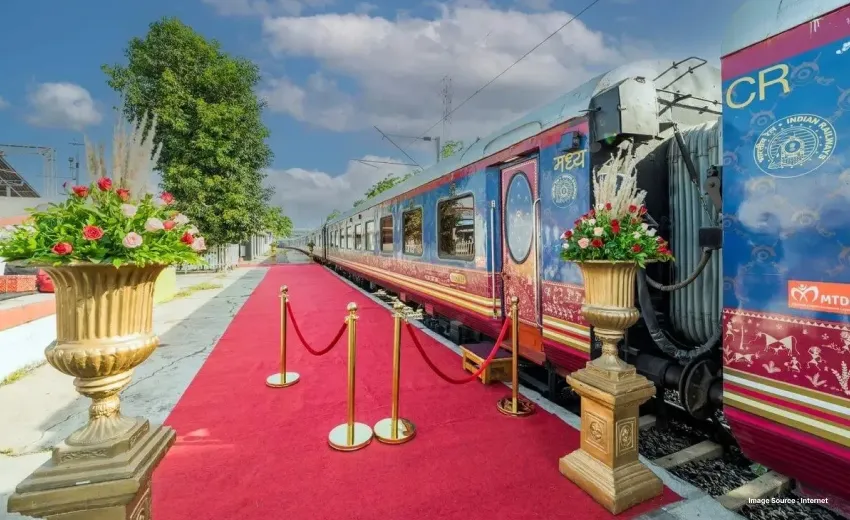
India has one of the largest rail networks in the world, and taking the train between cities is one of the best parts of the experience. Book train tickets in advance through the IRCTC website or apps like MakeMyTrip or Cleartrip. For a budget option, the sleeper class is absolutely the most suited, but as mentioned earlier, if you’re traveling through the summer or in general doing overnight stays, the AC tier may be more comfortable. The other option is to travel by plane. This may be more suited if, let’s say,
you’re traveling from north to south or the other way around, because it could usually take about 2-3 days to travel that distance via train. Planes are the next best thing for efficiency and easy commute for these situations. Airlines like IndiGo and Air India connect all of the major cities, flights are only about 2-3 hours, and the tickets booked early are affordable.
Where to Stay: From Heritage Hotels to Budget Hostels
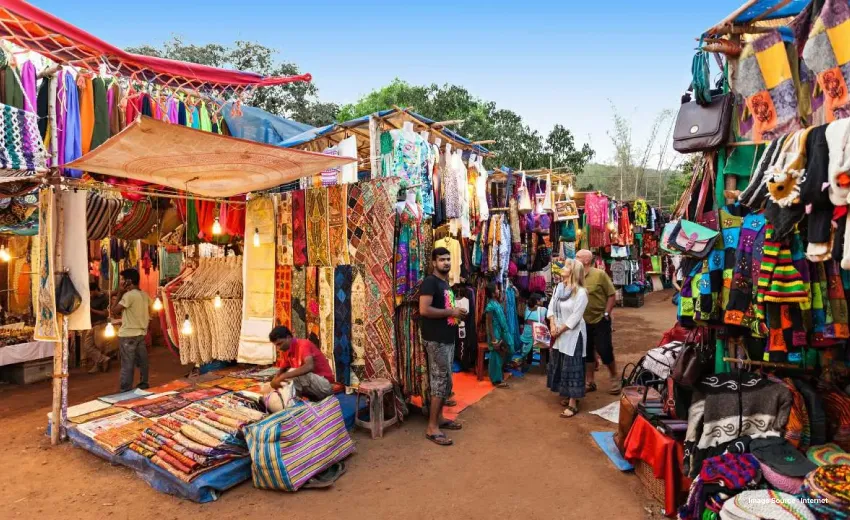
There’s accommodation for every type of traveller, and reputable accommodation is available in every major tourist city. The midrange hotels offer solid value in comparison to the exchange rate in the United States.
India has accommodation for every type of traveler. Budget backpackers will find plenty of clean, well-reviewed hostels in major tourist cities. Mid-range hotels are plentiful and generally offer solid value compared to what you would pay in the US.
The standout option that is unique to India is the heritage hotel: old forts, havelis, and palaces that have been converted into hotels. Rajasthan has the best concentration of these. They are not always as expensive as you might think, and staying in one genuinely adds something to the trip.
TL;DR: Hostels and mid-range hotels cover everything else without breaking the bank.
FAQs
1. Do I need a visa to travel to India as an American?
Yes. Americans need a visa to enter India. You can apply for an e-Visa online through the official Indian government website.
2. Is India safe for solo American travelers?
Generally, yes, especially in popular tourist areas. Solo female travelers should take extra precautions, like booking reputable accommodations and avoiding isolated areas at night. Use trusted transport apps and stay aware of your surroundings.
3. How far in advance should I book trains in India?
At least two to four weeks in advance. Trains sell out fast; the earlier the better.
4. Do I need travel insurance for India?
Yes, travel insurance guarantees that you can cover emergencies like medical expenses, trip cancellations, and lost baggage. So it’s always better to be on the safe side.
Plan your bespoke india journey today
tell us what inspires you - and we will handcraft an experience that mirrors your elegance, pace & personality.
START PLANNINGTrending Travel Stories
Stay inspired with our most popular travel stories, practical advice, and must-read destination guides.
Hindu Temples in the USA

The True Meaning Behind The Festival of Light
Sacred Myths or Misunderstood Realities?
The Richest Indian Tradition

The Camping Gear Guide
Sea to Summit dry bag

Backpacking Sleeping Pad

Top 6 Places to Travel in December
TRAVELOSEI PROMISE
What To Expect?

The Real India,
Re-Imagined For You
India is not just a destination - it's a world with-in the world. TRAVELOSEI go far beyond guide-books to offer you an India that is authentic yet exclusive, spiritual yet sophisticated delivered through private doors, rare access, and impeccable attention to details.

Trusted By Global Elites
From World Class Leaders to Forbes Listed Families and international Royalties to
visionary CEOS.
Our clientele chooses us for one reason - We Know India. Over two decades of providing
experiences which aren't just luxurious - they are intimate, curated & wildly rare.

Bespoke Travel Experience
For those who seek truth in detail, art in hospitality, and identity in experience. Our Luxury Travel Architect work discreetly and personally with you to craft travel experiences that go beyond 5 Stars, where every detail whispers luxury - and legacy.

White-Glove Concierge
24 X 7 Dedicated Concierge Support even in the wildest corners of India. At TRAVELOSEI, our concierge team ensures that everything-from airport- tarmac pick-ups, last minute reservations and private spiritual sessions - is handled before you even ask.


