
Last Updated : Apr 15, 2026 | Author : Suruchi Singh | View Count : 1741 | Read Time : 6 min
Poas Volcano National Park Safety Alert: What Every Visitor Must Know
Costa Rica is a gorgeous country with a wealth of natural wonders to explore. If it’s on your travel list already, you surely have the Poas Volcano National Park circled. Located at a whopping 9,000 feet above sea level, it hosts one of the widest active craters on Earth. But before you book your flights, it’s worth noting that it’s still an active volcano, and visiting will always come with serious considerations.
Is Poás Volcano National Park safe for American tourists to visit?
It boils down to the timing, real-time updates, and preparation. Conditions there can change faster than most travelers expect. The Poas Volcano National Park safety alert has changed multiple times in the past year, too. It’s advised to keep an eye on the current alert levels and pack the right gear before leaving.
Is Poás Volcano National Park Safe to Visit Now?
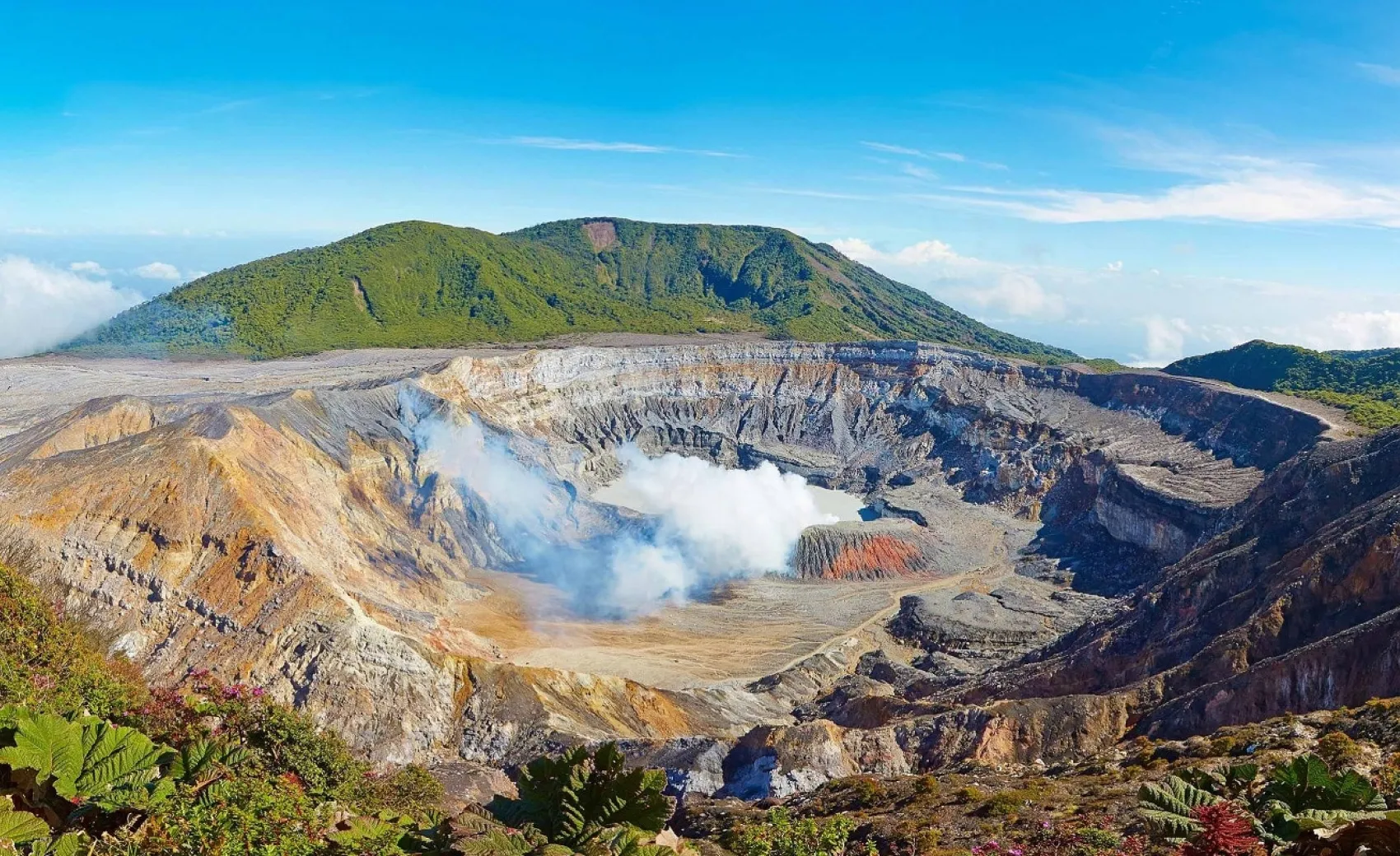
In simple words, it’ll depend on when you’re going and what the current alert level is.
The park had a major closure in 2025 owing to a significant eruptive phase starting on March 23. Ash columns shot up to 4,500 meters above the crater, and the Costa Rican National Emergency Commission (CNE) issued a Red Alert for the park. Even the U.S. Embassy in the country also put out its own safety alert, urging its citizens to keep away and stay aware of the news.
However, once the scientific agencies confirmed a reduction in the volcanic activity there, the alert was brought back down to green. But it’s worth noting that the conditions at Poas can change unexpectedly fast. A green alert today cannot guarantee one tomorrow. Authorities operate on what they call a "dynamic access" model, which means any spike in activity can lead to an immediate closure with very little notice.
TL;DR: As the park can close with almost no warning, considering the real-time volcanic activity, it’s better to check for updates online before traveling.
What Gases Make Poás Volcano Dangerous for Visitors?
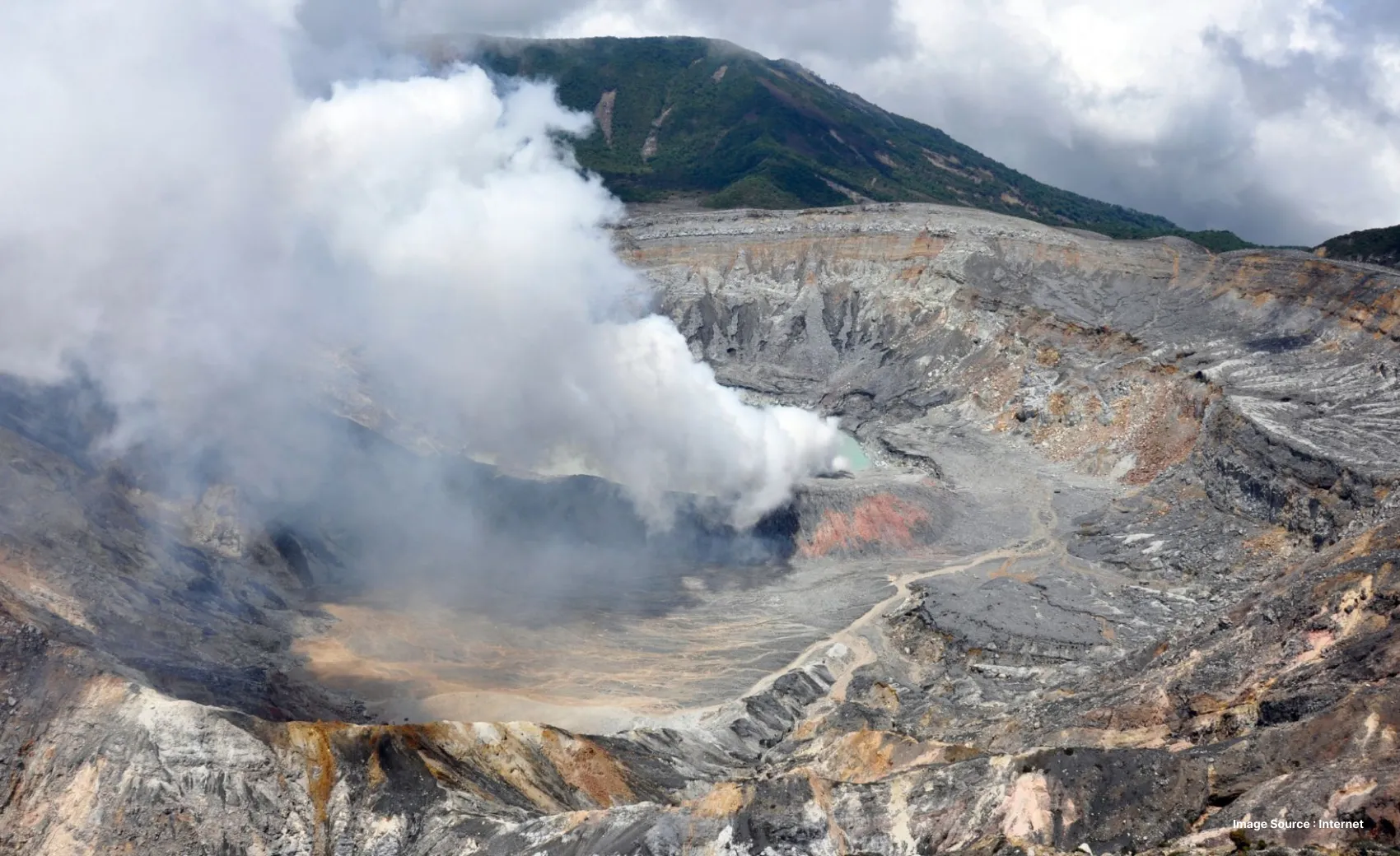
This is where things get real. Poas is not just a pretty hole in the ground. It actively releases large amounts of sulfur dioxide (SO2) and hydrogen sulfide (H2S), both of which are harmful to breathe, especially for people with asthma, heart conditions, or other respiratory issues.
During active phases, the volcano has emitted hundreds to thousands of tons of sulfur dioxide per day. Even when the park is open and on a green alert, gas levels are monitored continuously by sensors throughout the park. If readings spike, rangers can clear the crater viewpoint immediately.
Sulfur dioxide smells like burnt matches and can irritate your eyes, nose, throat, and lungs within seconds of exposure. Hydrogen sulfide smells like rotten eggs and is actually more dangerous at higher concentrations because it can affect your nervous system. When you are standing at the crater rim, you are breathing in air that may carry both of these gases, depending on wind direction.
This is why the Poas Volcano National Park safety alert issued by authorities is not just bureaucratic caution. It is grounded in real chemical hazards that exist every single day at this site, not just during eruptions.
People with asthma, young children, the elderly, or anyone with existing lung or heart conditions should consult a doctor before visiting and should be extra cautious about how long they spend near the crater.
How Close Can You Get to the Crater Safely?
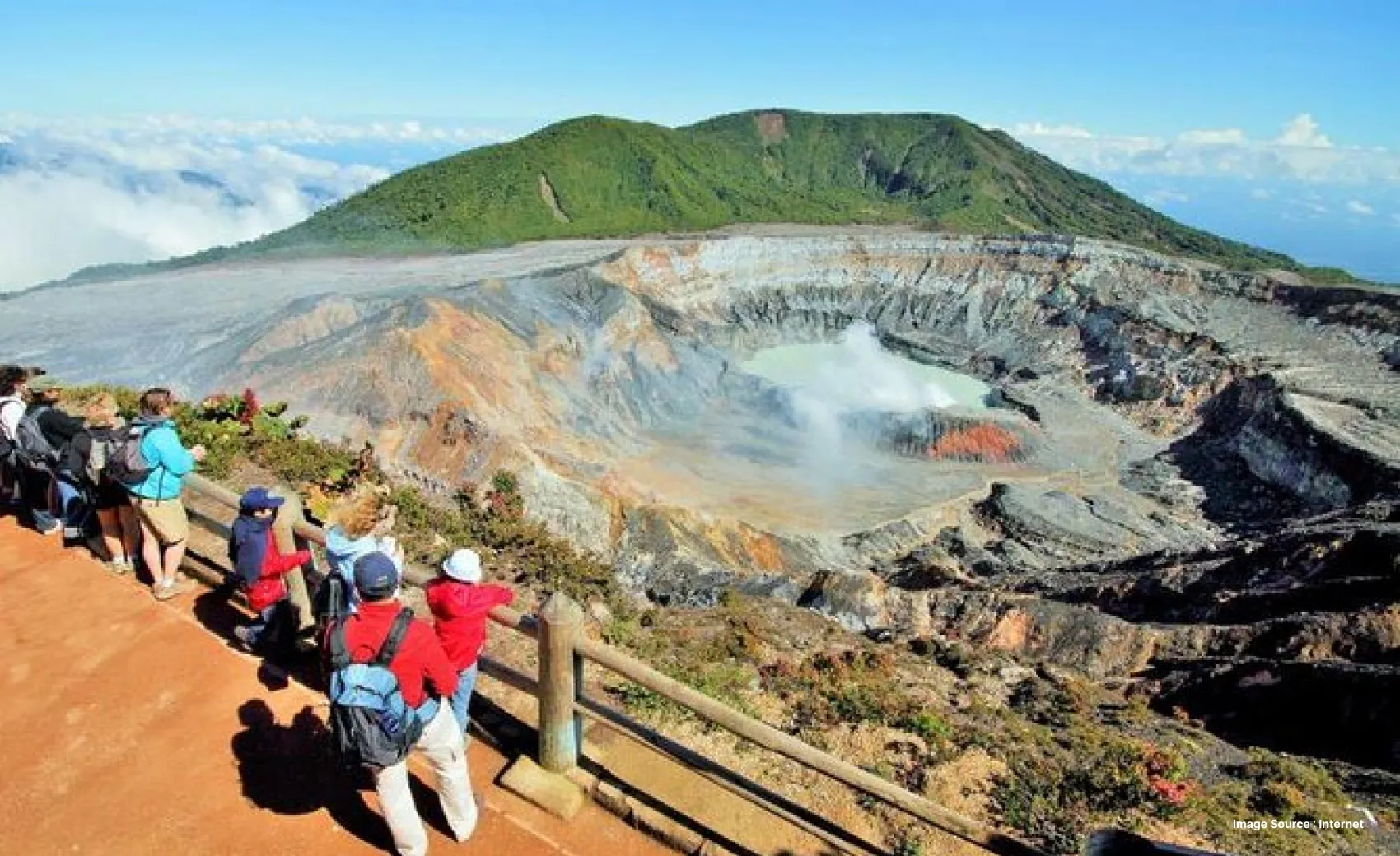
You can get surprisingly close beside the time when there is a Poas Volcano National Park Safety Alert, but only under strict rules. Visitor access has been limited to 56 people per shift, with a 20-minute maximum stay at the crater overlook. That 20-minute limit is not a suggestion. It is a hard rule enforced by park rangers.
Visitors are required to wear helmets when at the crater viewpoint, and the Botos Trail has been closed as an additional safety measure. Anti-ballistic shelters are installed at the viewpoint, and signs inside these shelters, available in both Spanish and English, warn visitors about risks like falling rocks, ash, and toxic gases, and explain what to do in an emergency.
Staying on the marked trails and inside the designated viewing areas is non-negotiable. Rangers and park staff are stationed there to enforce these rules, and they will remove visitors who do not comply. This is not a place where you can wander off the beaten path to get a better photo. The ground near the crater is unstable, and gases can be concentrated in unpredictable pockets just a few steps off the trail.
For the most up-to-date rules on viewing distances and access, visit the SINAC official park page before your trip.
TL;DR: You can reach the crater viewpoint for the best view. However, helmets are mandatory, and visits are capped at 20 minutes per shift.
How Do You Reach Poás Volcano National Park Safely?
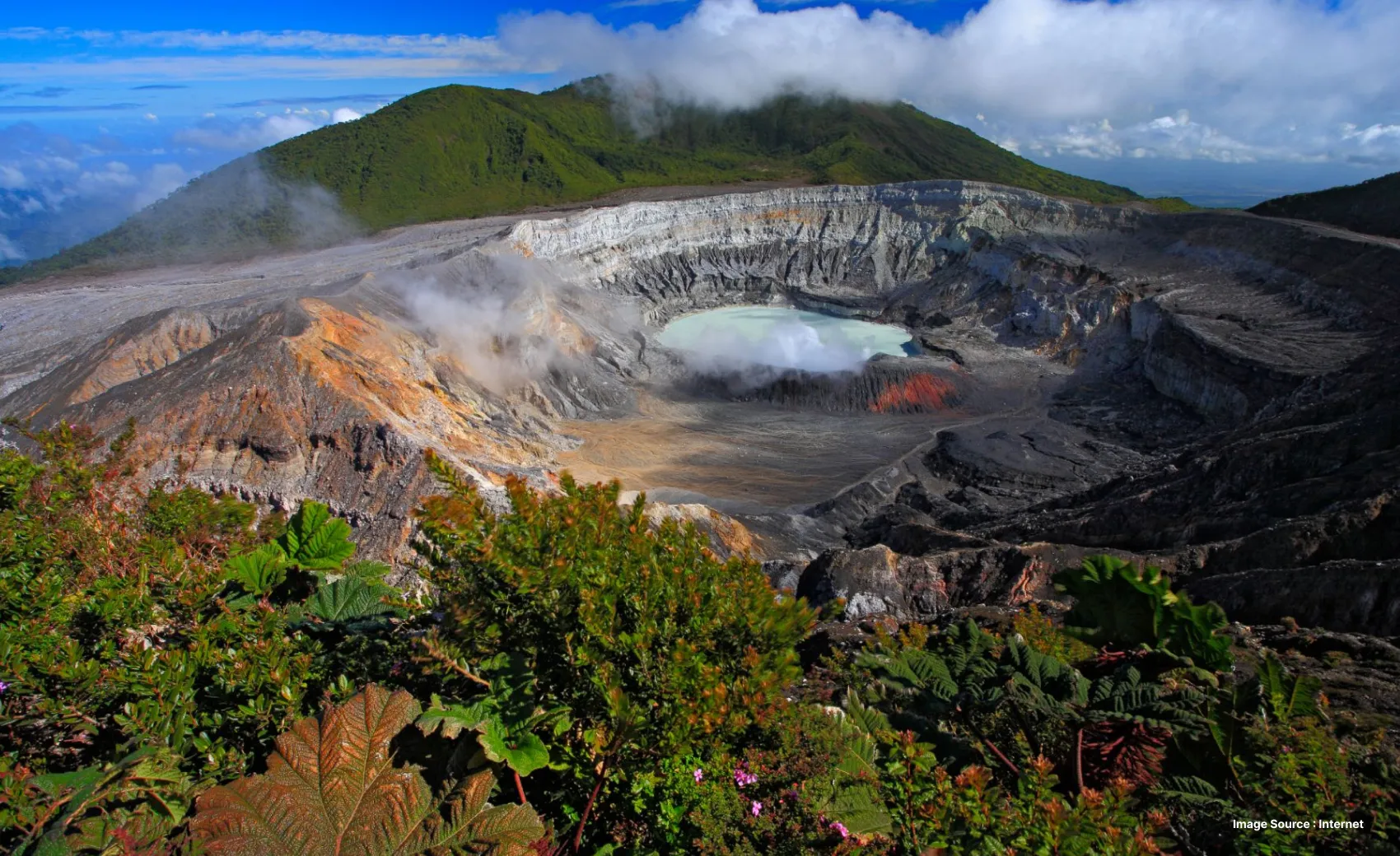
Poas is about an hour's drive north of San Jose, but do not let that fool you. The roads leading up to the park are steep, narrow, and can get slippery when wet. You will want a car with decent ground clearance, and if it has been raining, go slow.
Most visitors drive up from San Jose or from the city of Alajuela, which is close to the international airport. There are also organized tours that pick you up from your hotel in San Jose and bring you directly to the park. If this is your first time driving in Costa Rica, a guided tour might honestly be your safest bet.
One thing that catches a lot of American visitors off guard: you need to buy tickets in advance online and have your confirmation ready on your phone when you arrive, since cell service at the park can be spotty. Walk-up tickets are not available. Head to www.sinac.go.cr, create an account, and book your specific time slot. Time slots are available starting at 8:00 a.m., and morning slots are strongly recommended because the crater tends to cloud over by midday.
Access to the park is only permitted through official entry points, and MINAE has urged the public not to enter through unauthorized routes or high-risk areas.
What Should You Pack for a Safe Poás Visit?
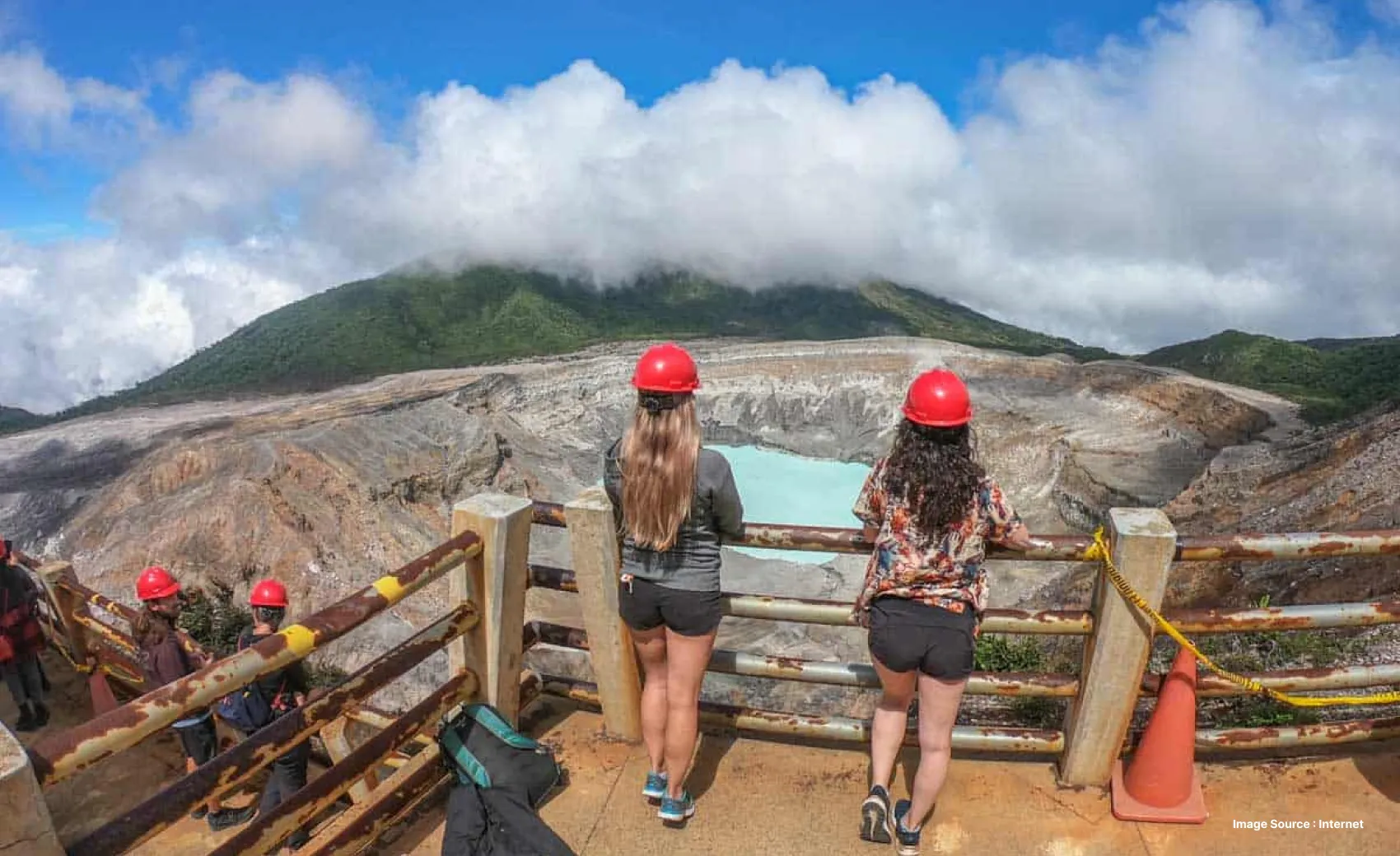
Packing smart for Poas is not about being dramatic. It is about being comfortable and ready for conditions that can shift quickly.
Start with layers. The summit sits at an elevation of 8,885 feet, and it can be chilly and windy even on a sunny day. A waterproof jacket is a smart call because clouds and light rain can roll in fast. Wear closed-toe shoes with a good grip because the paths can be wet and muddy.
Bring a gas mask or, at a minimum, an N95 respirator if you have one. The park may hand out basic masks, but having your own quality respirator adds an extra layer of protection against sulfur dioxide. Eye protection like wraparound sunglasses or goggles can help too, especially if it is windy near the crater.
Carry water and a snack since the visit is timed and you will be moving around in cool, high-altitude air. Sunscreen still matters at elevation even on cloudy days.
If you have an inhaler or any respiratory medication, keep it in your pocket, not your bag. And make sure your phone is charged, since you will need your ticket confirmation on it.
For more tips on preparing for active volcano visits in Costa Rica, you can check out the U.S. Embassy Costa Rica travel resources page, which also publishes real-time safety alerts for American travelers.
Where Should You Go During an Emergency Evacuation?
Knowing this before you set foot in the park is just as important as anything else in this Poas Volcano National Park safety alert guide.
If rangers announce an evacuation, move quickly but calmly toward the anti-ballistic shelters at the main viewpoint first. These are reinforced structures designed to protect you from falling rocks and ash. Do not run toward your car immediately if the danger is at the crater, because the shelters closer to you offer better immediate protection.
Follow all ranger instructions without question. They are trained specifically for these scenarios and have real-time information from gas sensors and monitoring equipment that you do not have access to. If you are told to leave the park, exit through the main gate only and drive downhill away from the volcano, not uphill toward restricted areas.
If you are in an area affected by ash or gas odors, keep your car windows closed, cover your respiratory system and eyes, and protect any electronic equipment you have.
After leaving, tune into local radio or check CNE updates online. Do not re-enter the park until authorities officially announce it is safe. With this Poas Volcano National Park safety alert knowledge in hand, you are far better prepared than the average visitor.
Poas is an incredible place and absolutely worth visiting when conditions allow. Just go in informed, follow the rules, and respect what this volcano is capable of.
Frequently Asked Questions
1. Is Poás Volcano National Park currently open to visitors?
As of the most recent updates, the park reopened on July 30, 2025, following a closure due to elevated volcanic activity. However, closures can happen with little notice based on real-time conditions. Always check www.sinac.go.cr before your visit.
2. Do I need to book tickets in advance for Poás Volcano National Park?
Yes, tickets must be purchased online in advance through the SINAC website. Walk-up purchases are not available, and you will need your confirmation ready on your phone at the gate.
3. Can people with asthma visit with Poas Volcano National Park Safety Alert?
It is strongly advised that anyone with asthma, respiratory conditions, or heart issues consult a doctor before visiting. Gas levels at the crater can irritate the lungs and airways quickly, and conditions can change without warning.
Plan your bespoke india journey today
tell us what inspires you - and we will handcraft an experience that mirrors your elegance, pace & personality.
START PLANNINGBlogs Categories
It is a Sanskrit verse taken from an ancient Bharat (Indian) scripture
which means ‘The Guest is like God’.
In Bharat (India), guests are always welcomed with open arms and given

WANDER INDIA
Your go-to guide for exploring the best of India.

FESTIVALS OF INDIA
Festive Flavours

INDIAN HERITAGE
An enticing showcase of India’s glorious 5,000 year old history & heritage.
SACRED SPIRITUAL JOURNEYS
Discover what gives India the mystics that the world adores

TRAVEL TALES
Make the simplest of journeys unforgettable with hidden gems tours & extravagant stays.
You Will Like These Too...
It is a Sanskrit verse taken from an ancient Bharat (Indian) scripture
which means ‘The Guest is like God’.
In Bharat (India), guests are always welcomed with open arms and given






TRAVELOSEI PROMISE
What To Expect?

The Real India,
Re-Imagined For You
India is not just a destination - it's a world with-in the world. TRAVELOSEI go far beyond guide-books to offer you an India that is authentic yet exclusive, spiritual yet sophisticated delivered through private doors, rare access, and impeccable attention to details.

Trusted By Global Elites
From World Class Leaders to Forbes Listed Families and international Royalties to
visionary CEOS.
Our clientele chooses us for one reason - We Know India. Over two decades of providing
experiences which aren't just luxurious - they are intimate, curated & wildly rare.

Bespoke Travel Experience
For those who seek truth in detail, art in hospitality, and identity in experience. Our Luxury Travel Architect work discreetly and personally with you to craft travel experiences that go beyond 5 Stars, where every detail whispers luxury - and legacy.

White-Glove Concierge
24 X 7 Dedicated Concierge Support even in the wildest corners of India. At TRAVELOSEI, our concierge team ensures that everything-from airport- tarmac pick-ups, last minute reservations and private spiritual sessions - is handled before you even ask.


