
Last Updated : Apr 07, 2026 | Author : Tanya Prasad | View Count : 2094 | Read Time : 5 min
TSA Rule Has Just Been Changed: Every American Flyer Needs to Know This Right Now
If you fly even a few times a year, keeping up with airport security changes can feel like its own chore. But falling behind on the current TSA Rule can slow you down at the checkpoint, get your bag flagged, or leave you standing at the gate without valid ID. One of the bigger conversations going around right now involves the TSA Rule Announces Clear Bags policy, which has a lot of travelers wondering what they actually need to pack and how.
What does the new TSA Rule mean for American travelers in 2026?
The TSA Rule covers quite a bit more than just what goes in your carry-on bag. It affects how you prove your identity, what you can carry, and how you move through security. If you have not brushed up on it lately, there is a good chance something has changed since you last flew.
TSA Rule Announces Clear Bags: Rumor or Not?
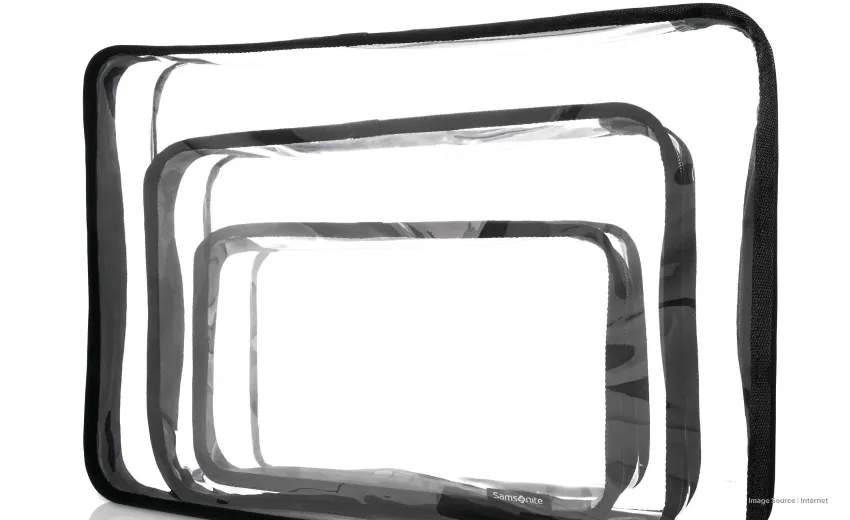
This one can be put to rest right away. The story circulating about the TSA Rule Announces Clear Bags requirement applying to your entire carry-on bag was an April Fools joke. It was published by a travel site and was never based on any real policy announcement from TSA. No such rule exists, and TSA has not proposed one. The confusion spread quickly because it was written in a convincing, news-style format, but there is no truth to it.
What does remain in place is the longstanding 3-1-1 rule. Liquids, gels, and aerosols in your carry-on must be in containers of 3.4 ounces or less, and all of them need to fit inside one quart-sized, clear plastic bag. That policy has not changed. The TSA Rule Announces Clear Bags headline made for a believable joke precisely because the 3-1-1 liquid bag rule has been a real requirement for years. But your regular carry-on bag does not need to be clear, and there is no pending regulation that would change that. If you see this story still being shared online, it is safe to ignore it.
TL;DR: The clear bag requirement applies to liquids only, not your whole carry-on.
Flying With CBD, or Prescription Drugs: What TSA Enforces
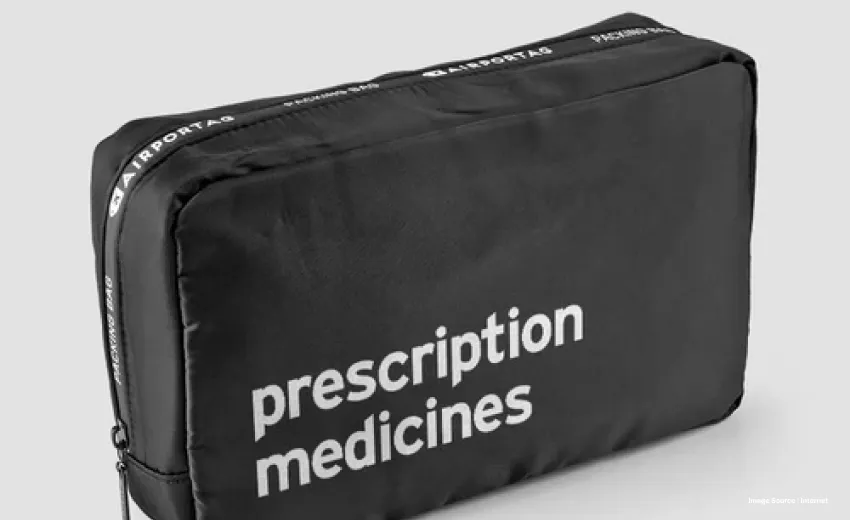
This is one of the most common questions travelers have, and the answer depends on what exactly you are carrying. TSA is a security agency, not a drug enforcement agency. Their job is to find threats to aviation safety, not to go through your prescriptions. That said, if they come across something illegal, they are required to report it to law enforcement. For prescription medications, you can carry them in your carry-on or checked bag. You do not legally need to have them in labeled bottles, but keeping them labeled makes the process much smoother. For CBD, hemp-derived products with less than 0.3% THC are federally legal and should not be flagged. Marijuana-derived CBD is still federally illegal, even if you are flying between two states where recreational use is legal. The TSA Rule on this has not changed: officers are not actively looking for cannabis, but if they find something questionable, local law enforcement gets involved. When in doubt, check the official TSA list here.
Traveling With Lithium Batteries, Power Banks, and E-Cigarettes
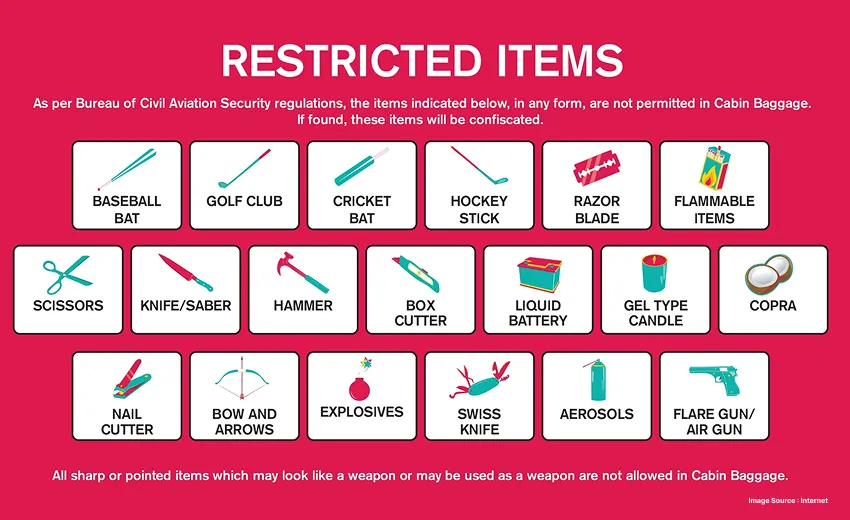
This is one area where people get stopped more than they expect, and the rules are pretty specific. Lithium batteries and power banks must go in your carry-on bag, not your checked luggage. This covers spare laptop batteries, phone battery packs, and portable chargers. The reason is that lithium fires are much easier for the crew to manage in the cabin than in the cargo hold below. Power banks over 100 watt-hours need airline approval before you bring them on board, and anything over 160 watt-hours is generally not allowed on commercial flights. E-cigarettes and vaping devices must also travel in your carry-on or on your person. You cannot use them on the plane, and most airlines also prohibit charging them mid-flight. Pack them in your checked bag and there is a good chance you will lose them at the checkpoint.
TL;DR: Lithium batteries, power banks, and vaping devices all belong in your carry-on.
REAL ID Is Here: What Still Counts as Acceptable ID at the Checkpoint
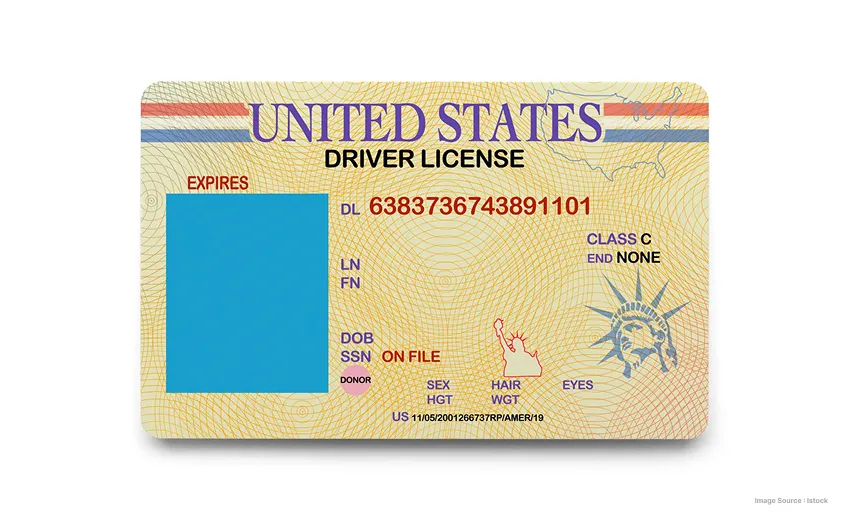
REAL ID enforcement has been fully active since May 2025, and it is no longer something you can put off. A standard state driver's license without a gold or black star in the upper corner will not get you through a domestic airport checkpoint on its own. If your license has that star, you are all set. If it does not, you need a backup. Acceptable alternatives include a US passport, a passport card, a Department of Defense ID, a permanent resident card, or a federally recognized tribal photo ID. Some states were slower to get their REAL ID programs running, so if your license is not compliant yet, check your state DMV's website and schedule an appointment. The process usually just requires a few documents and an in-person visit. Getting this sorted before your next trip is a lot easier than scrambling at the checkpoint.
TSA PreCheck in 2026: New Lanes, More Airports Worth It?
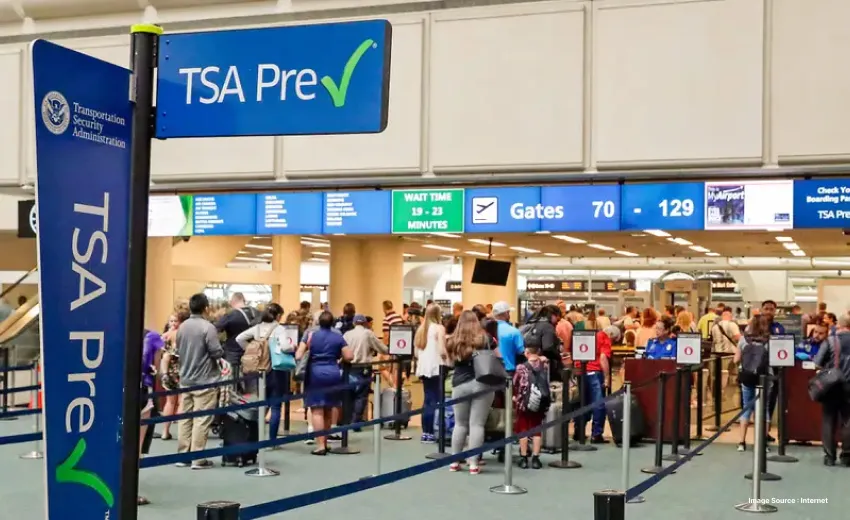
TSA PreCheck continues to be one of the most practical investments for anyone who flies with any regularity. With PreCheck, you do not have to remove your shoes, laptop, or liquids at the checkpoint, and the lanes tend to move significantly faster. As of 2026, PreCheck is available at over 200 US airports and through more than 85 airlines. Enrollment costs $78 for five years, and renewal is $70. You can enroll through IDEMIA, Telos, or other approved providers, many of which have locations in most major cities. If you travel internationally, Global Entry is worth considering instead, since it includes TSA PreCheck and only costs a bit more. You can find an enrollment center near you.
What TSA's Quiet Disability Notification Program Means
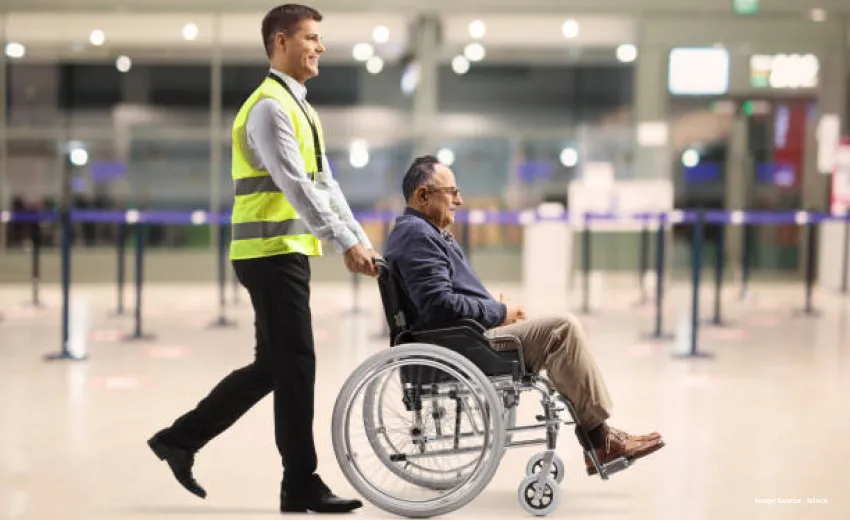
TSA has a couple of programs specifically designed to help travelers who have disabilities, medical conditions, or sensory sensitivities. The TSA Cares helpline (1-855-787-2227) lets you call at least 72 hours before your flight to request additional support at the checkpoint. There are also Passenger Support Specialists at airports who are trained to assist travelers who need extra time or a more tailored screening process. Some US airports also recognize the Hidden Disabilities Sunflower program, where wearing a sunflower lanyard lets staff know you may need a little extra patience or assistance. TSA officers at participating airports are trained to recognize it. None of these programs bypass the screening process, but they can make it a lot less stressful for travelers who need it. If you are traveling with someone who has a medical device or condition, calling TSA Cares ahead of time is genuinely useful.
When TSA Gets It Wrong: Your Rights at the Checkpoint and How to File a Complaint
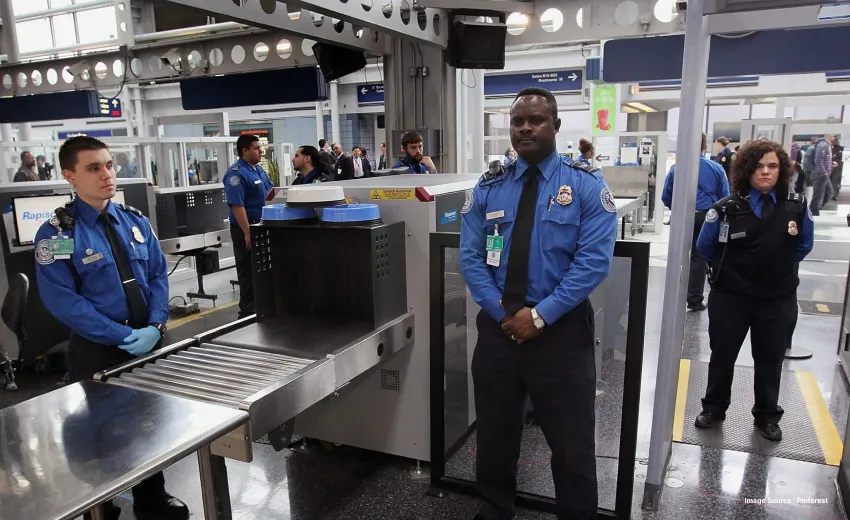
TSA officers have significant authority at the checkpoint, but they are still accountable. If you feel you were treated unfairly, singled out inappropriately, or subjected to a search that crossed a line, you have real options. First, stay calm at the checkpoint. You can ask for a supervisor if something feels wrong, and you have the right to ask why you were selected for additional screening, though the officer is not always required to explain.
After your trip, you can file a complaint with the TSA Contact Center online or by calling 1-866-289-9673. If your complaint involves civil rights or discrimination, you can also contact the Department of Homeland Security Office for Civil Rights and Civil Liberties. Write down what happened as soon as you can, including the date, time, airport, and any badge numbers you noticed. The TSA Rule process for complaints exists to give travelers a real path forward, and using it matters.
Frequently Asked Questions
1. Do I have to remove my shoes at every TSA checkpoint?
Only if you are in the standard screening lane. TSA PreCheck passengers can keep their shoes on. If you are not enrolled in PreCheck, shoes come off.
2. Can I bring a full-size shampoo bottle in my checked bag?
Yes. The 3-1-1 liquid rule only applies to items in your carry-on bag. There are no size restrictions on liquids in your checked luggage under the current TSA Rule.
3. What if my REAL ID is expired?
An expired REAL ID is not accepted at the checkpoint. Bring a valid US passport or another form of acceptable ID listed on the TSA website before your flight.
Plan your bespoke india journey today
tell us what inspires you - and we will handcraft an experience that mirrors your elegance, pace & personality.
START PLANNINGTrending Travel Stories
Stay inspired with our most popular travel stories, practical advice, and must-read destination guides.

Hindu Temples in the USA

The True Meaning Behind The Festival of Light

Sacred Myths or Misunderstood Realities?

The Richest Indian Tradition

The Camping Gear Guide

Sea to Summit dry bag

Backpacking Sleeping Pad

Top 6 Places to Travel in December
TRAVELOSEI PROMISE
What To Expect?

The Real India,
Re-Imagined For You
India is not just a destination - it's a world with-in the world. TRAVELOSEI go far beyond guide-books to offer you an India that is authentic yet exclusive, spiritual yet sophisticated delivered through private doors, rare access, and impeccable attention to details.

Trusted By Global Elites
From World Class Leaders to Forbes Listed Families and international Royalties to
visionary CEOS.
Our clientele chooses us for one reason - We Know India. Over two decades of providing
experiences which aren't just luxurious - they are intimate, curated & wildly rare.

Bespoke Travel Experience
For those who seek truth in detail, art in hospitality, and identity in experience. Our Luxury Travel Architect work discreetly and personally with you to craft travel experiences that go beyond 5 Stars, where every detail whispers luxury - and legacy.

White-Glove Concierge
24 X 7 Dedicated Concierge Support even in the wildest corners of India. At TRAVELOSEI, our concierge team ensures that everything-from airport- tarmac pick-ups, last minute reservations and private spiritual sessions - is handled before you even ask.


