
Last Updated : Mar 20, 2026 | Author : Md. Mohsin | View Count : 1716 | Read Time : 7 min
What Happens If You Fall Into Follheur Waterfall- Safety & Science Guide
Waterfalls are some of the most fascinating natural wonders on earth. They enchant in every way– with their sound, magical mist, and just the strength of the water crashing down. It’s tough not to feel drawn in to such beauty. But this comes with risks which many seem to underestimate until it’s too late. And if you have ever stood close to a fall and felt the slippery rocks under your feet, you know how uneasy that can be. Let’s take a look at what happens if you fall into Follheur Waterfall.
What happens if you fall into a waterfall?
For those wondering what happens if you fall into Follheur Waterfall, it’s dangerous to say the least. The physical impact of hitting water dropping from a great height can be fatal in some extreme cases. Cold water can worsen the situation by sending your body into a temperature shock almost immediately
The Physical Impact of Hitting Waterfall Water at High Force
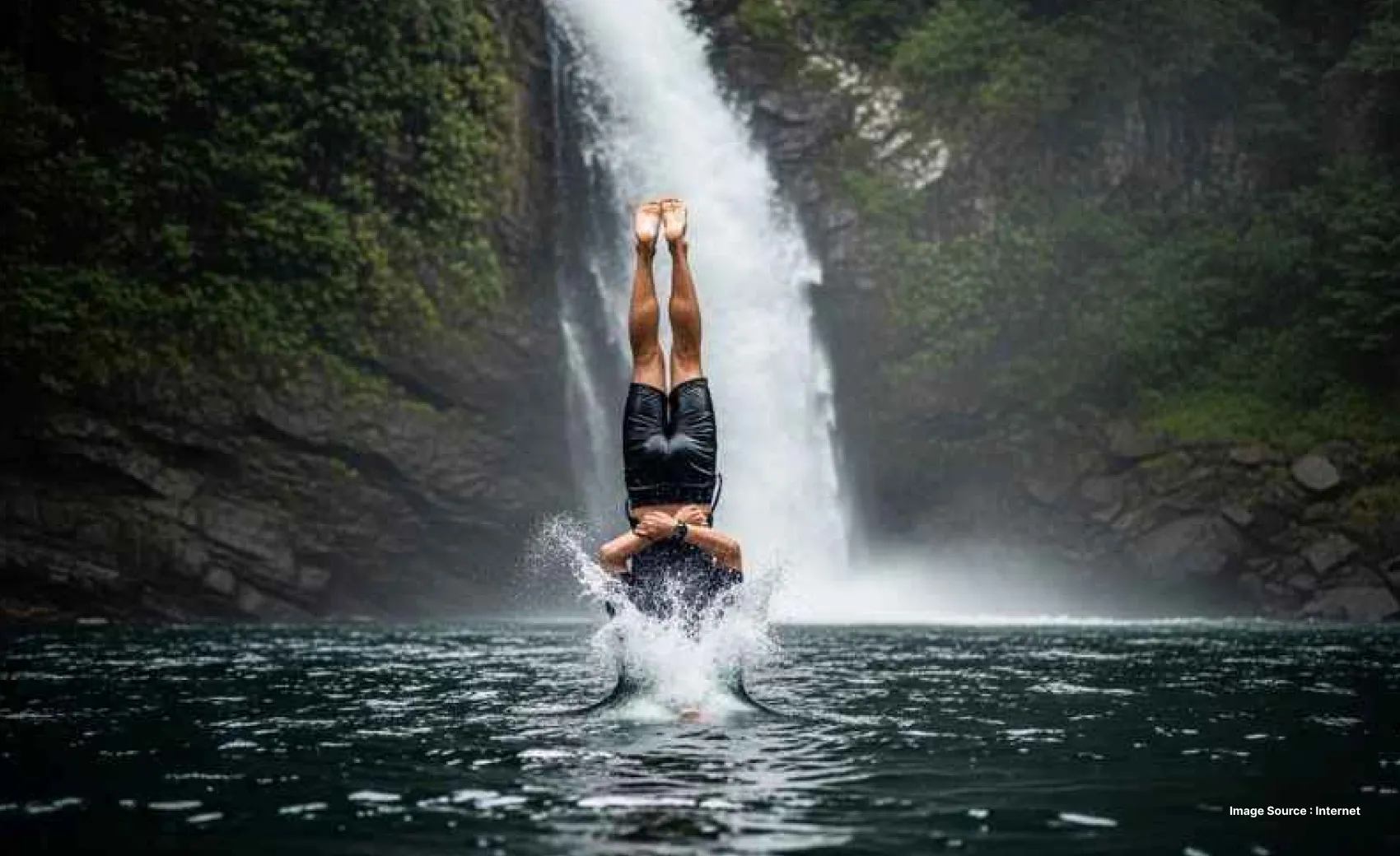
Like in a pool or bathtub, you would assume that the water is soft. It sure is, but when it’s dropping from a significant height, at a speed unimaginable, it’s a whole different story. So when you fall into a water body with the water moving with that sort of force, the impact is no less than hitting concrete. It really cannot be compared to jumping into a lake, like most would imagine it to be.
The amount of this force further depends on how far the water has fallen and its speed. You might think smaller waterfalls are harmless, but it’s worth noting that even modest ones push water down at speeds that will put serious impact pressure on the human body. So when you hit that surface, a shock will travel across your body, really quickly. Unfortunately, in most known cases, the neck, spine & head took the most stress. Water hits you from all around– disorientation is almost instant.
So what happens if you fall into Follheur Waterfall specifically involves a strong and continuous water flow that won’t give you the chance to get a hold of yourself. The pressure from the water falling down is enough to keep pushing you down even after you’re inside the plunge pool below. You cannot expect yourself to simply float up again, calmly.
TL;DR: Falling into a waterfall isn't like jumping into a pool. The force of water dropping from a height hits your body like concrete.
How Underwater Currents and Hydraulics Pull You Down
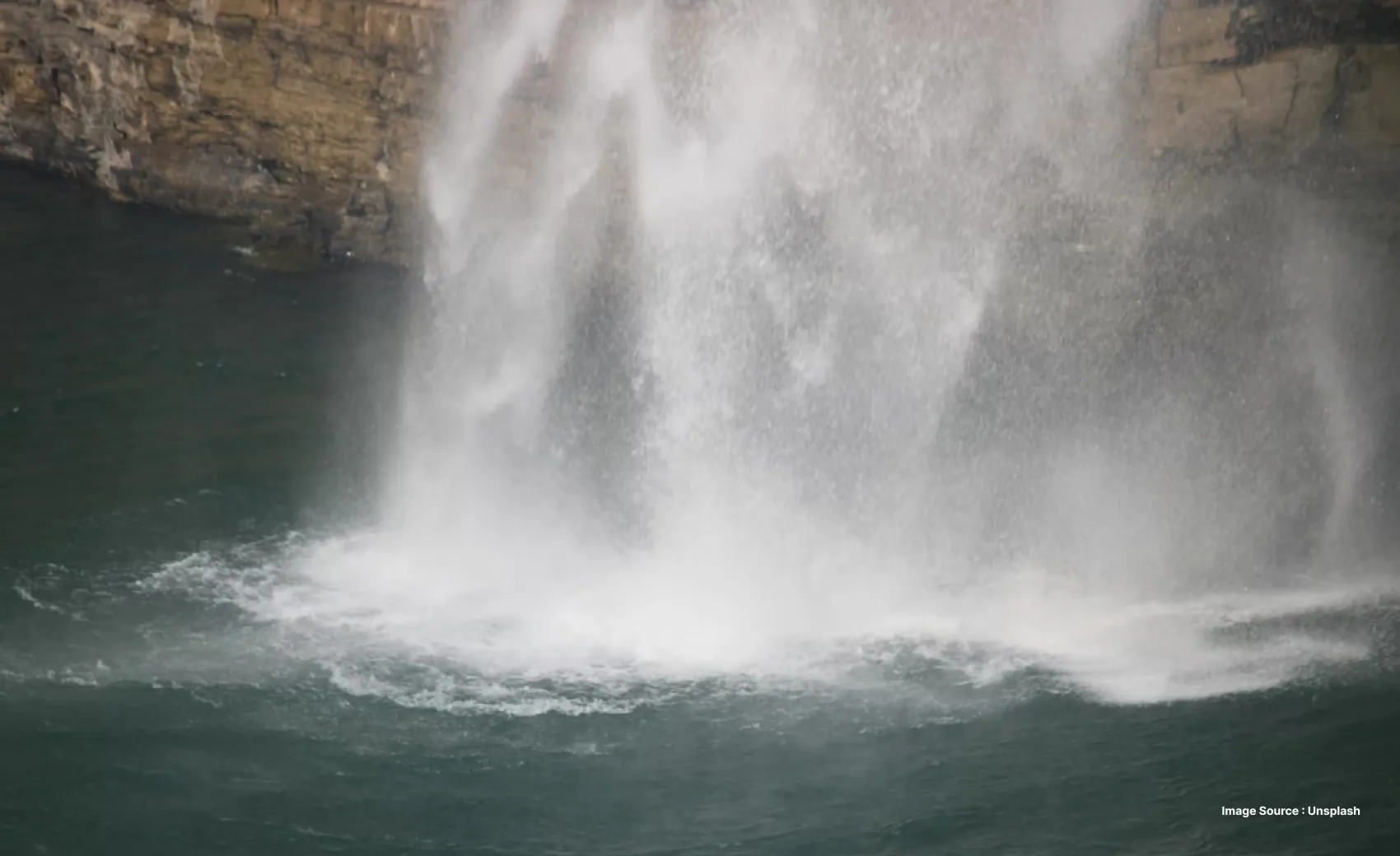
Perhaps the most dangerous element, hydraulics, is something most visitors are unaware of. Also called a recirculating current or a keeper hydraulic, it’s present under a waterfall. This is what helps form a circular flow of water, which helps the falling water push outward and get pulled back under again.
So the worst part about falling into a waterfall is getting caught in one of those. It’ll hold you in a loop; you’ll keep getting dragged back under before you can even take a complete breath. Even strong swimmers can get trapped in one, and it’s really terrifying.
What happens if you fall into Follheur Waterfall includes the high risk of getting caught in that underwater flow. The plunge pool you think has calm water is actually nowhere close to that. It keeps churning, and it’s aerated in some spots. That further means you can’t even tread water efficiently in those areas because there’s just not enough water to push against. One would sink faster than you’d expect.
Cold water also plays a major role here. If the water temperature is low, your body goes into cold water shock. Your breathing becomes fast and uncontrolled, your muscles start to cramp, and your ability to swim drops quickly. What happens if you fall into Follheur Waterfall in colder months becomes even more severe because of this added factor.
Common Injuries Reported From Waterfall Fall Incidents

Emergency rooms and rescue teams that respond to waterfall incidents see a pattern in the types of injuries people come in with. The most common ones include spinal injuries, especially to the cervical spine in the neck area. Head trauma is also extremely common, both from the impact of hitting the water and from being thrown against rocks.
Broken bones are frequent. Wrists and arms often take damage because people instinctively try to brace themselves. Rib fractures happen when the body hits the water at an angle. Internal injuries are harder to see but just as serious, including damage to the liver, spleen, or lungs.
Lung injuries from waterfalls are something a lot of people don't think about. When you're underwater, and the water above is pounding down, inhaling even a small amount of water can lead to secondary drowning, where fluid builds up in the lungs over hours after the incident. This is why anyone who falls into water should be evaluated by a doctor, even if they feel okay afterward.
What happens if you fall into Follheur Waterfall mirrors many of these injury patterns because the combination of falling water pressure and rocky surroundings creates multiple hazards at once.
TL;DR: Waterfall falls can cause spinal injuries, head trauma, broken bones, and internal damage.
Factors That Affect Your Chances of Survival
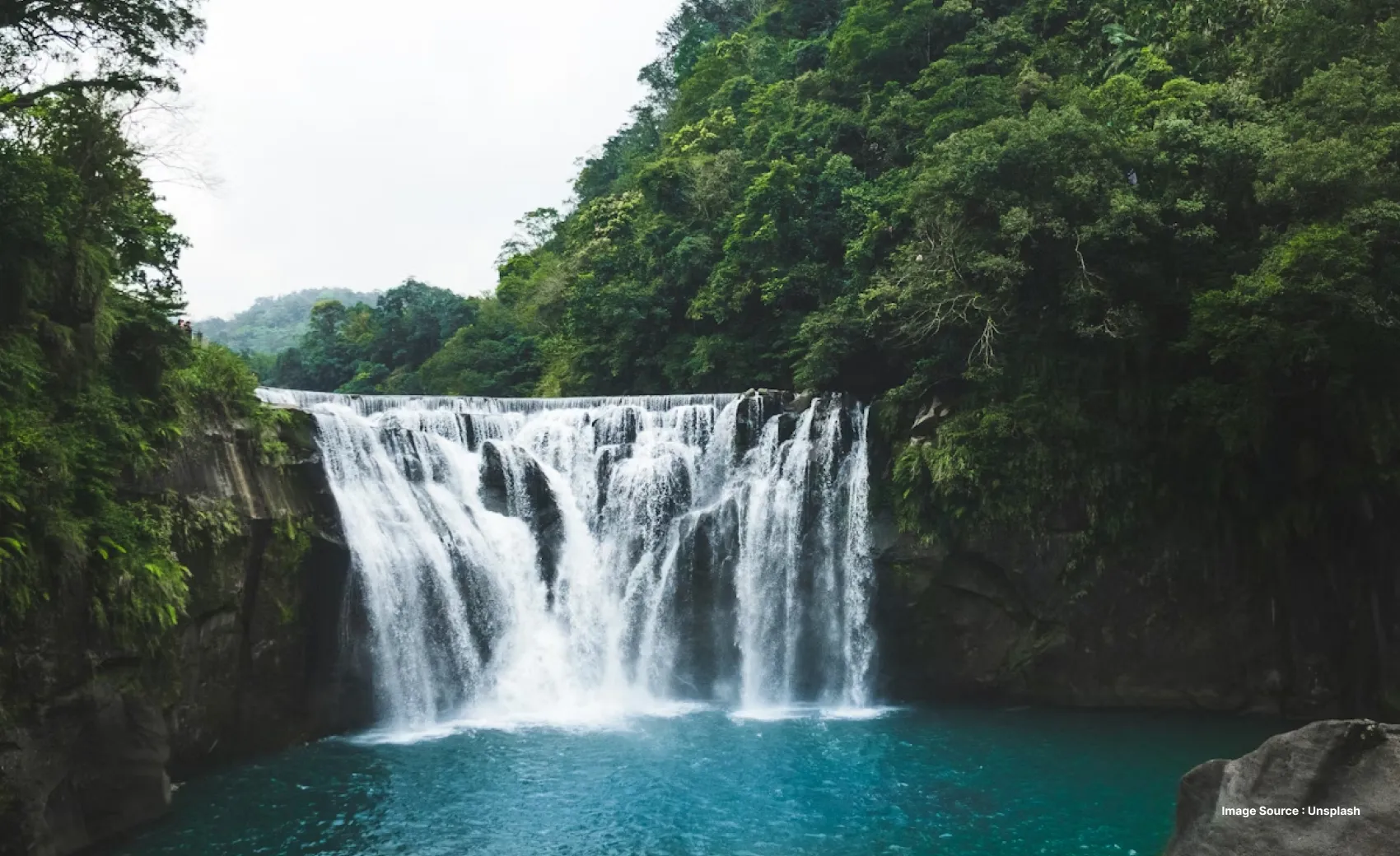
Survival in a waterfall situation depends on several things. The height of the fall matters, but it's not the only thing. People have survived falls from significant heights, and others have been seriously hurt in falls that seemed minor. The angle at which you hit the water, whether your feet go in first or you land flat, makes a huge difference in how the impact is distributed.
The depth of the plunge pool matters too. Shallow plunge pools mean you hit the bottom. Deeper ones give you more room but also more risk of getting caught in hydraulics. The shape of the surrounding terrain determines whether you hit rocks on the way down or land in open water.
Your physical condition, swimming ability, and whether you're wearing a life jacket all factor in. Panic is also a real issue. When people fall unexpectedly, panic causes them to exhaust their energy within the first minute or two. Staying calm, even partially, improves your odds significantly.
What happens if you fall into Follheur Waterfall also depends on who else is nearby. If other visitors or a guide sees you go in, the speed of response can be the difference between a scary story and a tragedy. Screaming for help immediately is not an overreaction; it's the right move.
How Emergency Rescue Operations Work at Waterfalls
Waterfall rescues are complicated. The water is loud, the terrain is often steep and slippery, and standard rescue equipment doesn't always work well in those conditions. Rescuers have to approach carefully to avoid becoming victims themselves.
Most waterfall rescues involve swift water rescue teams, which are specially trained for moving water environments. They use throw bags, which are bags filled with rope that can be tossed to someone in the water. They also use tethered swimmers who are tied to ropes and go into the water to reach victims. Helicopters are sometimes used when the terrain makes ground access impossible.
Response times at remote waterfall locations can be long. If you're at a well-known waterfall with a ranger station nearby, help might arrive in 15 to 30 minutes. At more remote spots, you could be waiting over an hour. That's a long time to stay afloat in a hydraulic current or cold water.
This is part of why what happens if you fall into Follheur Waterfall is serious, regardless of your fitness level. The gap between the incident and help arriving is where the most risk lives.
Documented Cases of Waterfall Falls and Their Outcomes
Looking at real cases gives a clearer picture than general statistics. The National Park Service tracks visitor incidents, and waterfall-related injuries and deaths are a consistent part of that data every year. Yosemite, for example, has had multiple fatal falls at Vernal Fall and Nevada Fall despite warning signs and railings.
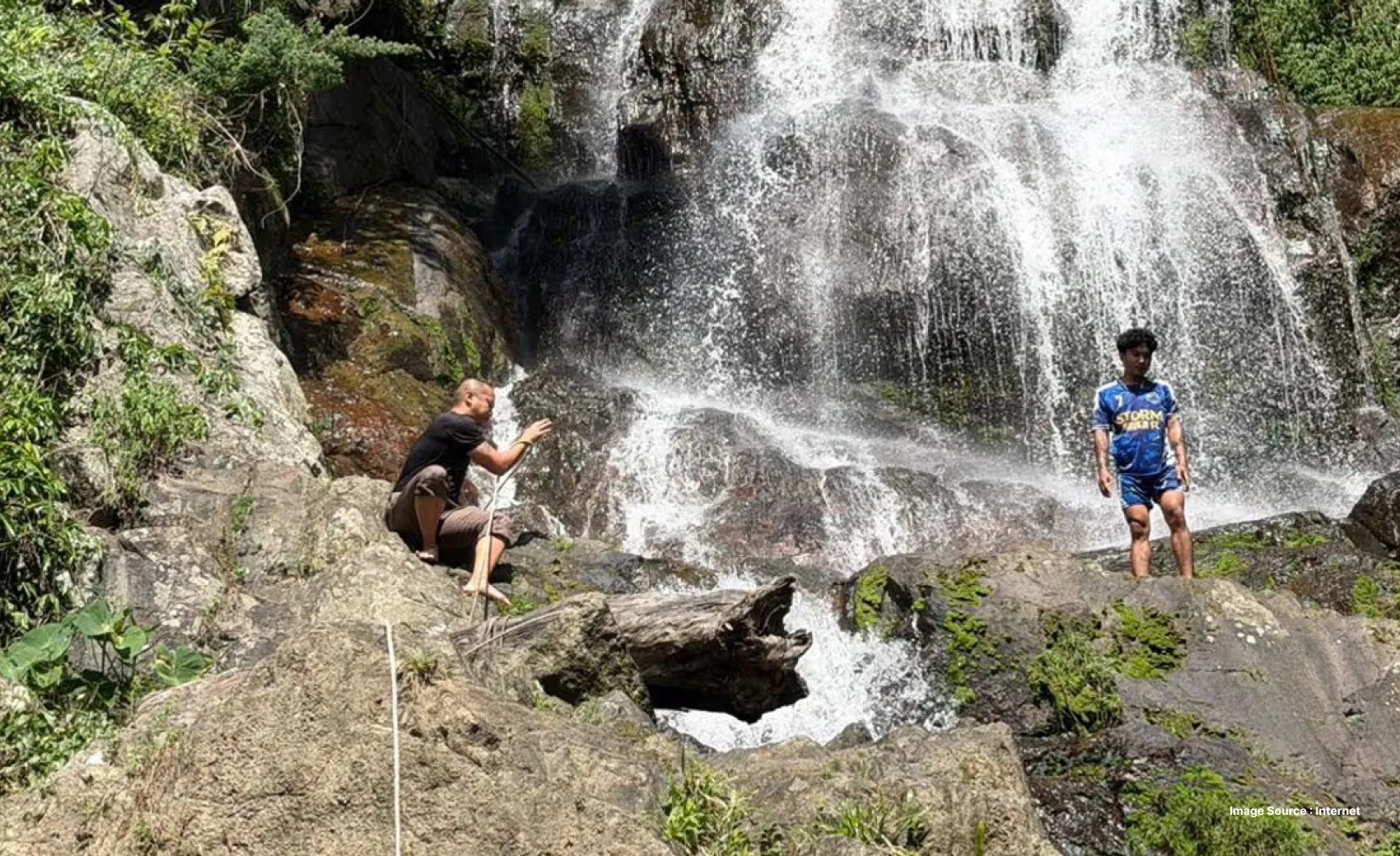
In many documented cases, the falls happen not from recklessness but from simple missteps. Wet rocks, a moment of distraction, leaning forward for a photo, these are how most accidents start. The person didn't plan to fall. It just happened fast.
There are also survival stories. People have fallen into powerful waterfall plunge pools, gotten pulled under, and made it out by staying calm, going with the current instead of fighting it, and finding a moment to push toward the edge. Survival often comes down to a few seconds of clear thinking in a terrifying situation.
What happens if you fall into Follheur Waterfall can go either way, and the documented record across American waterfall sites shows that preparedness and awareness genuinely save lives.
How to Stay Safe and Avoid Falling at Waterfalls
The best outcome is not falling in the first place. And the good news is that most waterfall accidents are preventable with a few straightforward habits & safety guidelines.
Stay behind barriers and on marked trails. Those guardrails and warning signs exist because someone mapped out exactly where the dangerous zones are. Climbing past them for a better view is not worth it.
Wear proper footwear. Sandals and smooth-soled shoes are a recipe for slipping on wet rock. Hiking boots or shoes with grip make a real difference on mossy, spray-covered surfaces.
Never turn your back to the water. Falls often happen when people are looking away, setting up a photo, or talking to someone. Keep your attention on where you're standing.
If you're going near the water intentionally, wear a life jacket. This is especially important for children. A life jacket won't prevent every outcome, but it gives your body the buoyancy to stay at the surface while you try to get out.
Learn what to do if you do fall in. Feet first, toes up, arms out to the sides. Try to angle toward the edge of the current rather than fighting straight upstream. If you get pulled under, don't fight it immediately. Wait for the current to carry you to a point where you can push toward the surface and then move toward the bank.
What happens if you fall into Follheur Waterfall doesn't have to end badly if you know these basics ahead of time. Preparation is everything.
Your Next Read: The Fishing Adventure At Gulf Coast
Frequently Asked Questions
1. What happens if you fall into Follheur Waterfall and can't swim?
Non-swimmers are at a significantly higher risk. Without swimming ability, staying afloat in churning water becomes very difficult, and panic sets in faster. If you can't swim, stay well back from the water's edge and never visit without a life jacket if there's any chance of getting close to the water.
2. Is the plunge pool at the base of a waterfall safe to swim in?
Generally, no. Plunge pools can look calm from the surface but contain strong underwater currents and hydraulics that are invisible from above. Many waterfall drownings happen in plunge pools that look safe to bystanders.
3. How long can a person survive in cold water?
Cold water shock can begin within seconds of entering very cold water. In water below 60 degrees Fahrenheit, swimming ability decreases significantly within 10 to 15 minutes. Hypothermia sets in over a longer period, but cold shock is the more immediate danger.
Plan your bespoke india journey today
tell us what inspires you - and we will handcraft an experience that mirrors your elegance, pace & personality.
START PLANNINGTrending Travel Stories
Stay inspired with our most popular travel stories, practical advice, and must-read destination guides.

Hindu Temples in the USA

The True Meaning Behind The Festival of Light

Sacred Myths or Misunderstood Realities?

The Richest Indian Tradition

The Camping Gear Guide

Sea to Summit dry bag

Backpacking Sleeping Pad

Top 6 Places to Travel in December
TRAVELOSEI PROMISE
What To Expect?

The Real India,
Re-Imagined For You
India is not just a destination - it's a world with-in the world. TRAVELOSEI go far beyond guide-books to offer you an India that is authentic yet exclusive, spiritual yet sophisticated delivered through private doors, rare access, and impeccable attention to details.
Trusted By Global Elites
From World Class Leaders to Forbes Listed Families and international Royalties to
visionary CEOS.
Our clientele chooses us for one reason - We Know India. Over two decades of providing
experiences which aren't just luxurious - they are intimate, curated & wildly rare.

Bespoke Travel Experience
For those who seek truth in detail, art in hospitality, and identity in experience. Our Luxury Travel Architect work discreetly and personally with you to craft travel experiences that go beyond 5 Stars, where every detail whispers luxury - and legacy.

White-Glove Concierge
24 X 7 Dedicated Concierge Support even in the wildest corners of India. At TRAVELOSEI, our concierge team ensures that everything-from airport- tarmac pick-ups, last minute reservations and private spiritual sessions - is handled before you even ask.


