
Last Updated : May 29, 2026 | Author : Tia | View Count : 767 | Read Time : 7 min
Indian Street Food: The Ultimate Guide to the Country's Most Beloved Bites
If you’re planning a trip to the tricolour heartland, you can’t miss the mouthwatering street food, from savory to sweet. These hidden gems have got your taste buds covered. Street food isn’t only the most popular way to eat in India, but it’s also the best way to experience all the flavours of India if you find yourself on a budget. Immersing yourself in the street food culture by attending festivals or shopping from local vendors is the best way to experience the country, its people, and its culture. Each city is a mini India, different in itself, different from the one that came before it. A plate of chaat in Delhi tastes nothing like a cone of bhel puri in Mumbai, and that is exactly the point. This guide will take you through the unexplored street food culture as an American traveller and welcome you to this exotic world with heart and freshness!
Is street food in India worth trying as an American traveler?
A: Absolutely! It’s food that is deeply personal, bold, and nothing like what you would find at home. This guide will help you understand what you should expect, where the best food is, and how to make the most of your time with every bit!
The Rich History Behind Street Food Culture in India
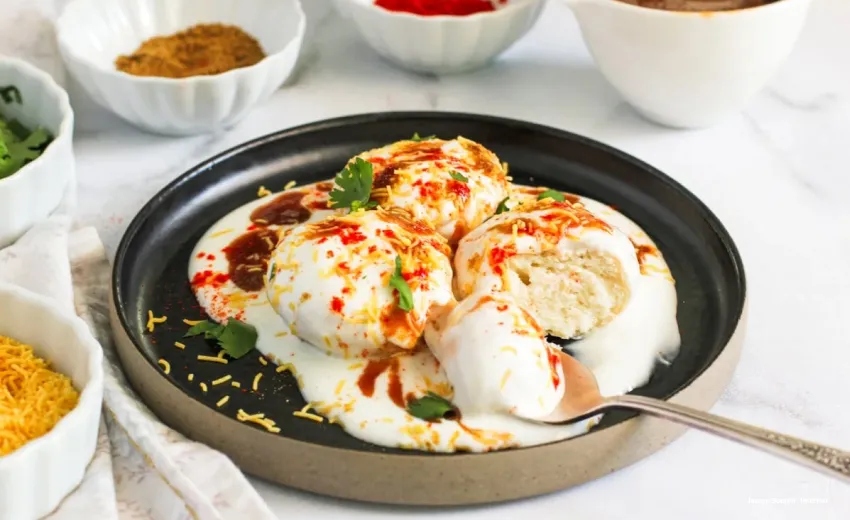
Street food has existed in India for centuries. Before restaurants, people were buying and enjoying home-cooked food in public markets, near temples, and alongside trade routes. Ancient Indian texts discuss cooked food being sold as snacks to people who come in as travelers and workers who need a quick bite, so street food is ingrained with tradition, selling things like kebab and bread from the Mughal time.
Street food culture was also seen as practical in the past, when households had limited cooking space. Households in the older urban areas didn’t have much cooking space and were faced with little bit of fuel to spare. Buying food from outside vendors was just the smarter thing to do; it was more efficient in nature. Over time, these vendors became generational stands, with generations specialising in a specific recipe and passing it through their generations. That is why you will find vendors in Delhi who have been making the same dahi bhalla for 50 or 60 years and still have a line out front.
Religion and regional culture also played a big role. India has a huge vegetarian population, and a lot of street food reflects that. Festivals brought out specific foods. Seasons dictated what was available. The result is a street food scene that is incredibly layered and has real meaning behind it, not just something thrown together to feed a crowd.
TL;DR: Street food in India was shaped by trade, practicality,
North vs South: How Regional Flavours Tell Different Stories
One thing that catches a lot of American travelers off guard is just how dramatically the food shifts depending on where you are in India. North and South India feel like entirely different worlds when it comes to what people are eating on the street.
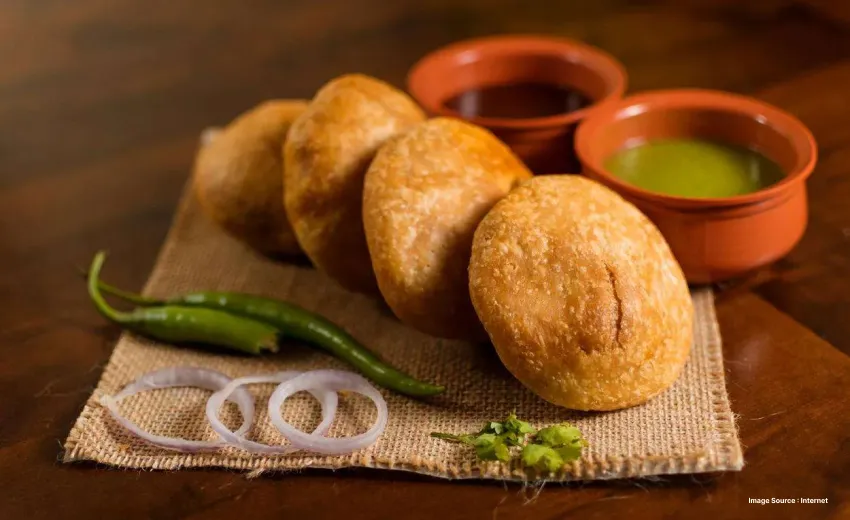
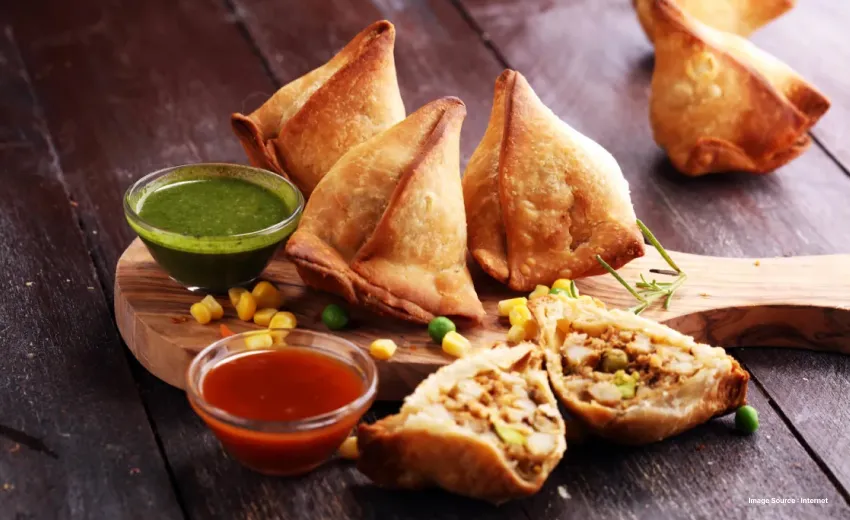
Up north, wheat rules all. Flatbreads are everywhere: parathas stuffed with spiced fillings, puffy puris, crispy kachoris. The spices hit hard, and the flavors run deep, sometimes a little rich and oily in that completely satisfying way. Chaat stalls are impossible to avoid, samosas are a given, and cities like Delhi, Lucknow, and Jaipur have street food cultures that go back generations. There is a real weight and complexity to it all.
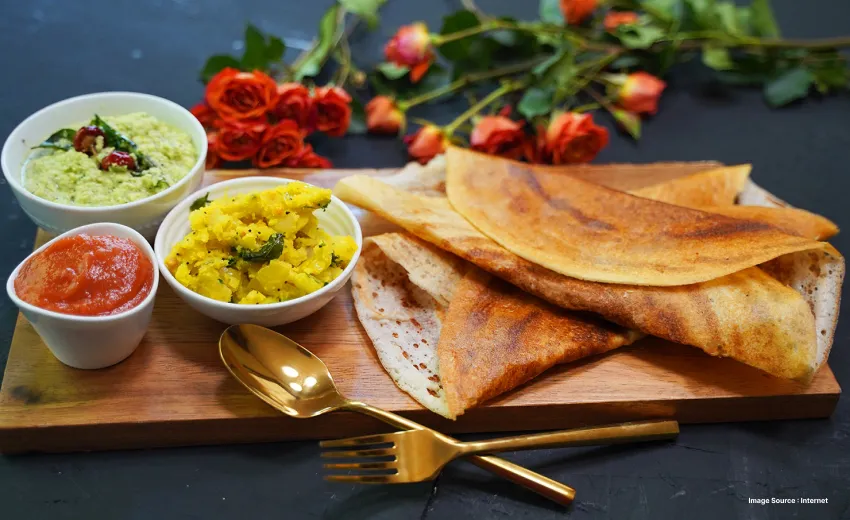
Head south and everything changes. Rice and lentils are the foundation here. Dosas come out thin and crispy, made from fermented batter and eaten with chutneys and sambar. Idlis are these soft, steamed little cakes that are deceptively simple and genuinely comforting. Vada is essentially a fried lentil donut, which sounds strange until you actually try one. The whole feel of southern street food is lighter, tangier, and leans heavily on coconut. Chennai, Bengaluru, and Hyderabad each put their own spin on the classics.
And then there is the coast. Running along both sides of the country, the coastal belt brings seafood into the street food mix in a serious way. Grilled fish, prawn fry, and fresh crab all taste completely different when they are made a few hundred meters from where they were caught.
If you have the time, try to plan your route around the food. Moving between regions just to eat is not as indulgent as it sounds; the contrast between them is genuinely one of the most interesting things about traveling in India.
The Most Iconic Street Foods Every Foodie Must Try
Let’s look at specific dishes that you can’t miss out on!
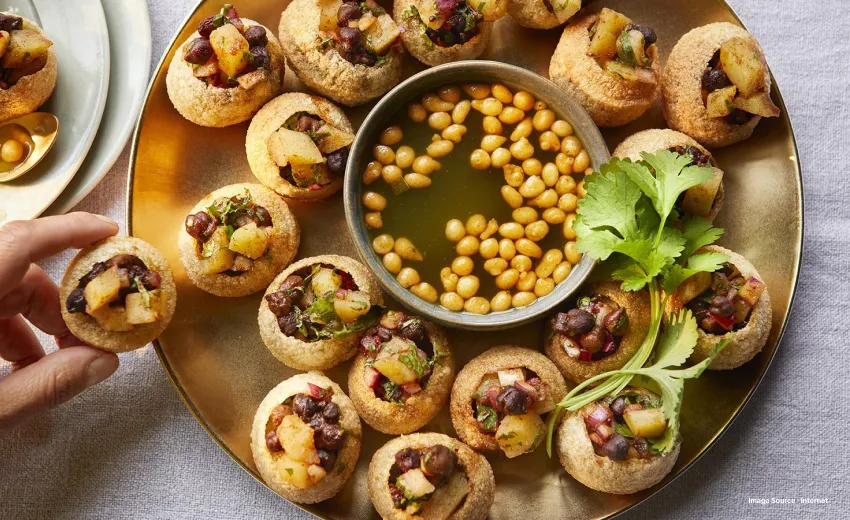
Pani puri goes beyond being a dish and turns out to be an experience in itself. It’s a power-packed food with small crispy shells, stuffed with spiced potato and chickpeas, probably the most fun street food in India. You eat them whole in one bite. It is beautiful chaos.
Vada pav is Mumbai's answer to the burger. A spiced potato fritter sits inside a soft bread roll with dry garlic chutney. It costs almost nothing and is deeply satisfying.
Chole bhature is a North Indian staple that is more of a meal than a snack. Spiced chickpea curry served with deep-fried puffed bread. It is heavy but completely worth it.
Dosa is the one everyone should try at least once. A classic masala dosa with potato filling and coconut chutney is simple, clean, and genuinely delicious.
Kathi rolls from Kolkata are essentially Indian wraps. Spiced meat or paneer with onions and chutneys rolled into a paratha. Great for eating on the go.
Jalebi is how you end the savory run. These are fried spirals soaked in sugar syrup. Hot and crispy on the outside, syrupy on the inside.
According to Lonely Planet, trying local street food is consistently ranked as one of the top cultural experiences for travelers visiting Asia, and India is always at the top of that list.
Explore The Most Authentic Dishes of India
TL;DR: Street food in India offers a range of bites that cover everything from snacks to full meals.
Where to Find the Best Street Food India Has to Offer, City by City
Delhi is the street food capital of India by most accounts. Chandni Chowk in Old Delhi is where you go for chaat, parathas, and kebabs. It is crowded, loud, and completely worth the chaos.
Mumbai has a culture built around eating on the move. Juhu Beach is known for pani puri and bhel puri. Mohammed Ali Road during Ramadan turns into one of the most intense food streets you will ever walk through.
Kolkata has a quiet confidence about its food. The Kathi roll originated here. The egg rolls, rotis coated in egg with a seasoned onion tomato base, hit the perfect tangy spot, the jhalmuri, puffed rice mixed with the same veggies of the egg roll, these dishes are fusions of themselves. Lastly, the misti doi at the end of a meal is the perfect sweet street treat to end off your meal in Kolkata, where the food is a simple yet memorable spectacle.
Varanasi is a spiritual city, but also a seriously underrated food city. The lassi shops along the ghats are legendary. Kachori sabzi in the morning is what locals indulge in before heading to the river.
Amritsar in Punjab is home to one of the most iconic food experiences in the country. Langar, the free community meal served at the Golden Temple, feeds tens of thousands of people daily. The kulchas and lassi, a refreshing salty/sweet curd drink from Amritsar, are the best in the country.
Chennai and Bengaluru are your go-to cities for South Indian street food done right. Early morning breakfast at a local tiffin center is something every traveler should experience at least once.
Food and wine consistently rank India among the top destinations in the world for food tourism, with street food being a primary driver of that recognition.
What Makes Indian Street Food So Addictively Flavourful
The short answer is layering. Indian cooking does not just season food once. It builds flavor at every step. You start with whole spices in hot oil, then add aromatics, then wet ingredients, then dry spices, then fresh herbs at the end. Each layer adds something different.
Street food in India takes this approach and applies it even to quick, simple dishes. A plate of chaat has crunch, softness, sweetness, tang, heat, and freshness all in one bite. Nothing is one-dimensional.
Chutneys are a huge part of what makes everything work. Tamarind chutney brings sweetness and acidity. Mint chutney adds fresh heat. Garlic chutney punches hard. These are not afterthoughts. They are built into the dish.
Fermentation also plays a role, especially in the South. The tangy, slightly sour flavor of a fresh dosa comes from the fermented batter. It adds depth that plain rice flour just cannot replicate.
TL;DR: The flavor of street food comes down to layered cooking techniques, spices, and chutneys.
Street Food Safety: What to Watch Out For as a Visitor
Safety is the most crucial step when consuming street food. As an American traveller, these tips are crucial so that you can avoid falling ill on your trip.
First, look at the crowd. If locals are lined up at a stall, that is a good sign. High turnover means the food is fresh and the vendor has a reputation. Stick to cooked food at first. Raw salads, pre-cut fruit, and uncooked chutneys carry more risk for travelers whose stomachs are not used to local bacteria. Give yourself a few days to adjust before experimenting too widely.
Carry digestive aids just in case. A small travel pharmacy with probiotics, oral rehydration salts, and something for stomach upset goes a long way. Most experienced travelers to India swear by starting probiotics a week before the trip.
Drink bottled or filtered water consistently throughout your trip and use it to take any medication, too.
The goal is not to be afraid of street food in India. The goal is to enjoy it fully without cutting your trip short over a preventable stomach issue.
FAQs
1. Do I need to know Hindi to order street food?
Not really. Most vendors in major cities and tourist areas are used to non-Hindi speakers. Pointing, smiling, and holding up fingers for quantity works fine. In South India, vendors typically speak the local regional language anyway, so Hindi would not help much there either.
2. What is the best city in India for street food?
Delhi is widely considered the top city for street food in India, especially for variety and depth of flavors. But Mumbai, Kolkata, and Chennai all have incredibly strong cases depending on what you are looking for.
3. When is the best time to eat street food in India?
Morning and evening are peak times. Many vendors only operate during these hours and pack up by mid-afternoon. Early morning is great for breakfast items like dosas, idlis, and parathas. Evening is when chaat stalls and snack vendors really come alive.
Plan your bespoke india journey today
tell us what inspires you - and we will handcraft an experience that mirrors your elegance, pace & personality.
START PLANNINGTrending Travel Stories
Stay inspired with our most popular travel stories, practical advice, and must-read destination guides.

Hindu Temples in the USA

The True Meaning Behind The Festival of Light
Sacred Myths or Misunderstood Realities?
The Richest Indian Tradition

The Camping Gear Guide

Sea to Summit dry bag

Backpacking Sleeping Pad

Top 6 Places to Travel in December
TRAVELOSEI PROMISE
What To Expect?

The Real India,
Re-Imagined For You
India is not just a destination - it's a world with-in the world. TRAVELOSEI go far beyond guide-books to offer you an India that is authentic yet exclusive, spiritual yet sophisticated delivered through private doors, rare access, and impeccable attention to details.

Trusted By Global Elites
From World Class Leaders to Forbes Listed Families and international Royalties to
visionary CEOS.
Our clientele chooses us for one reason - We Know India. Over two decades of providing
experiences which aren't just luxurious - they are intimate, curated & wildly rare.

Bespoke Travel Experience
For those who seek truth in detail, art in hospitality, and identity in experience. Our Luxury Travel Architect work discreetly and personally with you to craft travel experiences that go beyond 5 Stars, where every detail whispers luxury - and legacy.

White-Glove Concierge
24 X 7 Dedicated Concierge Support even in the wildest corners of India. At TRAVELOSEI, our concierge team ensures that everything-from airport- tarmac pick-ups, last minute reservations and private spiritual sessions - is handled before you even ask.


