
Last Updated : Jun 17, 2026 | Author : Tia | View Count : 187 | Read Time : 6 min
Travel Trends 2026 Remote Work Travel: Everything You Need to Know Before You Pack
If you’ve been daydreaming about working from a beach in Portugal or popping your laptop open with some coffee on the side in a cafe in Chiang Mai, then you’re not alone. Millions of Americans are realizing it doesn’t matter where they open their laptops; as long as the work gets done, they can do it from anywhere. And 2026 has evolved to accommodate these needs, with its infrastructure, visa options, and workplace culture accustomed to this new style of working. To make this a real, practical style of working and not just a daydream. Travel trends 2026: remote work travel is no longer a niche; it’s showing up across a wide range of forums such as HR meetings, travel forums, and group chats across the country. This blog will walk you through all the options available for living such a lifestyle; we’ll understand the psychology behind these decisions, how much they actually cost, and how you can set yourself up for long-term success without burning out or breaking any rules.
Is 2026 a good year to combine remote work with travel?
Honestly, travel trends 2026 remote work travel points to yes, but it depends on your job setup, budget, and how prepared you are for the legal and logistical side of things.
Why More Professionals Are Ditching the Office for a Boarding Pass in 2026

We started seeing this shift during the pandemic, but the trend in 2026 is a lot different; it’s not just about escaping the pressures and isolation of lockdown; people are making long-term life decisions, and according to a report from MBO Partners, approximately over 17 million Americans have already identified as digital nomads, and that number has only kept rising since, the reasons for this shift are varied where some people are chasing the lower cost of living, others are coping with burn out and desire a change of scenery. Most people just want more freedom in terms of how they structure their days.
The biggest shift that can be seen in this trend is employer acceptance; a few years ago, doing work from another country felt like something which you had to keep to yourself. Now, several, if not most, US companies have foreign policies for the same. Roles that are found in tech, marketing, writing, consulting, finance, and customer care are almost fully remote; the async work culture is becoming more standard, and the 9-5 from a fixed desk is simply not the default anymore.
The push towards this shift can also be seen from the younger workforce. Millennials and Gen Z professionals are prioritising experiences and flexibility over proximity to a corporate office. That mindset, combined with better remote rules and faster internet in more places around the world, has made 2026 the most practical year yet to work and travel at the same time.
TL;DR: Employer flexibility and a shift in work culture are the two biggest reasons more Americans are combining travel with their careers in 2026.
The Most In-Demand Remote Work Destinations Taking Over This Year

Every destination isn’t treated the same when it comes to working remotely; the most ideal places to work offer a stable and reliable internet connection, reasonable timezone overlap with the United States, affordable living costs, and a community of other remote workers so you don’t find yourself completely alone.
In 2026, a few places that fit the bill for these requirements come to mind. For example, Lisbon and Porto in Portugal are considered to be quite popular destinations for the same. This is mostly due to the digital nomad visa that Portugal offers, and the city structure is designed to support remote workers. For Americans in particular, Mexico City has become a popular pick due to the time zone, the food, the culture, and the relatively low cost of living compared to most US cities. Colombia is another one that has also developed a strong nomad community over the past few years.
Southeast Asia has also amassed a surge of remote workers; places like Bali and Chiang Mai are solid options if you’re comfortable with a larger time difference. These places are both well developed and are home to large English-speaking communities. For options closer to home and on US soil for that convenience, there are places like Playa del Carmen in Mexico or San Juan in Puerto Rico; these places have also seen an influx of remote workers.
What counts when choosing a destination is an honest assessment that requires you to look at yourself and estimate how much you’re able to handle from the load you plan on assigning yourself. How many video calls can you take on per week? Do you require a quiet space to work, or do you prefer working from anywhere? Is it more convenient for you to stay within a few hours of the US time zone? Ensure you answer those questions first before you start packing your bags.
TL;DR: Mexico City, Lisbon, and Bali are among the top remote work destinations.
Visa and Legal Must-Knows for Working Across Borders in 2026

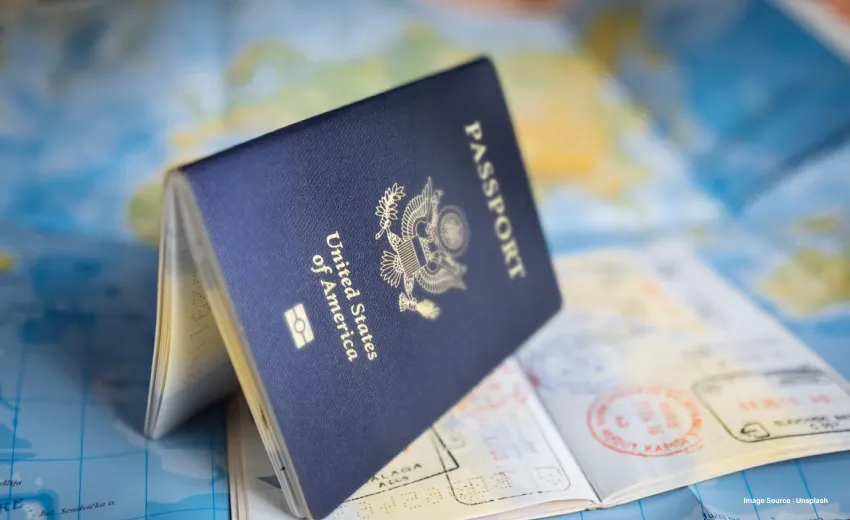
This is the part that most people overlook when considering logistics for a trip like this, and this can land you in some serious trouble if you’re not careful with how you fill out these necessary documents and forms. If you’re working remotely from another country, then you don’t fall under the category of being another tourist. By legal standards, you are considered to be working in that country, and most tourist visas do not cover that.
The relieving news is that more and more countries will offer digital nomad visas in 2026; currently, countries like Portugal, Spain, Costa Rica, Panama, and Georgia all have structured visa programmes for remote workers. These visas have been especially designed for people who earn an income outside of the country where they are presently staying. It typically requires proof of income, health insurance, and a background check.
Aside from the visa, you also need to keep in mind the taxes. In the States, as a citizen, you’re taxed on worldwide income regardless of where you live. This would mean that working from Lisbon doesn’t get you off the hook when it comes to your taxes. What you may be eligible for is the foreign earned income exclusion if you qualify under the bona fide residence or physical presence test. The rules are quite specific, and there are some niche requirements. The best way to know what these tax reductions are and whether or not you’re eligible for them is to coordinate with a tax professional who specialises in expat finances; this way, you have full clarity about which process you need to partake in. You can find more access to this information at the official IRS website. This is a solid place to start understanding this process before you pack your bags and go.
Budgeting Smart: What It Actually Costs to Work and Travel in 2026
One of the biggest perks of working remotely is that there’s potential to save a lot of money while living in places that you’d go to vacation for. It’s this type of lifestyle that is converting more and more people into digital nomads as each day goes by. However, what you need to keep in mind is that this option isn’t cheaper by default, and it actually takes a lot of time and effort in preparing beforehand to achieve these results.
You need to take into consideration flight costs, travel insurance, visa fees, as well as the costs for setting up your workspace. Expenses like investing in a local SIM card or adapters tend to add up. A realistic first-month budget should at least account for a buffer that is 20 percent above what you’re expecting to spend because things always cost more than when you first plan them before reaching the location.
One smart move is to try a destination for one month before committing to a longer stay. You can find accommodation in short-term furnished apartments, which can easily be found through platforms like Airbnb or Furnished Finder; this gives you the flexibility before you set your heart on a space. Many remote workers tend to go through about two to three places before settling anywhere and move consistently but not constantly; this keeps travel costs down and provides you more stability.
TL;DR: Working remotely from abroad can cost less than living in the US.
How Companies Are Adapting Their Policies for a Location-Free Workforce

In 2026, US companies are building frameworks for employees who want to work outside of the country. This includes stipulating things such as temporary international remote work policies, which are referred to as TIRW policies; this allows employees to work from another country for a set period of time. This usually tends to be about 30-90 days; this goes without triggering employment law or tax complications in the country.
Some companies are going a step further and hiring for purely remote roles, which means they don’t mind where you are as long as you’re available during the core hours of work and meeting your deliverables. This shift has especially been popular in fields of tech, media, and professional services.
If your company currently doesn’t have a policy like this, then it’s worth communicating with your HR. Frame your request as a proposal with a clearly laid-out written plan, including which country and how long you propose the transition. In what ways you’ll go about handling time zones, and what your plan is for taxes. Companies are far more open to these requests than they used to be, especially if you walk in prepared.
Travel trends 2026: remote work travel has pushed companies to rethink the definition and re-visualise what a productive employee looks like, and you’d be surprised how many no longer adhere to physical addresses.
FAQs
1. Do I need a special visa to work remotely from another country?
Yes. A tourist visa does not legally cover remote work.
2. Will I still owe US taxes if I work from abroad?
Yes. The US texas citizens on worldwide income.
3. What is the easiest country for Americans to work remotely from in 2026?
Mexico is consistently mentioned as one of the easiest options for Americans because of the time zone overlap.
Plan your bespoke india journey today
tell us what inspires you - and we will handcraft an experience that mirrors your elegance, pace & personality.
START PLANNINGBlogs Categories
It is a Sanskrit verse taken from an ancient Bharat (Indian) scripture
which means ‘The Guest is like God’.
In Bharat (India), guests are always welcomed with open arms and given

WANDER INDIA
Your go-to guide for exploring the best of India.

FESTIVALS OF INDIA
Festive Flavours

INDIAN HERITAGE
An enticing showcase of India’s glorious 5,000 year old history & heritage.

SACRED SPIRITUAL JOURNEYS
Discover what gives India the mystics that the world adores

TRAVEL TALES
Make the simplest of journeys unforgettable with hidden gems tours & extravagant stays.
You Will Like These Too...
It is a Sanskrit verse taken from an ancient Bharat (Indian) scripture
which means ‘The Guest is like God’.
In Bharat (India), guests are always welcomed with open arms and given







TRAVELOSEI PROMISE
What To Expect?

The Real India,
Re-Imagined For You
India is not just a destination - it's a world with-in the world. TRAVELOSEI go far beyond guide-books to offer you an India that is authentic yet exclusive, spiritual yet sophisticated delivered through private doors, rare access, and impeccable attention to details.

Trusted By Global Elites
From World Class Leaders to Forbes Listed Families and international Royalties to
visionary CEOS.
Our clientele chooses us for one reason - We Know India. Over two decades of providing
experiences which aren't just luxurious - they are intimate, curated & wildly rare.

Bespoke Travel Experience
For those who seek truth in detail, art in hospitality, and identity in experience. Our Luxury Travel Architect work discreetly and personally with you to craft travel experiences that go beyond 5 Stars, where every detail whispers luxury - and legacy.

White-Glove Concierge
24 X 7 Dedicated Concierge Support even in the wildest corners of India. At TRAVELOSEI, our concierge team ensures that everything-from airport- tarmac pick-ups, last minute reservations and private spiritual sessions - is handled before you even ask.


