
Last Updated : Jun 18, 2026 | Author : Tia | View Count : 170 | Read Time : 5 min
What Is Not True About DoD Travel Policy? Myths That Could Cost You
If you have ever come back from a work trip, submitted your travel voucher, and then watched part of your reimbursement disappear without understanding why, you are not alone. DoD travel policy is one of those things that people think they understand until something goes wrong. The rules live inside the Joint Travel Regulations, which is a dense document that most travelers have never read all the way through. And because of that, a lot of myths get passed around as facts. The problem is that believing the wrong thing can actually cost you real money. This blog breaks down what is not true about DoD travel policy so you can travel smarter and stop leaving reimbursement on the table.
Is DoD travel policy straightforward for most military travelers?
Not really. A lot of travelers assume they know the rules, but what is not true about DoD travel policy is often more surprising than what is true. Enough grey areas and common myths are floating around that even experienced travelers get caught off guard and end up paying out of pocket.
The Biggest Misconceptions Travelers Have Before Reading the JTR
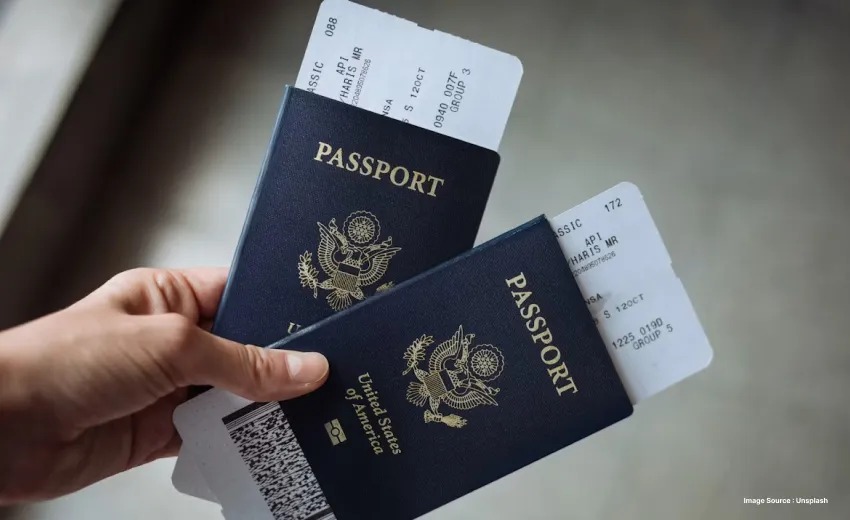
Most people learn DoD travel rules the same way, from a coworker, a supervisor, or just by assuming things work the same way they did at the last duty station. That word-of-mouth system sounds fine until you realize that a lot of what gets passed around is either outdated or just flat out wrong.
The Joint Travel Regulations, or JTR, is the official rulebook. It gets updated regularly, and what applied two years ago may not apply today. One of the most common misconceptions is that the rules are simple and consistent across all situations. They are not. Your travel category, your duty status, your mode of transport, and even your destination can all change what you are entitled to.
Another big one is that people assume their unit has already figured out the right way to do things. But units interpret policy differently, and those interpretations are not always correct. If you are ever unsure, the best move is to go to the actual JTR at travel.dod.mil rather than rely on secondhand information.
TL;DR: Most DoD travel myths start because travelers rely on word-of-mouth instead of reading the actual JTR.
Does the Government Always Cover Your Full Travel Costs? Think Again

This is probably the most widespread myth out there. People assume that if the government sent them somewhere, the government is picking up the full tab. That is not how it works.
DoD travel policy is built around the concept of "reasonable" costs. The government will reimburse what is considered reasonable based on set rates and approved methods, not necessarily what you actually spent. If you flew business class because the economy was uncomfortable, that upgrade is coming out of your pocket. If you stayed at a hotel that was above the authorized lodging rate for that area, the difference is on you.
Per diem rates are calculated based on location and are meant to cover lodging, meals, and incidentals. If you spend more than the per diem, you absorb that cost. If you spend less, you actually keep the difference in most cases for meals and incidentals. But the key point is that "the government will cover it" is one of the most common things people believe that falls squarely under what is not true about DoD travel policy.
Explore The Popular Tours of India
No, Your Personal Credit Card Isn't Always an Acceptable Backup
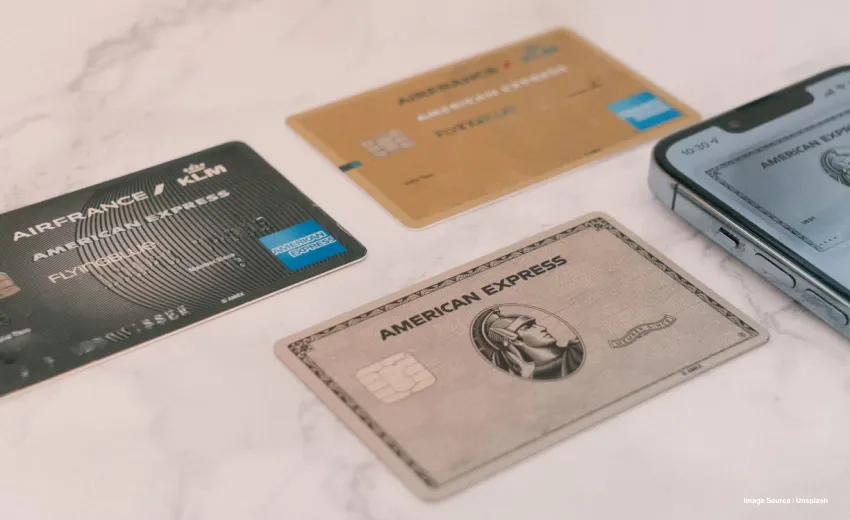
A lot of travelers think that using their personal card for work travel expenses is fine as long as they get reimbursed later. In some limited situations that may be acceptable, but it is not a reliable backup plan.
The DoD Government Travel Charge Card, or GTCC, exists for a reason. It is the required method of payment for most official travel expenses. Using your personal card when you were supposed to use the GTCC can create real problems, including delays in reimbursement and, in some cases, issues with your travel voucher being questioned.
There are exceptions, of course. Some small incidental purchases may be paid out of pocket. But the idea that you can just swap in your personal Visa whenever it is convenient is not accurate. If your GTCC has a problem, you should be reaching out to your finance office before the trip, not improvising at the front desk of a hotel.
TL;DR: The GTCC is not optional for most official travel expenses. Using your personal card as a casual substitute can complicate your reimbursement and raise flags on your travel voucher.
Why "My Commander Approved It" Doesn't Always Mean It's Reimbursable
Commander approval matters, but it does not override the JTR. This is a distinction a lot of people miss. If your commander approves a travel arrangement that falls outside what the JTR allows, that approval does not magically make it reimbursable.
For example, if a commander verbally tells you that you can drive your personal vehicle and get reimbursed at a higher rate than what the JTR allows for that specific situation, that promise cannot be kept. The finance office is bound by the JTR, not by what was said in a meeting.
This is not about commanders being wrong or finance being difficult. It is just the reality of how the system works. Authorization and reimbursement are two different things, and confusing them is a common and expensive mistake.
The Truth About Per Diem Rates Most Travelers Get Wrong

Per diem is one of the most misunderstood parts of DoD travel policy. The most common mistake is thinking that per diem is a flat amount you always receive for any day you spend traveling. It is not that simple.
Per diem rates vary by location and are set by the General Services Administration for domestic travel. You can look those up directly; rates in a city like San Francisco will be much higher than rates in a rural area, for obvious reasons.
There are also proportional per diem situations, which apply on travel days and other specific circumstances. On your first and last days of travel, you typically only get 75 percent of the full daily rate. A lot of travelers do not know this until they see their reimbursement come in lower than expected.
What is not true about DOD travel policy in this area is that per diem is a guaranteed, flat, consistent daily payment. It is location-based, status-based, and calculated based on the specific rules that apply to your travel orders.
Are Lodging Upgrades Ever Covered? Separating Fact from Fiction

The short answer is that in most cases, no, upgrades are not covered. You are entitled to reimbursement up to the authorized lodging rate for your travel location. Anything above that is your own expense unless there is a specific exception documented in your orders.
There are situations where a higher rate can be authorized, for example, if no lodging is available at or below the standard rate. But that requires documentation and prior authorization. Showing up at a nicer hotel because it was more convenient does not qualify.
Also worth noting is that the government is not responsible for travel loyalty points or hotel rewards. Using your GTCC at a hotel and expecting the government to care about your points status is not part of the policy.
Plan Your Tour To Iconic TAJ MAHAL
FAQs
1. Does per diem cover all my meal costs while traveling?
Per diem is meant to cover meals and incidentals at a set daily rate based on your travel location.
2. Can I use my personal credit card if I forget my GTCC?
In limited situations, you may be able to pay out of pocket for small incidentals, but for major travel expenses like lodging and transportation, the GTCC is the required payment method.
3. Is verbal approval from my commander enough to get reimbursed for a non-standard expense?
No. Commander approval does not override the JTR.
Plan your bespoke india journey today
tell us what inspires you - and we will handcraft an experience that mirrors your elegance, pace & personality.
START PLANNINGBlogs Categories
It is a Sanskrit verse taken from an ancient Bharat (Indian) scripture
which means ‘The Guest is like God’.
In Bharat (India), guests are always welcomed with open arms and given

WANDER INDIA
Your go-to guide for exploring the best of India.

FESTIVALS OF INDIA
Festive Flavours

INDIAN HERITAGE
An enticing showcase of India’s glorious 5,000 year old history & heritage.

SACRED SPIRITUAL JOURNEYS
Discover what gives India the mystics that the world adores

TRAVEL TALES
Make the simplest of journeys unforgettable with hidden gems tours & extravagant stays.
You Will Like These Too...
It is a Sanskrit verse taken from an ancient Bharat (Indian) scripture
which means ‘The Guest is like God’.
In Bharat (India), guests are always welcomed with open arms and given







TRAVELOSEI PROMISE
What To Expect?

The Real India,
Re-Imagined For You
India is not just a destination - it's a world with-in the world. TRAVELOSEI go far beyond guide-books to offer you an India that is authentic yet exclusive, spiritual yet sophisticated delivered through private doors, rare access, and impeccable attention to details.

Trusted By Global Elites
From World Class Leaders to Forbes Listed Families and international Royalties to
visionary CEOS.
Our clientele chooses us for one reason - We Know India. Over two decades of providing
experiences which aren't just luxurious - they are intimate, curated & wildly rare.

Bespoke Travel Experience
For those who seek truth in detail, art in hospitality, and identity in experience. Our Luxury Travel Architect work discreetly and personally with you to craft travel experiences that go beyond 5 Stars, where every detail whispers luxury - and legacy.

White-Glove Concierge
24 X 7 Dedicated Concierge Support even in the wildest corners of India. At TRAVELOSEI, our concierge team ensures that everything-from airport- tarmac pick-ups, last minute reservations and private spiritual sessions - is handled before you even ask.


